Author | Azuma, Odaily Planet Daily
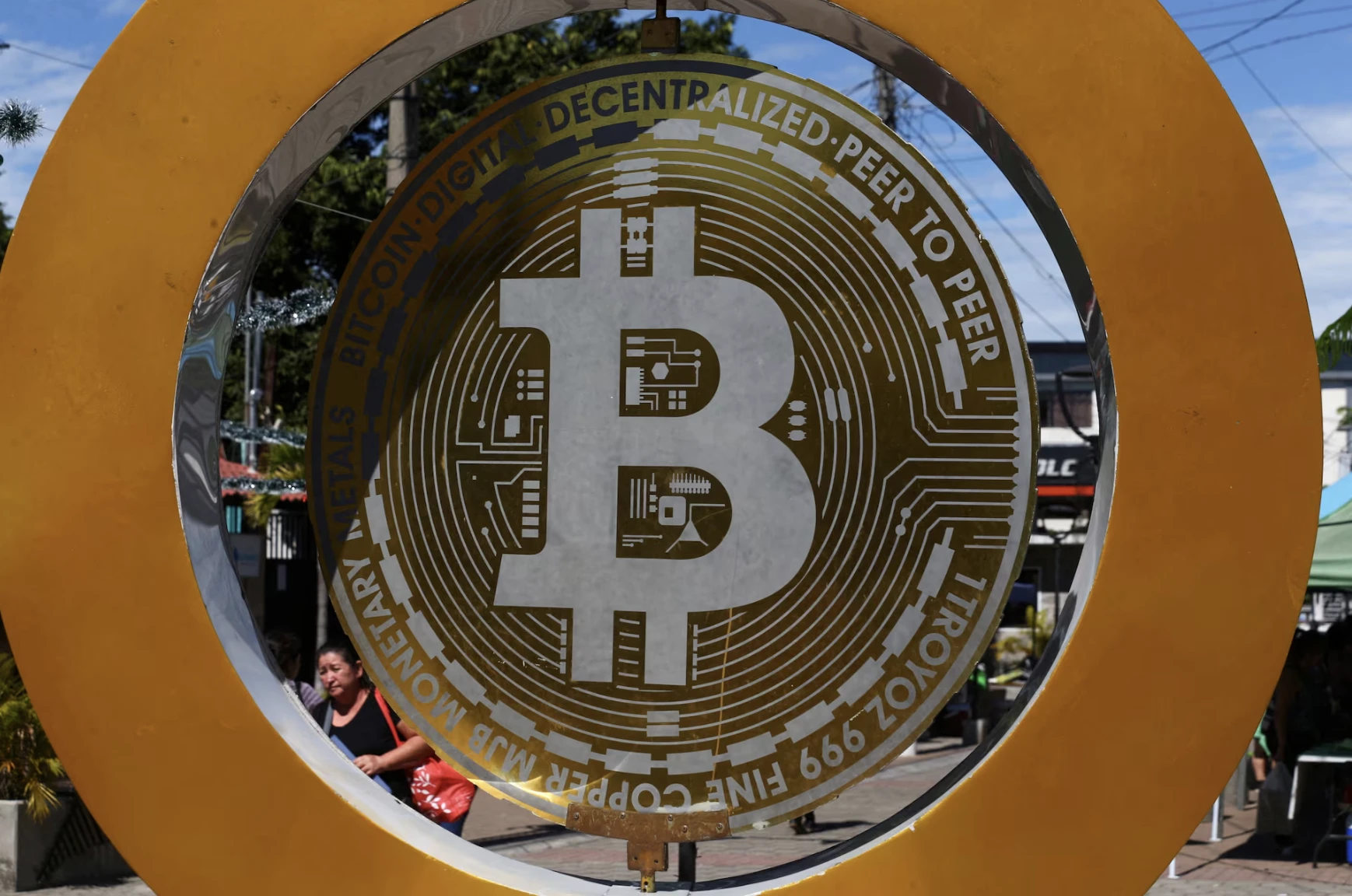
On the morning of February 2, Beijing time, while the Chinese-speaking community was still hoping for "welcoming the God of Wealth on the fifth day of the Lunar New Year," news began to spread rapidly that "El Salvador has canceled Bitcoin's legal tender status," causing the market to plummet.
According to OKX market data, BTC fell below the $100,000 mark, dropping as low as 99,026.5 USDT; ETH fell to a low of 3,068.1 USDT; and SOL dropped to 206.69 USDT at one point.
As the first country to adopt Bitcoin as legal tender, El Salvador's strong support for Bitcoin was once seen as a symbol of cryptocurrency entering the mainstream world. If it truly "loses its legal tender status," it would naturally be a severe blow to the mainstreaming of the entire industry… But is this really the case? Has El Salvador truly changed its attitude towards Bitcoin? We will gradually reveal these answers in the following text.
Reasons for the Sudden Change
In 2021, under the strong support of pro-cryptocurrency President Nayib Bukele, El Salvador became the first country in human history to adopt Bitcoin as legal tender.
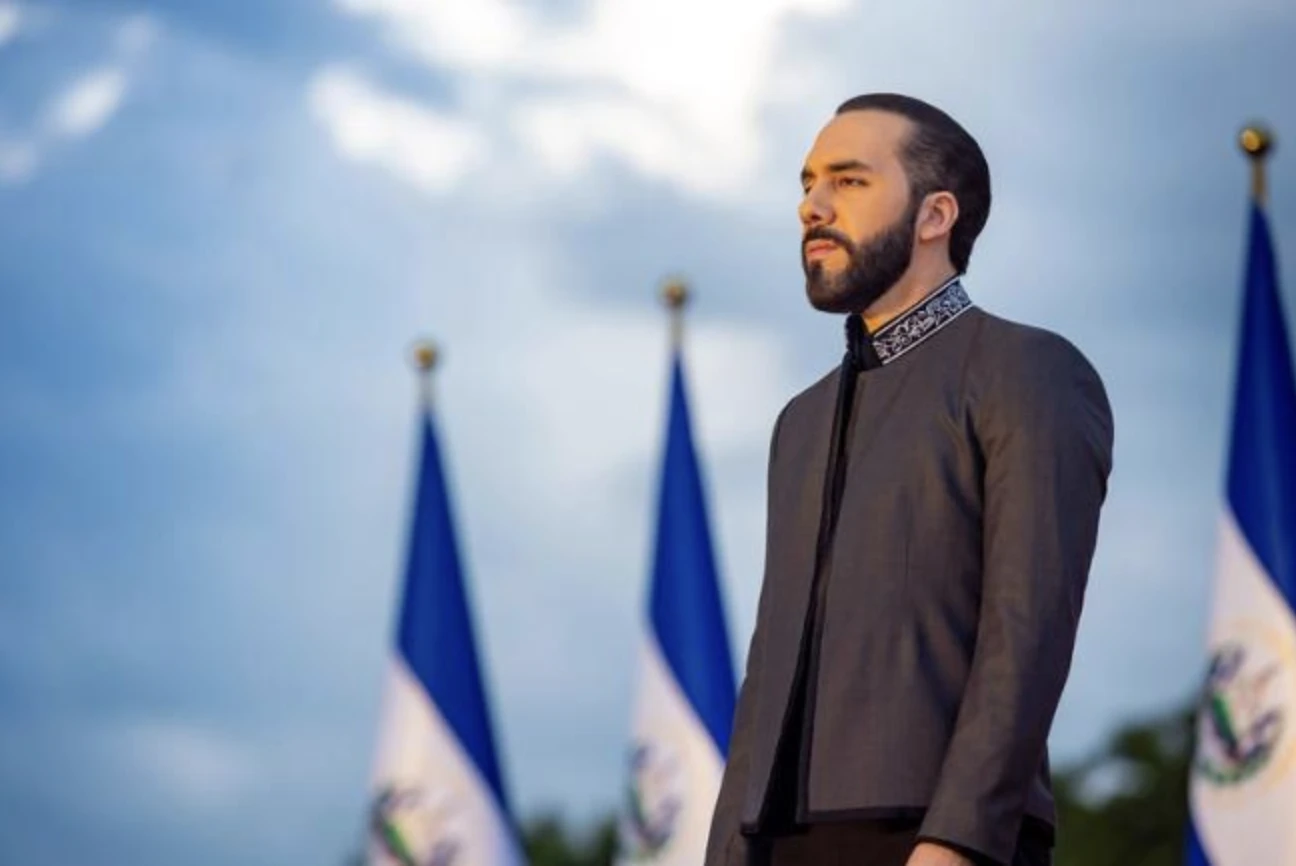
Subsequently, El Salvador required that all goods in the country could be priced in Bitcoin; any economic entity must accept Bitcoin payments; Bitcoin transactions would not be subject to capital gains tax, and taxes could be paid in cryptocurrency.
However, El Salvador's radical strategy faced strong opposition from the International Monetary Fund (IMF).
The IMF, established on December 27, 1945, in Washington, is one of the international organizations created under the "Articles of Agreement of the International Monetary Fund" signed at the Bretton Woods Conference in July 1944. The IMF was established alongside the World Bank and is one of the two major financial institutions in the world, responsible for monitoring currency exchange rates and trade conditions among countries, providing technical and financial assistance, and ensuring the normal operation of the global financial system.
In the IMF's view, El Salvador's adoption of Bitcoin as legal tender is "extremely risky" and could lead to "a series of macroeconomic, financial, and legal issues." Therefore, for more than two years, the IMF has been pressuring El Salvador to mitigate the associated risks.
Returning to the recent timeline, El Salvador urgently needed a $1.4 billion loan from the IMF to advance government reforms. However, the IMF still required El Salvador to amend its Bitcoin-related laws by the end of January at the latest. Thus, on January 29 local time, the El Salvador National Assembly (mainly composed of members from Nayib Bukele's New Ideas Party) quickly approved a bill amendment regarding Bitcoin submitted personally by President Nayib Bukele with a vote of 55 in favor and 2 against — which is the so-called "cancellation of Bitcoin's legal tender status" that is being widely discussed today.
Core Controversy: Timing and Expression
It is important to emphasize and explain two key points.
First is the timing of the bill amendment's approval. As mentioned above, Nayib Bukele's proposal was passed on January 29, just four days ago. In fact, mainstream media such as Reuters had tracked this event at the time but did not attract much market attention.
Looking back at historical reports, it can be found that the IMF's official website had made a related statement as early as December 18, 2024. This statement was jointly released by Luis Cubeddu, Deputy Director of the IMF's Western Hemisphere Department, and Raphael Espinoza, head of the El Salvador delegation, after discussions held by the IMF working team in El Salvador from December 5 to 14, 2024 — in other words, El Salvador and the IMF had reached a consensus to amend the Bitcoin law as early as last December.
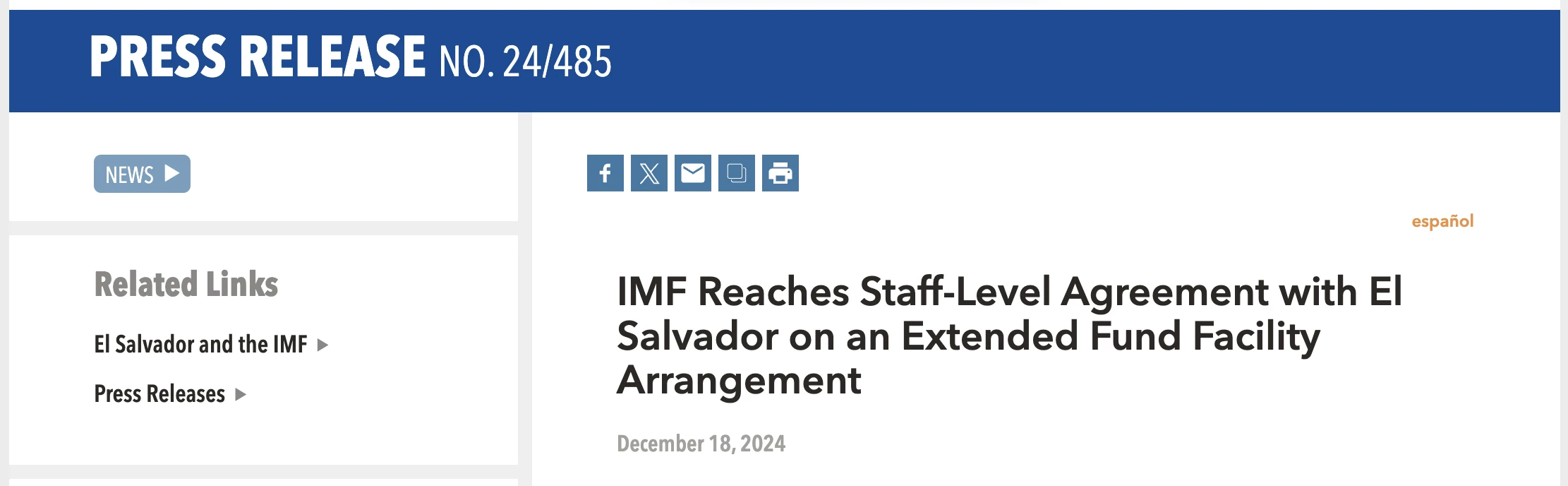
So why has this event sparked renewed interest today, leading to a market crash? The answer lies in the second key point: "expression."
Looking back at the statements made by the IMF and El Salvador in their joint declaration:
According to IMF policy, the potential risks of Bitcoin-related projects will be significantly reduced. Legal reforms will allow the private sector to voluntarily accept Bitcoin. For the public sector, participation in Bitcoin-related economic activities and the trading and purchasing of Bitcoin will be restricted; taxes will only be payable in US dollars; the government's involvement in the crypto electronic wallet (Chivo) will be gradually phased out. Transparency, regulation, and oversight of digital assets will be strengthened to ensure financial stability, consumer and investor protection, and financial integrity.
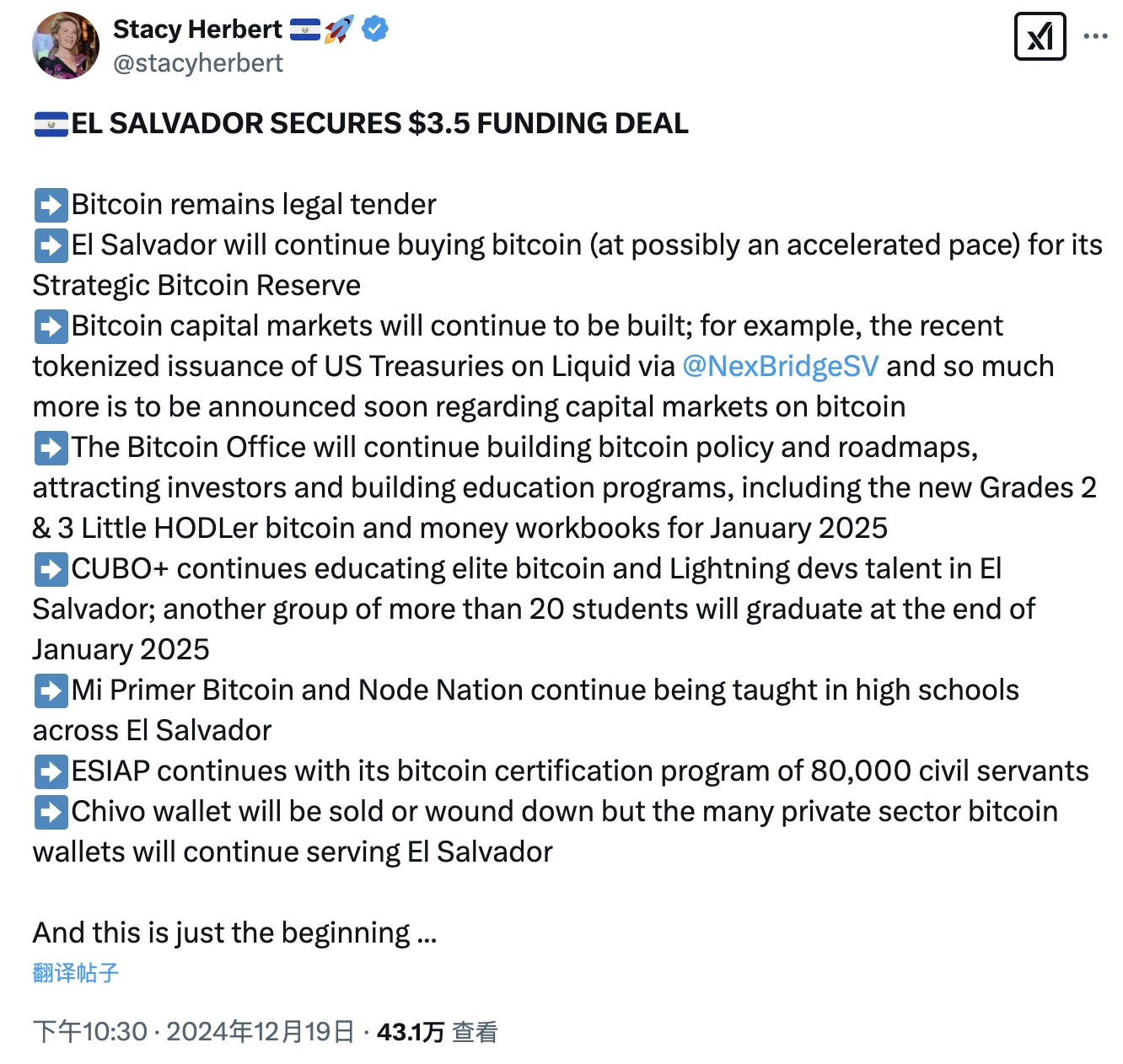
The day after the statement was released, Stacy Herbert, director of El Salvador's National Bitcoin Office (ONBTC), also responded on X:
Bitcoin will still be legal tender.
Reuters' report used the expression:
The El Salvador parliament accelerated Bitcoin reforms after reaching an agreement with the IMF… ruling party member Elisa Rosales stated that this reform is to ensure Bitcoin's "permanent status as legal tender" while promoting its "actual adoption."
It is evident that the IMF and El Salvador's joint statement emphasized the term "reform" without explicitly mentioning "El Salvador will cancel Bitcoin's legal tender status." Similarly, Reuters' report also emphasized "reform," and officials and legislators from El Salvador, such as Stacy Herbert and Elisa Rosales, responded by stating that "Bitcoin will continue to be legal tender."
The reason this event has been sensationalized again today, leading to a market crash, is that some media outlets noticed a report from the Spanish media EL PAIS — the original title of which was "Nayib Bukele changes his mind and cancels Bitcoin's legal tender status in El Salvador" — which accelerated the secondary dissemination of this event.
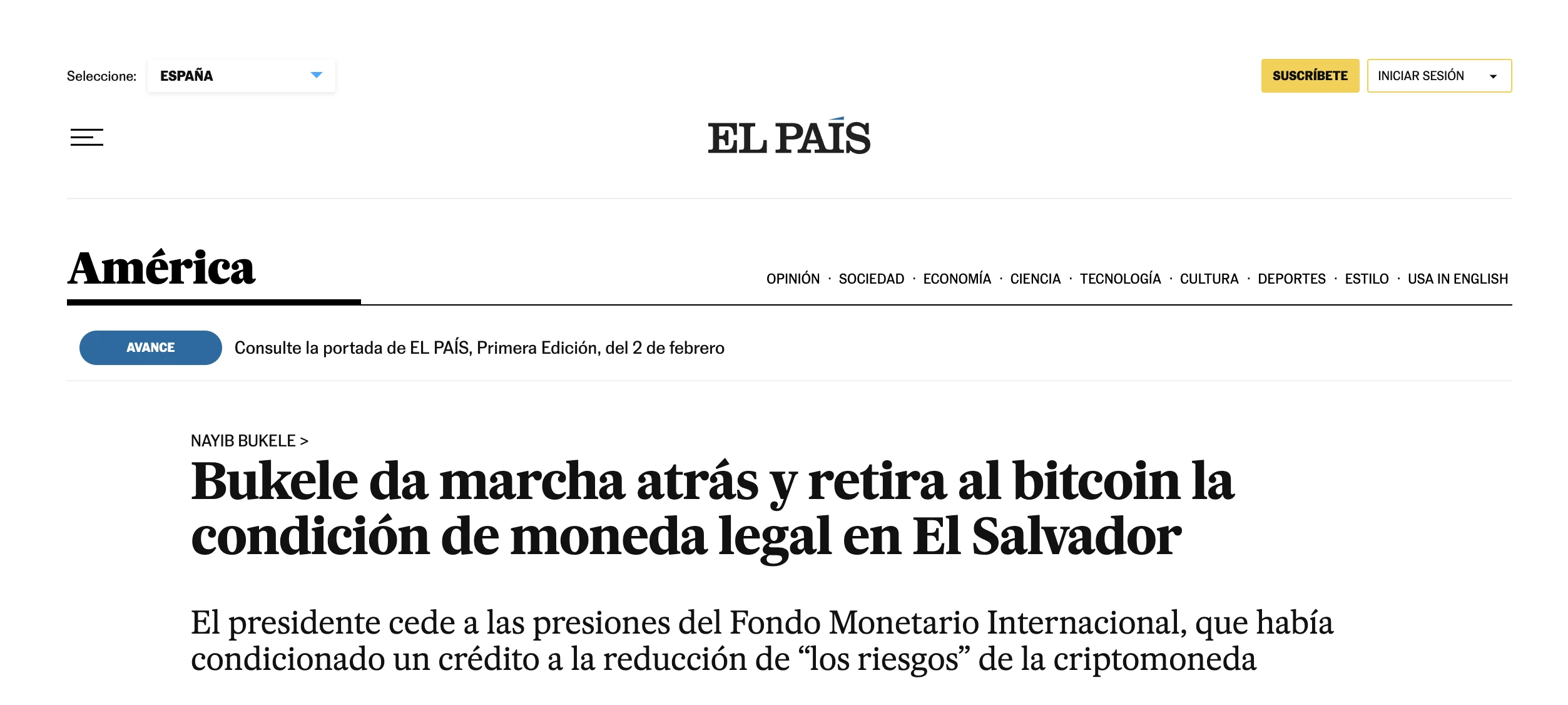
As a news practitioner, it is difficult for me to criticize EL PAIS for this expression. In the different expressions regarding the same event, each party seems to have its reasons:
The IMF's goal is to reduce El Salvador's involvement with Bitcoin, which has been achieved through the amendment of the bill, and how it is expressed is not important;
El Salvador seems to want to downplay this event (after all, it is a matter currently personally promoted by the president), so aside from officials like Stacy Herbert and Elisa Rosales, neither President Nayib Bukele nor major government departments have publicly responded to this;
Reuters' report adhered to the rigorous expression style of traditional media, using only official statements and actual interview content;
EL PAIS may have a "clickbait" tendency, but under the reforms of "no longer mandating acceptance" and "not being a means of tax payment," Bitcoin in El Salvador indeed no longer possesses the traditional attributes of legal tender, which seems to be a fair summary…
Has El Salvador "Changed Its Mind"?
Rather than getting caught up in whether "El Salvador has canceled Bitcoin's legal tender status," another question seems easier to answer — has El Salvador really changed its attitude towards Bitcoin?
We can clearly give a negative answer.
From the process of El Salvador promoting the reform of the Bitcoin law, after enduring pressure for two years, the reason El Salvador chose to compromise under the IMF's final deadline is most likely due to the necessity of the $1.4 billion loan.
Moreover, and more importantly, from the IMF's official statement, it is clear that the final negotiations between the two parties took place in December 2024, and the statement was made on December 18. Just one day later, ONBTC director Stacy Herbert announced that El Salvador would continue to purchase Bitcoin as part of its strategic Bitcoin reserves, and possibly at a faster pace.
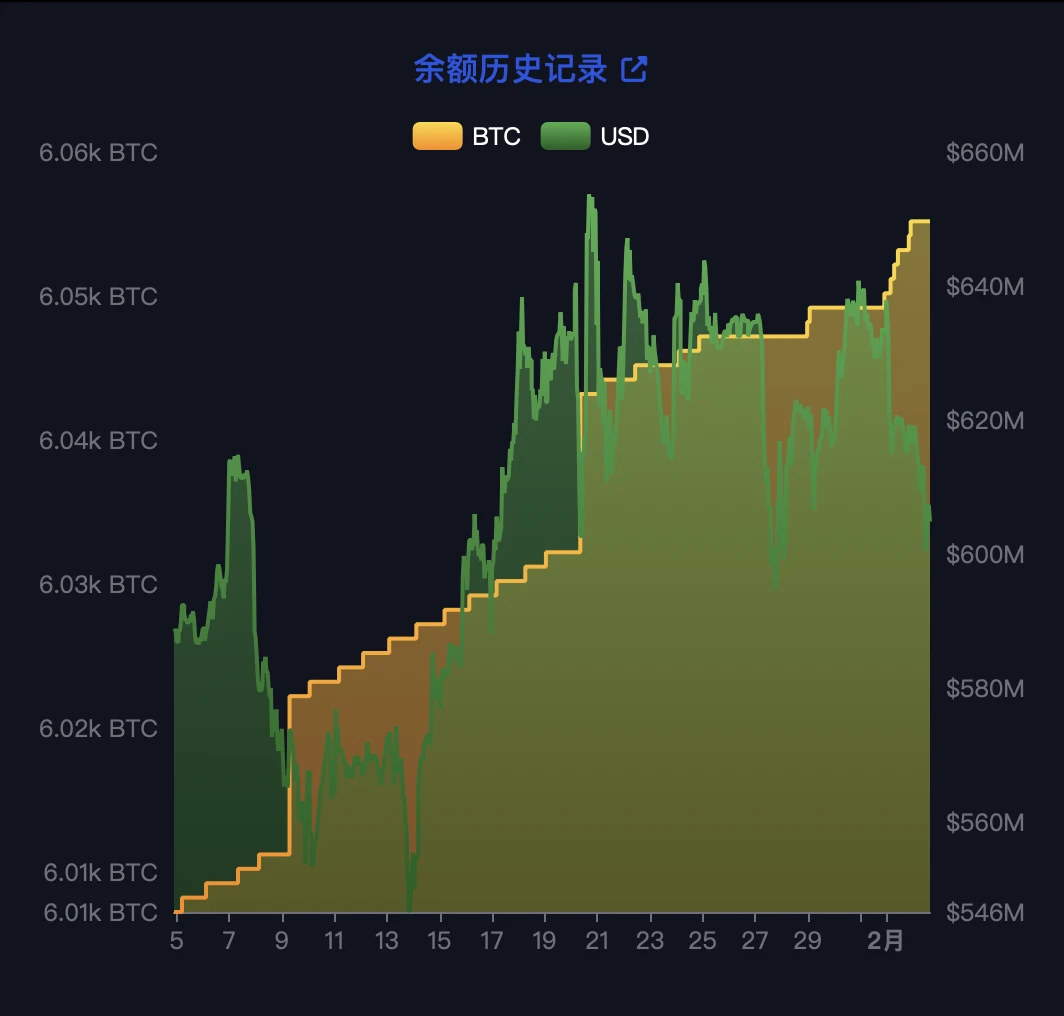
Since then, El Salvador has indeed accelerated its Bitcoin purchasing pace, continuing to make multiple purchases after the bill reform on January 29. Official data from ONBTC shows that El Salvador currently holds a total of 6,055 Bitcoins in its strategic Bitcoin reserves.
John Dennehy, founder of the Bitcoin startup Mi Primer Bitcoin based in El Salvador, stated: “To my knowledge, El Salvador's Bitcoin reserve plan will not be affected by the IMF agreement, at least not initially.”
In summary, we can describe the current situation in a very simple sentence — El Salvador has bowed to the pressure from the IMF but has found a new way forward.
免责声明:本文章仅代表作者个人观点,不代表本平台的立场和观点。本文章仅供信息分享,不构成对任何人的任何投资建议。用户与作者之间的任何争议,与本平台无关。如网页中刊载的文章或图片涉及侵权,请提供相关的权利证明和身份证明发送邮件到support@aicoin.com,本平台相关工作人员将会进行核查。


