Original | Odaily Planet Daily (@OdailyChina)
Author | Nan Zhi (@Assassin_Malvo)
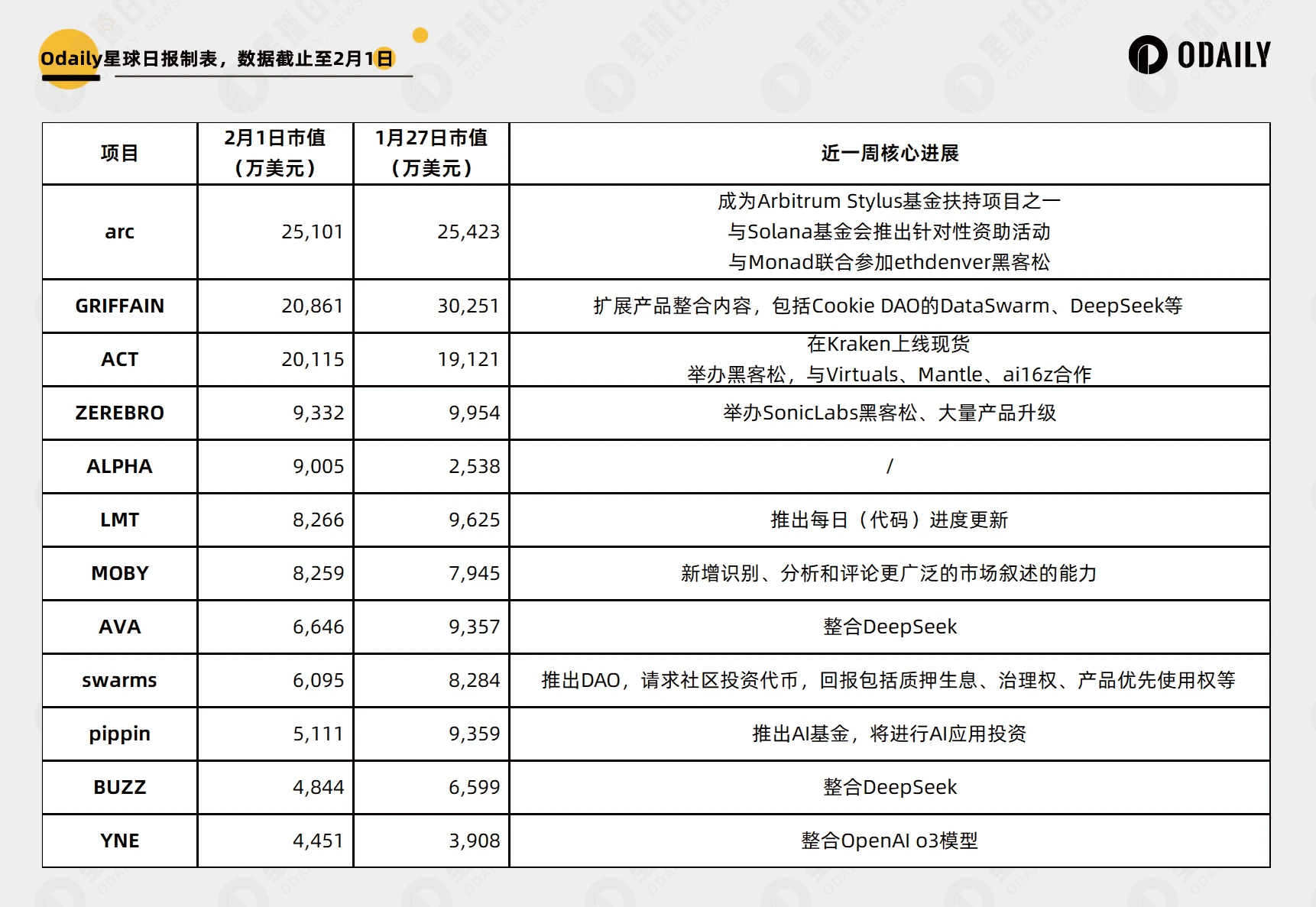
In January, AI tokens experienced the last wave of frenzy since October, with VIRTUAL and ai16z reaching market capitalizations of 5 billion and 2.5 billion, respectively. Leading AI tokens like arc and swarms, which originated from pump projects, were continuously listed on Binance contracts. However, the situation took a sharp turn after Trump released TRUMP, leading to a severe bloodletting in the AI sector and a widespread crash. Although there was a brief rebound during TRUMP's drop to 30 dollars, DeepSeek soon became the final blow that burst the AI bubble. The market cap of arc fell from 600 million to 250 million, while swarms plummeted by 90% from 600 million to 60 million.
During the rise of AI, creating buzz, engaging in activities, or telling a new narrative, such as transforming into an AI Launchpad platform or developing frameworks, could significantly boost token performance. However, on the other hand, these AI projects currently seem "meaningless"; at least we have yet to see any AI product truly and phenomenally transform the operation and processes of the Crypto industry. Therefore, the original routines and stories can no longer reverse the situation.
In this environment of AI retreat, are there any AI projects taking self-rescue actions? How will they stabilize user confidence, control chips, and manage selling behavior?
Odaily Planet Daily will summarize the recent movements of leading AI projects in this article, summarizing the routes attempted by various leading projects. Although it is currently uncertain whether their methods are effective, "what has happened will happen again." A successful solution will be emulated by other projects or even develop into the next core narrative, and we will continue to observe this.
Showcasing Strength, Building Relationships
Arc is one of the relatively stable projects in AI, with its core business being the AI Agent framework Rig based on the Rust language, which does not entirely rely on the Solana network. Recently, arc has engaged with multiple ecosystems, including but not limited to:
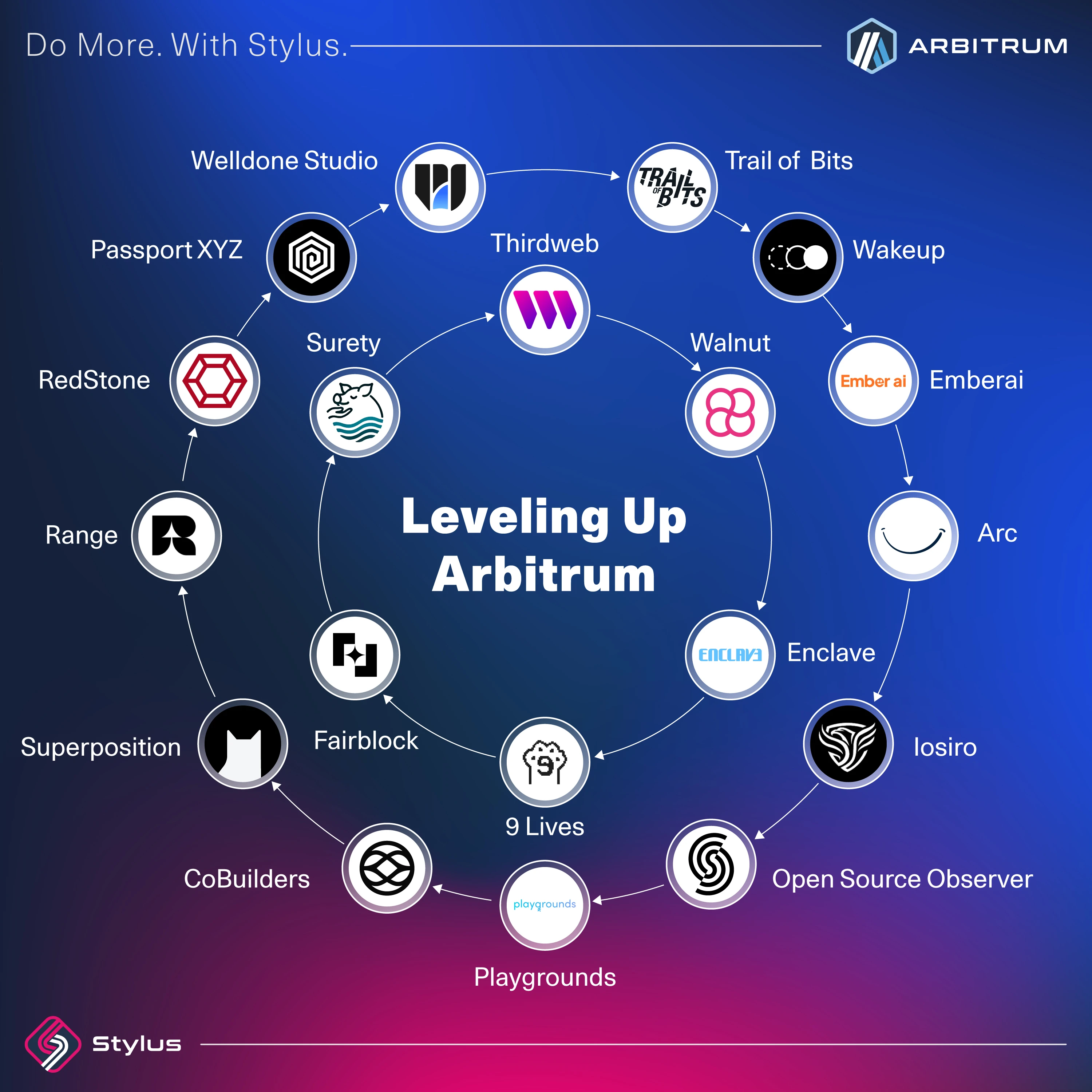
Becoming one of the projects supported by the Arbitrum Stylus fund (with a total funding amount of 5 million ARB)
Collaborating with the Solana Foundation to launch targeted funding activities for developers
Participating in the ethdenver hackathon in collaboration with Monad
Product Updates
Following Trends, Integrating DeepSeek
DeepSeek is undoubtedly the hottest topic recently, with multiple projects announcing their integration with DeepSeek during its rise, including GRIFFAIN, AVA, BUZZ, etc., but this has not significantly impacted their own business development.
High-Frequency Updates, High-Frequency Exposure
Previously on the X platform, we often saw "talkative" AI Agents producing various topics and styles of content, but the development accounts behind them did not update frequently. Perhaps sensing the arrival of the AI winter, some projects have further increased the frequency of product updates on their main accounts, including LMT, ZEREBRO, etc.
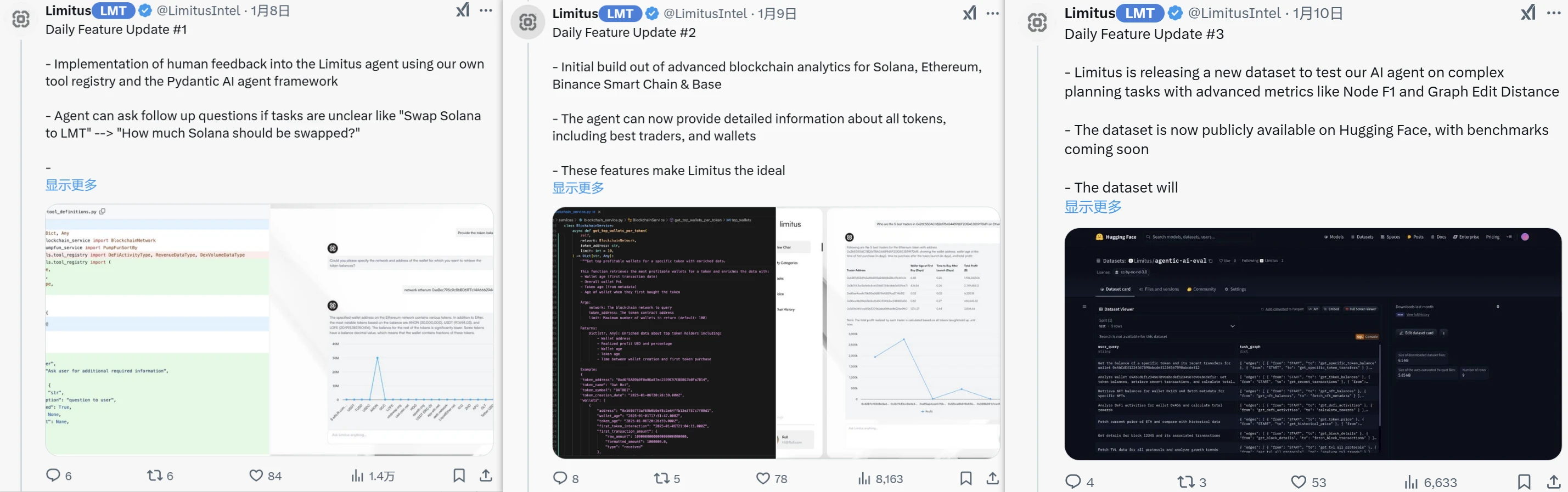
Especially LMT, which has been releasing product update details daily on the X platform since January 8, highlighting the content that LMT builds, fixes, or improves each day, with very detailed granularity.
For such projects, product development is the main line, and due to their development background, capabilities, and products, they have become one of the few projects to break through a market cap of over 100 million during the AI boom. After the revelry and bubble dissipate, the landing of the next generation of products will become the basis for future growth (assuming there is a second wave of AI boom), so having products that can iterate and continuously share may be the next breakthrough path.
Swarms: Doing Something Different
Previously, swarms was one of the first projects to develop frameworks after ai16z and gained significant exposure due to multiple criticisms from ai16z founder Shaw, excelling in "storytelling," with its market cap surging to 600 million in a short period.
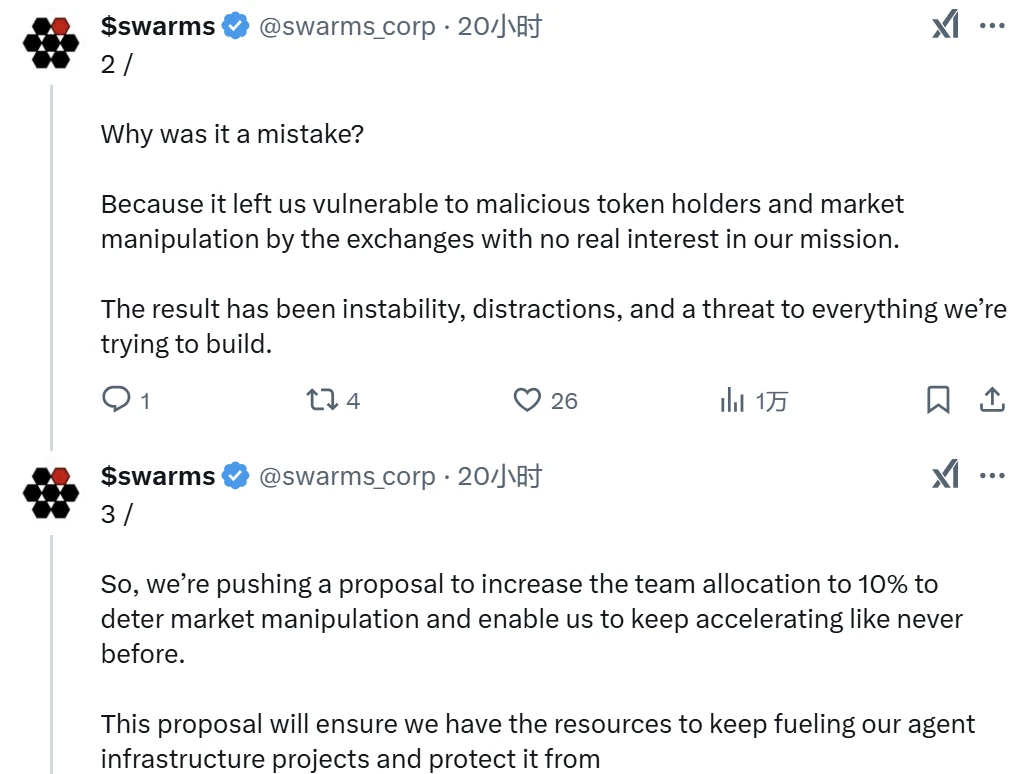
On February 1, swarms made another groundbreaking move—"requesting token holders to invest/stake tokens in the DAO." Swarms announced on the X platform that the team only holds 2% of the total tokens, which makes the tokens easily manipulated by "malicious token holders and exchanges that are not genuinely interested in our mission." Therefore, swarms proposed to increase the team's token holding to 10%, with the specific form being the establishment of a DAO, where token holders would invest tokens into the DAO and then receive staking rewards, governance rights, product priority experience rights, and other benefits.
However, this proposal has many unclear aspects, such as whether token holders still own their tokens after investing, and if they retain ownership, how can it be called a "team share"? If they do not retain ownership, why is the incentive called "staking rewards"? Moreover, the team does not hold many tokens, so how they can provide staking returns is also unclear.
Summary: The Path to Breakthrough May Lie in the Product Itself
In summary, we can see that leading projects are no longer keen on "creating big news," but are turning to further demonstrate their ability to develop products and commit to long-term product development. The main theme of 2025 will still be AI; after the bubble clears, growth may no longer be based on "narratives," but rather on "products."
免责声明:本文章仅代表作者个人观点,不代表本平台的立场和观点。本文章仅供信息分享,不构成对任何人的任何投资建议。用户与作者之间的任何争议,与本平台无关。如网页中刊载的文章或图片涉及侵权,请提供相关的权利证明和身份证明发送邮件到support@aicoin.com,本平台相关工作人员将会进行核查。


