Cryptocurrency and blockchain technology are profoundly transforming various industries worldwide, bringing not only more efficient operational models but also simplifying financial transactions and pushing global connectivity to new heights. As the most representative cryptocurrency, Bitcoin has become the focal point of this digital revolution, sparking widespread discussions about its potential to disrupt traditional finance and investment methods. While companies like Tesla and MicroStrategy have boldly embraced Bitcoin, many others choose not to directly bet on cryptocurrencies. Instead, they leverage blockchain technology to empower their businesses through flexible and innovative approaches. This article will analyze how these companies cleverly integrate blockchain technology and explore differing views from some critics regarding the legitimacy and long-term impact of digital assets.
Table of Contents
Companies Supporting Cryptocurrency
Microsoft: An Active Explorer of Blockchain and a Rational Observer of Bitcoin
MicroStrategy: An Industry Benchmark for Enterprise-Level Bitcoin Applications
Amazon: A Pioneer of Blockchain Technology and a Potential Player in the Crypto Future
PayPal: A Fintech Giant Reshaping Payment Methods with Cryptocurrency
Crypto Critics: Who is Questioning This Revolution?
Jamie Dimon: A Pragmatist Distinguishing Between Bitcoin and Blockchain
Charlie Munger: A Business Magnate Criticizing Cryptocurrency from a Moral Perspective
Federal Reserve Chairman Powell: Bitcoin as "Digital Gold"
A New Era for Bitcoin: Strategic Reserves and Global Competition

Image Source: The Cryptonomist
Companies Supporting Cryptocurrency
Blockchain and cryptocurrency technologies are evolving rapidly, with more and more companies integrating them into their business practices to stimulate innovation, enhance efficiency, and promote global connectivity. From the application of digital payments to blockchain-optimized operations, these companies are actively defining the future direction of decentralized technology.
Microsoft: An Active Explorer of Blockchain and a Rational Observer of Bitcoin
Microsoft has been at the forefront of blockchain innovation, leveraging its Azure cloud platform to provide blockchain-based solutions for businesses. As early as 2014, this tech giant was one of the first to support Bitcoin payments, applying it to services like Xbox Live and Skype, making it one of the earliest adopters of cryptocurrency. However, Microsoft recently rejected a proposal to include Bitcoin on its balance sheet, demonstrating a cautious attitude towards Bitcoin's high volatility.
This choice highlights Microsoft's commitment to financial stability and predictable investments in a rapidly changing economic environment. Rather than making a large bet on Bitcoin, Microsoft focuses more on the practical applications of blockchain technology, such as improving supply chain transparency and ensuring data security. This pragmatic innovation path showcases Microsoft's ability to effectively balance risk while driving technological advancement.
With its in-depth exploration of blockchain and control over financial stability, Microsoft continues to maintain a leading position in the tech field. Its cautious yet forward-looking strategy not only solidifies its influence in the crypto ecosystem but also provides a model for how companies can balance innovation and risk.
Image Source: Brave New Coin
Tesla: An Innovative Pioneer in Cryptocurrency Integration
Tesla's foray into the cryptocurrency space has opened a new chapter for companies adopting digital assets. The company garnered widespread attention by supporting Bitcoin payments for vehicle purchases and investing part of its funds in Bitcoin. However, due to environmental concerns related to Bitcoin mining, Tesla paused these payments but retained its cryptocurrency assets, reflecting confidence in Bitcoin's long-term potential.
At the same time, Tesla is actively exploring other digital currencies like Dogecoin, demonstrating a continued interest in crypto technology innovation. CEO Elon Musk's public support for cryptocurrencies has further positioned Tesla as a leader in the integration of traditional business and digital finance. This strategy of "cautious experimentation and selective adoption" sets it apart in the crypto industry.
Through its ongoing adjustments to cryptocurrency strategies, Tesla provides valuable insights into how companies can balance innovation and responsibility. Whether addressing environmental challenges or exploring the potential of digital currencies, Tesla's practices vividly illustrate the complexities and foresight involved in advancing cryptocurrency applications.
Image Source: TipRanks
MicroStrategy: An Industry Benchmark for Enterprise-Level Bitcoin Applications
Under the leadership of CEO Michael Saylor, MicroStrategy has become a representative company in the business world supporting Bitcoin. The company currently holds over 402,000 Bitcoins, firmly securing its position as the largest corporate holder of Bitcoin globally. Saylor views Bitcoin as a powerful tool against inflation and an excellent store of value, incorporating it into MicroStrategy's core financial strategy.
The company has developed an ambitious "21/21 Plan," aiming to raise $4.2 billion to further increase its Bitcoin holdings, fully demonstrating its strong belief in this asset. This aggressive strategy not only solidifies MicroStrategy's position as a Bitcoin supporter but also encourages more companies to explore the application of cryptocurrencies. Despite the controversy surrounding its highly concentrated investment strategy, MicroStrategy's market performance proves the viability of its bold decisions.
MicroStrategy's practices showcase the opportunities and risks of Bitcoin as a corporate asset, and its pioneering initiatives have made it one of the key drivers of cryptocurrency's important role in global finance.

Image Source: The Chain Bulletin
Apple: A Tech Giant Cautiously Entering the Crypto Space
Apple is entering the cryptocurrency market in a cautious and meticulous manner, focusing on providing user-friendly solutions rather than directly engaging in digital asset investments. Through a partnership with Coinbase Onramp, Apple Pay allows users to easily purchase cryptocurrencies, enhancing usability while effectively reducing direct risks associated with digital assets.
In addition to payment functionalities, Apple is also exploring the potential applications of blockchain technology in intellectual property protection and application ecosystem optimization. Although CEO Tim Cook has publicly expressed personal interest in cryptocurrencies, Apple's overall strategy remains focused on user experience and security. This robust attitude ensures consistency in innovation direction while effectively mitigating potential risks.
By focusing on consumer-friendly solutions, Apple demonstrates how companies can rationally and sustainably enter the crypto space. This step-by-step strategy not only highlights Apple's attention to digital assets but also further solidifies its brand image in terms of reliability and security.
Image Source: ETF Trends
Amazon: A Pioneer of Blockchain Technology and a Potential Player in the Crypto Future
Although Amazon currently does not accept Bitcoin payments, its investments in blockchain technology demonstrate a profound commitment to enhancing business efficiency. From supply chain transparency to logistics management optimization, Amazon's blockchain projects aim to strengthen operational capabilities while enhancing user trust.
In recent years, rumors about Amazon potentially entering the cryptocurrency space have been heating up. Whether it's the reported $250 million Bitcoin purchase or the hiring plans for blockchain experts, these developments have garnered widespread attention. Additionally, Amazon holds several blockchain-related domain names (such as AmazonEthereum.org), further showcasing its potential and readiness to integrate digital asset ecosystems.
This series of strategic actions clearly indicates Amazon's layout for a blockchain-driven future. By focusing on blockchain technology innovation while cautiously exploring cryptocurrencies, Amazon is steadily consolidating its important position in the digital economy.

Image Source: BanklessTimes
Visa: An Industry Leader Promoting Cryptocurrency Adoption
Visa has always been at the forefront of promoting cryptocurrency in everyday life. Through partnerships with cryptocurrency exchanges and fintech companies, Visa has launched debit cards that support cryptocurrencies, allowing users to conveniently use digital assets for payments, opening a new chapter for the mainstreaming of cryptocurrencies.
Moreover, Visa is actively exploring the application of blockchain technology in transaction security and transparency, providing users with a more efficient and secure payment experience. This innovative initiative not only makes cryptocurrencies more acceptable to consumers and merchants but also expands their practical application scenarios.
Visa's actions fully reflect confidence in the potential of cryptocurrencies to transform the financial industry. By building a bridge between traditional currencies and digital currencies, Visa has successfully solidified its leadership position in the rapidly evolving financial ecosystem.

Image Source: CryptoWallet.com
PayPal: A Fintech Giant Reshaping Payment Methods with Cryptocurrency
PayPal is redefining how people interact with cryptocurrencies, allowing users to buy, sell, or store digital assets directly through its platform, while its partnership with MetaMask further simplifies the transaction process, making the conversion between fiat and digital assets more convenient.
By supporting mainstream cryptocurrencies like Bitcoin and Ethereum, PayPal has successfully built a bridge between traditional commerce and digital finance. Additionally, its merchant services support more businesses in accepting cryptocurrency payments, further expanding the application range of digital assets.
PayPal's forward-looking layout has solidified its leading position in the fintech sector. By continuously expanding its crypto services, PayPal is becoming an important driving force in the future development of digital payments.
Image Source: SmartData Collective
Crypto Critics: Who is Questioning This Revolution?
While cryptocurrencies and blockchain technology are seen as transformative innovations, they have also drawn skepticism from many authoritative figures in the financial sector. Critics primarily focus on the high volatility of digital assets, ethical controversies, and uncertain regulatory environments, reminding the market to maintain caution while reiterating the importance of traditional investment principles.
Warren Buffett: The Legendary Investor's Firm Opposition
Known as the "Oracle of Omaha," Warren Buffett has been a staunch opponent of Bitcoin and cryptocurrencies. He believes these digital assets lack intrinsic value and are merely speculative tools, completely contrary to his investment philosophy that emphasizes tangible assets and sound fundamentals. He has even likened Bitcoin to "rat poison squared," criticizing its inability to generate actual returns and its distance from productive enterprises.
Despite this, Buffett's Berkshire Hathaway has made a significant investment in Nubank, a fintech company in Brazil that offers crypto services. This move reflects Buffett's pragmatic attitude: although he personally does not endorse Bitcoin, he recognizes that digital assets are profoundly impacting the global financial ecosystem. This nuanced position showcases his rational insight into market trends amid skepticism.
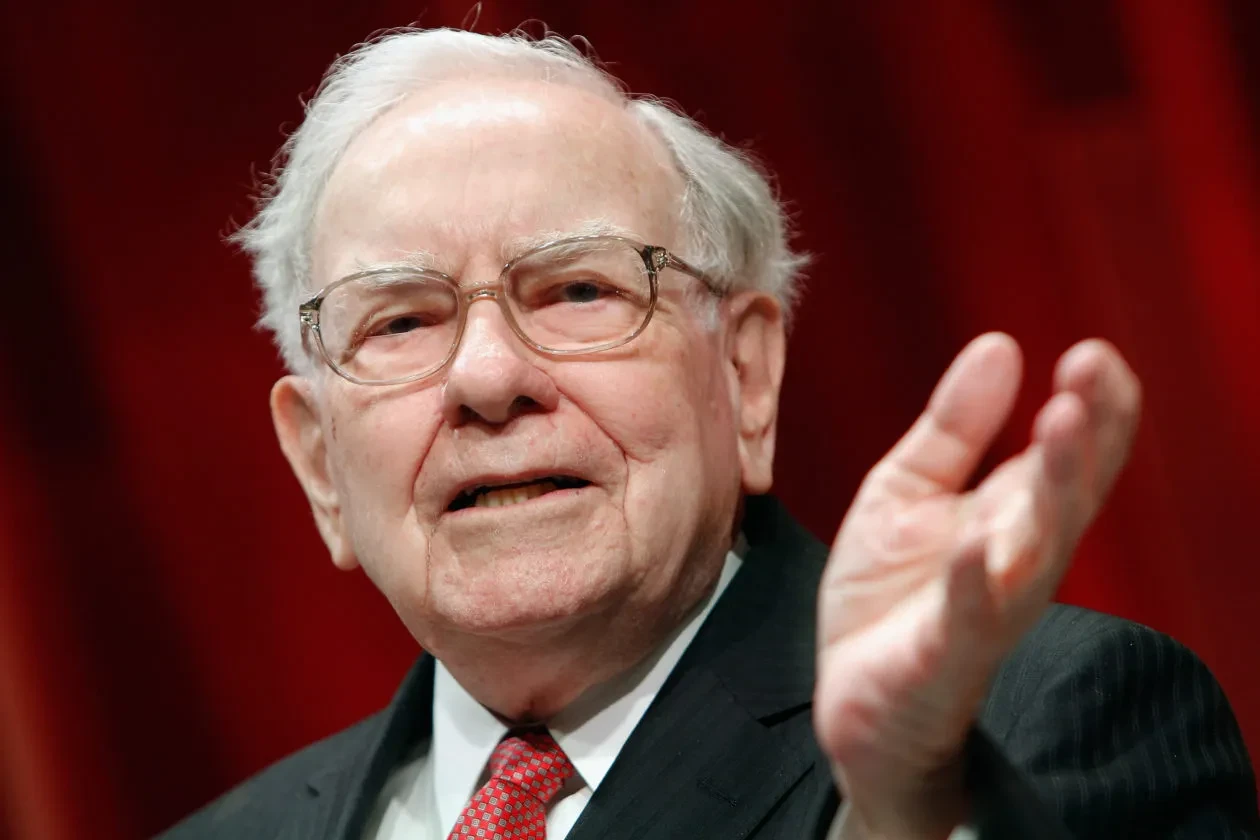
Image Source: Forkast News
Jamie Dimon: A Pragmatist Distinguishing Between Bitcoin and Blockchain
JPMorgan CEO Jamie Dimon has been outspoken in his criticism of Bitcoin, even calling it a "fraud" and repeatedly warning investors to be wary of its speculative risks. However, his denial of cryptocurrencies has not affected his high regard for blockchain technology. Under Dimon's leadership, JPMorgan has launched blockchain projects like JPM Coin, aiming to achieve instant efficiency in cross-border payments through technological innovation.
Dimon's stance reflects a pragmatic and rational attitude: fully leveraging the efficiency advantages of blockchain technology while avoiding the high volatility and regulatory risks of Bitcoin. This cautious yet pragmatic strategy not only highlights the application potential of blockchain in traditional finance but also underscores the skepticism and challenges that cryptocurrencies still face.
Charlie Munger: A Business Magnate Criticizing Cryptocurrency from a Moral Perspective
The late vice chairman of Berkshire Hathaway, Charlie Munger, has been particularly harsh in his attitude towards Bitcoin. He has publicly condemned Bitcoin as "immoral," even describing cryptocurrency trading as "trading in excrement." Munger's criticism targets not only the high volatility of Bitcoin but also its ethical concerns, arguing that cryptocurrencies facilitate illegal activities such as money laundering, drug trafficking, and extortion.
He has praised China's comprehensive ban on cryptocurrencies, believing it to be wiser than the United States' lenient approach to crypto regulation. Munger has used the phrase "baby brains in a bubble" to describe Bitcoin trading, further expressing his aversion to cryptocurrencies. In his view, cryptocurrencies have not brought any real value to society; instead, they have fueled blind speculation and irrational behavior, completely contradicting his consistent value investment philosophy.
Federal Reserve Chairman Powell: Bitcoin as "Digital Gold"
Federal Reserve Chairman Jerome Powell holds a neutral and rational view on Bitcoin, preferring to compare it to gold rather than the dollar. Powell believes that Bitcoin is a "speculative asset" that lacks the stability required to function as a currency, making it more suitable as an investment tool rather than a medium of exchange.
Regarding concerns that Bitcoin may threaten the authority of the Federal Reserve or the status of the dollar, Powell explicitly disagrees. He believes that Bitcoin plays a complementary role in the financial system rather than being a competitor. Although its role as an anti-inflation tool has garnered attention, Powell points out that Bitcoin's high volatility limits its broader application value.
Powell also emphasizes the need to ensure that the development of cryptocurrencies does not pose systemic risks to the financial system. He advocates for a prudent and open approach to integrating digital assets into traditional finance by maintaining a robust banking system and promoting innovation. This balanced stance reflects his pragmatic attitude between regulation and encouraging technological development.
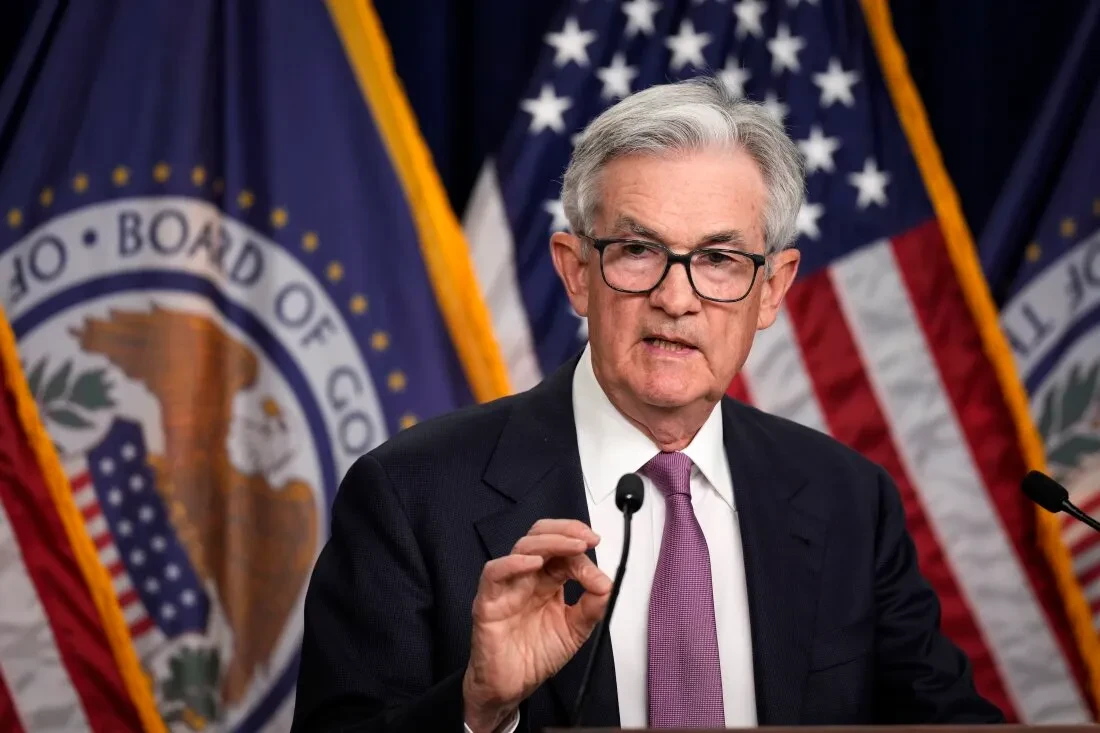
Image Source: NPR
A New Era for Bitcoin: Strategic Reserves and Global Competition
Donald Trump has confirmed plans to establish a U.S. Bitcoin strategic reserve, marking a significant shift in countries' attitudes toward cryptocurrencies. This plan draws on the model of traditional oil reserves, aiming not only to position the U.S. as a global leader in the digital economy but also to address a national debt of up to $35 trillion. The "BITCOIN Act" proposed by Senator Cynthia Lummis further deepens this strategic blueprint, suggesting the reserve of 1 million Bitcoins over the next five years to reinforce Bitcoin's importance as a national strategic asset.
Meanwhile, Russia is also accelerating its own Bitcoin reserve plan. President Putin has stated that Bitcoin could serve as an alternative to foreign exchange reserves in response to Western sanctions, intensifying the global competition for dominance in digital assets. Analysts predict that due to fixed supply and continuously growing demand, Bitcoin's price could soar to $800,000. As Bitcoin gradually becomes an important tool in the global economic power struggle, this international competition surrounding digital assets is fully unfolding, injecting more uncertainty and possibilities into the future economic landscape.
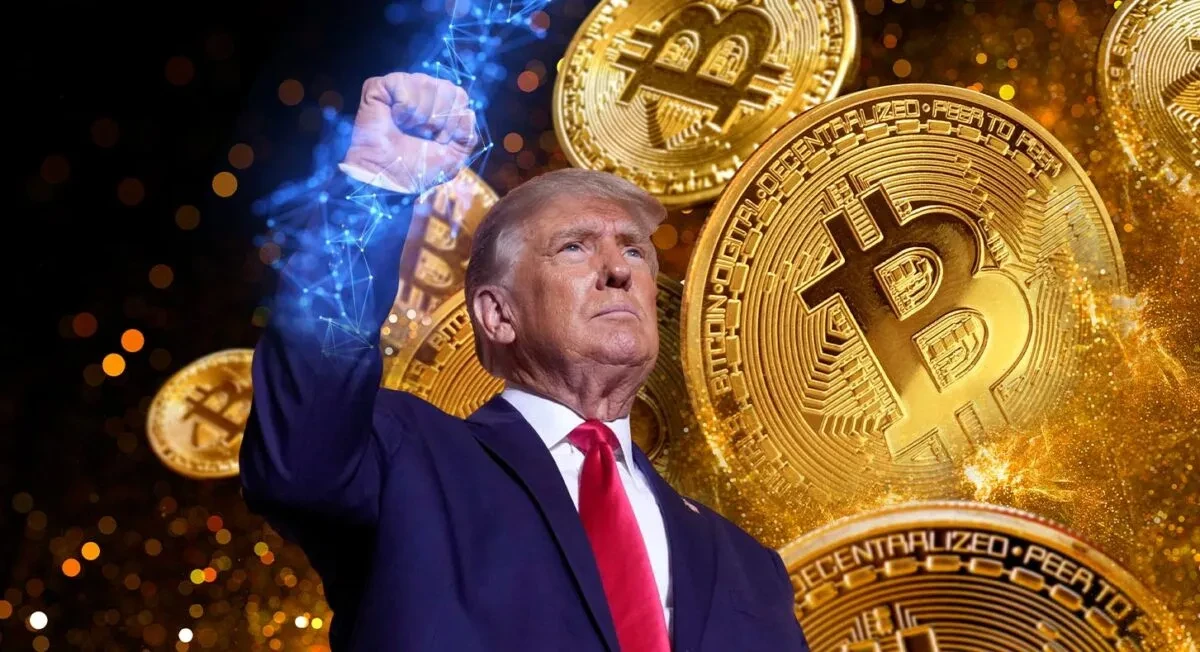
Image Source: Peoples Gazette
Conclusion
Cryptocurrencies and blockchain technology have moved from marginal innovations to the mainstream, becoming significant forces shaping the future financial system and global strategy. Companies like Tesla, MicroStrategy, and PayPal continue to lead the transformation in this field, while Microsoft, Apple, and Amazon explore the potential applications of blockchain with a more cautious approach. At the same time, the views of critics like Warren Buffett and Jamie Dimon remind us that the rise of digital assets comes with undeniable risks.
As Trump advances the Bitcoin strategic reserve plan and Russia actively positions itself in the digital asset space, Bitcoin's influence has transcended individual investment, becoming an important part of national strategy and geopolitics. In the process of digital assets having a profound impact on the global economic landscape, governments and businesses need to find a balance between bold innovation and risk control. Although the future of cryptocurrencies remains unclear, their potential to reshape the global financial system is undoubtedly significant.
About XT.COM
Founded in 2018, XT.COM currently has over 7.8 million registered users, with more than 1 million monthly active users and over 40 million user traffic within its ecosystem. We are a comprehensive trading platform supporting over 800 quality cryptocurrencies and 1,000 trading pairs. XT.COM cryptocurrency trading platform supports a rich variety of trading options, including spot trading, margin trading, and futures trading. XT.COM also has a secure and reliable NFT trading platform. We are committed to providing users with the safest, most efficient, and most professional digital asset investment services.
免责声明:本文章仅代表作者个人观点,不代表本平台的立场和观点。本文章仅供信息分享,不构成对任何人的任何投资建议。用户与作者之间的任何争议,与本平台无关。如网页中刊载的文章或图片涉及侵权,请提供相关的权利证明和身份证明发送邮件到support@aicoin.com,本平台相关工作人员将会进行核查。