Original Title: "Why Solana Needs Network Extensions Instead of Layer 2 Solutions?"
Original Authors: Dr. Yugart Song, Stepan Soin, Qinwen Wang, Lollipop Builders
1. Background
The rapid development of blockchain technology has made Ethereum (EVM) and Solana (SVM) two dominant design philosophies, each leading in its respective field. Historically, Ethereum has dominated the total value locked (TVL) in EVM chains due to its unique philosophy and approach, while Solana has taken the lead in non-EVM chains. However, as activity increases and new chains are developed, Ethereum has begun to cede its dominance to faster EVM chains and has turned to Layer 2 (L2) scaling solutions. In contrast, Solana's monolithic architecture has avoided this fragmentation through unique technological innovations and significant performance reserves, albeit at the cost of requiring higher bandwidth and speed.
Meanwhile, the concept of Rollups has provided a significant opportunity for dApps: to create customizable operating environments. However, this has led to an interesting phenomenon: L2s have fragmented Ethereum's liquidity and user base, while L2/L3 application chains have further exacerbated this division. Solana adheres to the idea of a monolithic ecosystem, but the benefits of providing customizable environments for different use cases cannot be overlooked.
2. The Catalyst for the Birth of Network Extensions: Layer 2 - The Path to Fragmentation
From Plasma in 2017 to Optimistic and zk-rollups, Ethereum's scaling journey clearly demonstrates the necessity of addressing scalability issues. However, it is worth noting that part of Ethereum's L2 TVL is supported by bridged ETH, which remains on L1.
However, these scaling solutions also expose a significant risk—the fragmentation effect of liquidity and users, known in the blockchain space as the "vampire effect." The substantial drop in Ethereum's fee revenue after the implementation of EIP-4844 is a testament to this. Analysts, including Justin Bons from Cyber Capital, have pointed out that Ethereum's fee growth is being captured by L2.
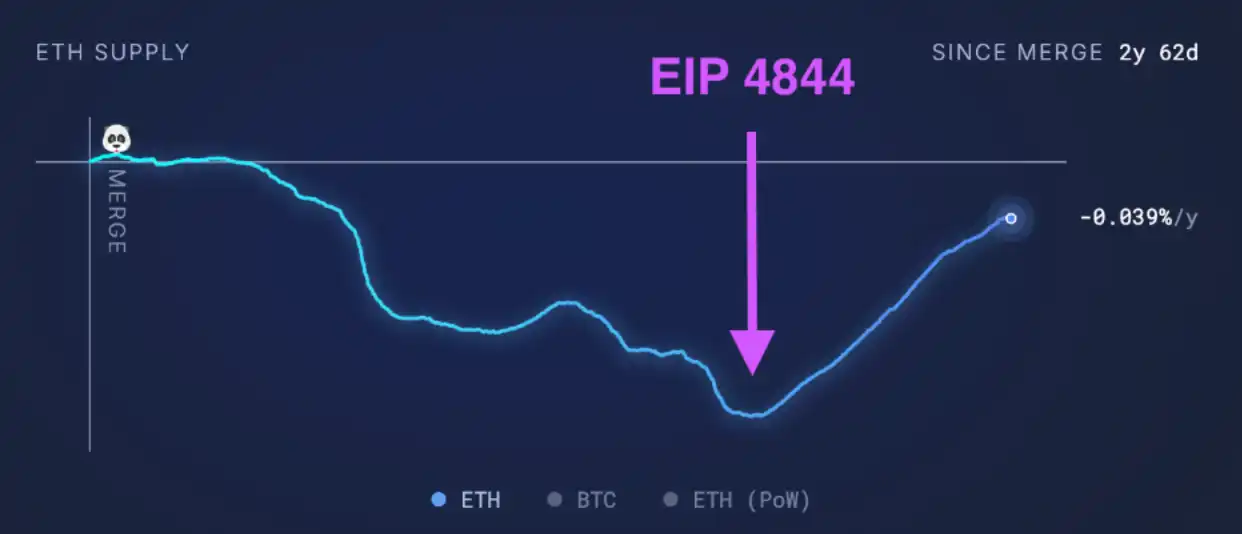
Figure 1: ETH Supply Dynamics Source: ultrasound.money
This indicates that when users leave L1, the fees remaining on L1 significantly decrease, leading to a lower burn rate. This should have been apparent from the beginning. Now, usage and revenue are being captured by L2s that aim to earn rent! This is precisely what makes them greedy, as only a small portion of the fees returns to L1, while the rest is retained by commercial entities. At the same time, these entities have also lobbied to maintain limited block space on ETH L1. A chart released by Unchained Pod even shows that for every $1 fee paid on L1, Optimism (OP) can earn $300 in revenue:
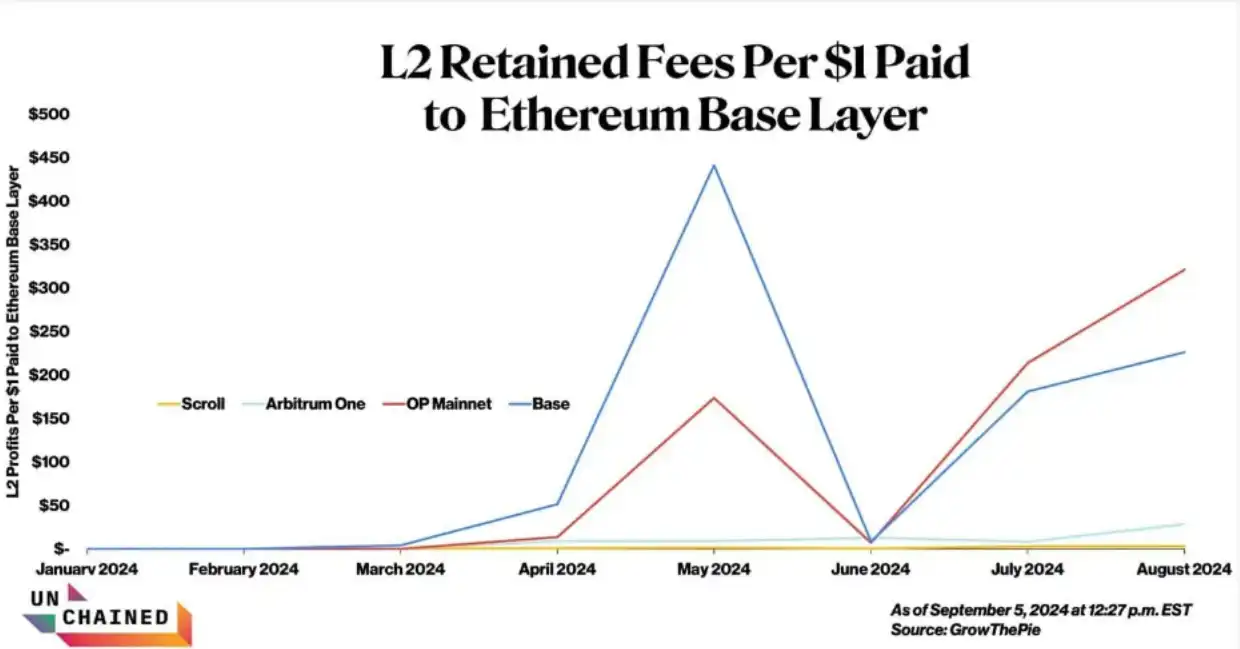
Figure 2: Fees Earned by L2 for Every $1 Paid in L1 Fees Source: GrowThePie
Therefore, it is clear that L2 exhibits a "vampire effect" on L1's transaction activity and economic appeal. The shift towards application chains (Appchains) independent of Ethereum further exacerbates this situation.
This viewpoint is supported by Anatoly Yakovenko, who posted the following on Twitter: "If the Solana ecosystem relies on the 'arb/op' generic L2 stack to support all user transactions at the expense of L1 execution optimization, it will create a parasitic effect on Solana's mainnet. This is not hard to understand. When L2s prioritize transactions from the base layer rather than new ones, they become parasitic. Since the mainnet will continue to maximize its throughput, 'L2' or any other SVM will struggle to compete with it on price. User fees should not be superior to the mainnet."
Kyle Samani, managing partner at Multicoin Capital, expressed a similar sentiment, stating: "Anything that could happen on L1 but happens outside of L1 is, by definition, parasitic. This is why I am not interested in EVM/SVM rollups. They are essentially no different from L1. I am very skeptical that these copy-paste L2s will succeed on Solana because L1 is already good enough."
In this context, Solana's core approach to protecting the network's characteristics by maintaining a monolithic architecture and unified ecosystem philosophy appears very appealing.
But how can it avoid a situation similar to Ethereum's L2? Let's delve deeper.
3. The Rapid Rise of Solana and Its Core Advantages
Compared to traditional blockchain systems designed around the Ethereum Virtual Machine (EVM), the Solana blockchain showcases a new architecture.
Solana employs Proof of Stake (PoS) as a mechanism against Sybil attacks, while also introducing one of its core innovations—the Proof of History (PoH) algorithm. PoH is a verifiable delay function (VDF) used to order and timestamp transactions transmitted across the network. Additionally, Solana stands out for its use of high-performance hardware, a memoryless transaction forwarding protocol (Gulf Stream), support for parallel processing (Sealevel), and a design that differs from traditional blockchain account models (similar to a file system in Linux).
Solana follows a monolithic design philosophy, achieving significantly higher scalability through its unique consensus mechanism, technological innovations, and continuous architectural optimizations, enhancing speed and throughput.
Solana also benefits from a strong developer community: over 2,500 developers are actively involved. This has driven significant growth for Solana. Its TVL has increased from $210 million in 2023 to $7.73 billion currently in 2024, nearly a 35-fold increase. Compared to November 2022, Solana DEX's trading volume has grown 200-300 times annually, and since the summer of 2023, daily active users (DAU) have increased fivefold. By November 14, 2024, Solana's trading volume had surpassed Ethereum's by more than four times. The number of active wallets is also continuously growing, peaking at 9.4 million active users on October 22, 2024.
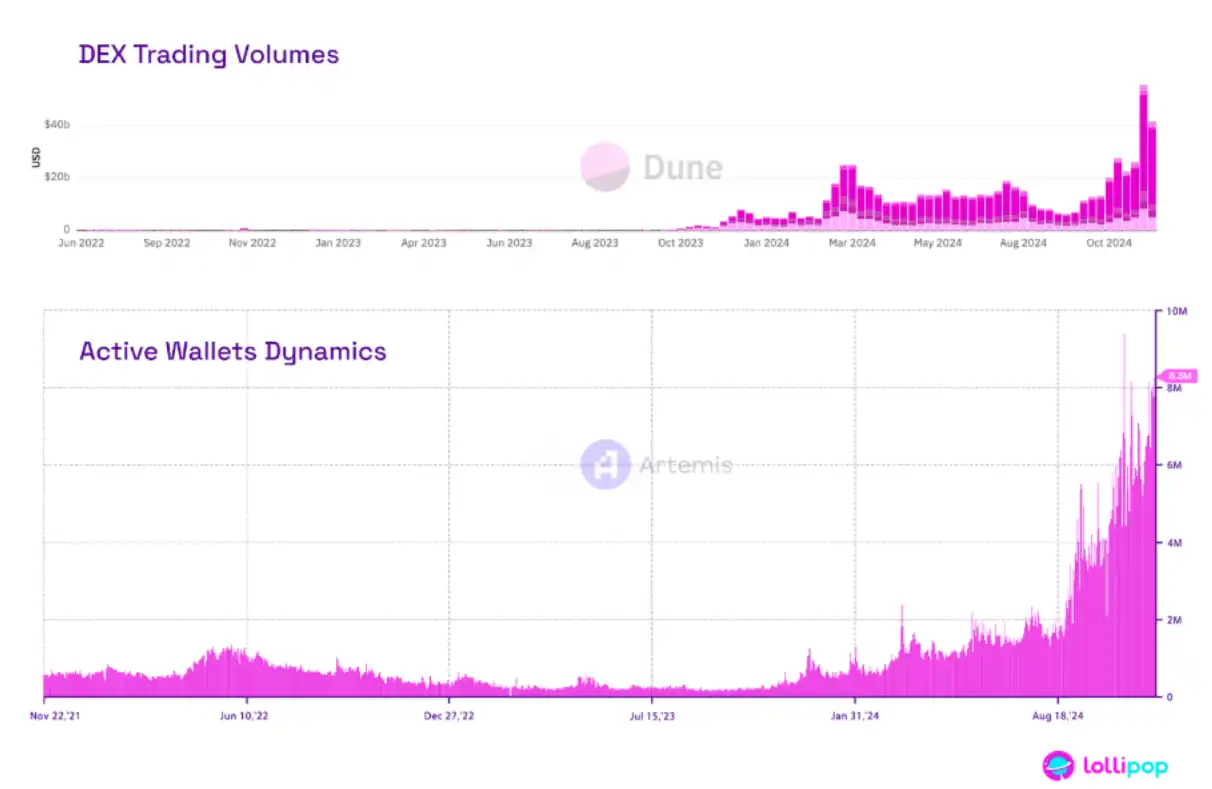
Figure 3: Solana DEX Trading Volume and Active Wallet Dynamics Source: Dune, Artemis
Thus, Solana is a powerful ecosystem with a large and active user and developer community, experiencing exponential growth in both user base and activity. This trajectory highlights Solana's importance as a leading non-EVM chain, particularly in its dynamic expansion.
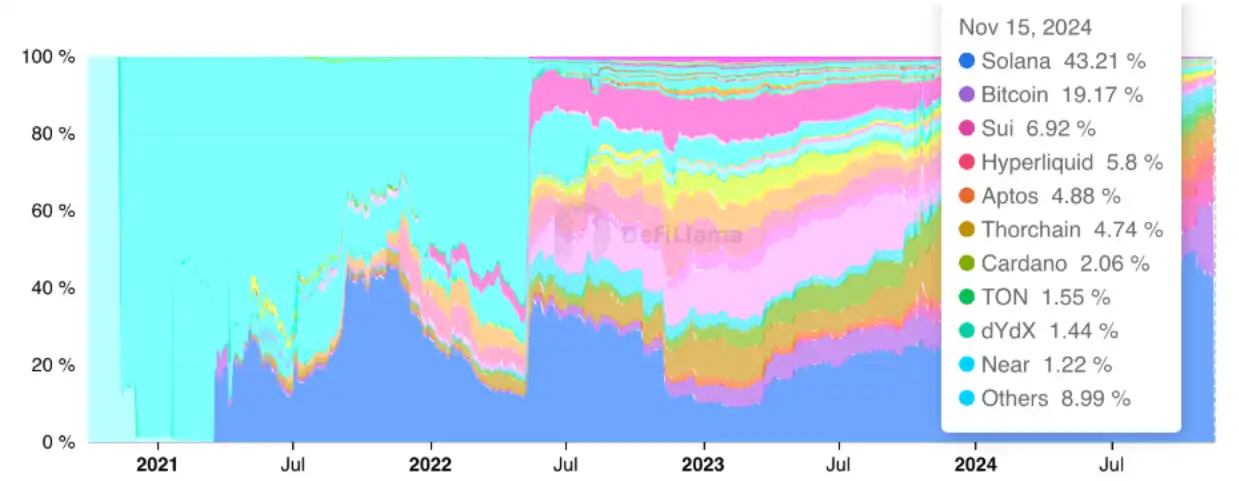
Figure 4: Comparison of TVL in Non-EVM Blockchains. Source: DefiLlama
Decentralized applications (dApps) on Solana have significantly enhanced their functionality by improving acceptance and user-friendliness. It is evident that Solana is becoming a super system with outstanding characteristics. However, some applications, such as Zeta Market, plan to launch their own instances (L2) to achieve similar goals.
One fact stands out—SVM performs exceptionally well in isolated environments. This is well demonstrated by Pyth Net, Cube Exchange, and others that utilize SVM to support application chains, which are also referred to as Solana Permissioned Environments (SPEs).
Despite the existence of independent "specific application" SVM chains, which do not significantly differ from regular Solana clients, we believe that the value of native Solana extensions (vanilla Solana forks) as Layer 2 is limited. This approach could still lead to a replay of Ethereum's fragmentation.
Clearly, Solana needs an independent approach to avoid compromising the characteristics of its monolithic architecture. This is why Lollipop has developed Lollipop Network Extensions, which will significantly change the landscape of the Solana ecosystem.
4. What Does Solana Need? - Supporting Off-Chain Operating Environments for Monolithic Architecture Through Modularity
4.1 The Core Concept of Network Extensions
The above factors have prompted the Solana community to begin discussing the necessity of moving some computational tasks elsewhere. Scaling is not a new phenomenon for Solana. As early as 2022, Token Extensions emerged, providing new features such as Confidential Transfers, Transfer Hooks, and Metadata Pointers.
Therefore, it is logical to propose the concept of "Network Extensions (NE)" when enhancing Solana's functionality and expanding dApps. In addition to enhancing Solana's capabilities through scaling, Network Extensions (NE) also introduce modular elements to the ecosystem—different environments within NE can be customized according to specific needs and shared across multiple dApps and protocols.
Based on insights and discussions within the Solana ecosystem, we have identified several fundamental principles that should define the architecture and functionality of Network Extensions (NE). These principles aim to ensure seamless integration with the Solana network while maintaining the core advantages of its architecture:
No "fragmentation" of liquidity
No "fragmentation" of the user base
For users, the interactive experience is the same as directly using Solana.
Unified technology stack.
Network Extensions (NE) send transactions directly to Solana's validation nodes.
For NE, Solana serves as a true settlement layer where the flow of funds occurs at this level. Network Extensions act as a true execution layer, not fragmenting with the main chain, and interact directly with accounts and programs at that layer.
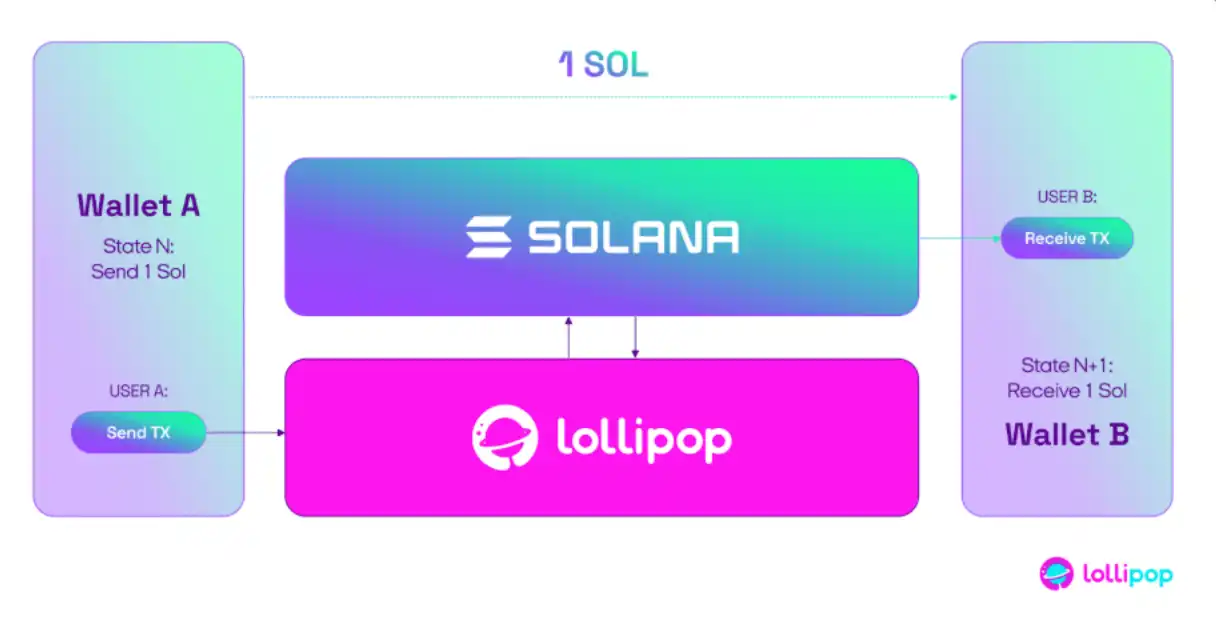
Figure 5: Simplified Flow Diagram of Lollipop Network Extensions (NE)
These characteristics distinguish Network Extensions (NE) from various scaling solutions such as rollups, sidechains, subnets, different variants of L2, and application chains. Compared to similar solutions, Lollipop aims to develop a technical framework for Network Extensions (NE) that allows developers, consumers, and end-users to seamlessly interact directly with Solana's liquidity and user base at the Solana level.
4.2 Comparative Analysis
Currently, Lollipop is the first solution to provide direct connection to the Solana mainnet without causing fragmentation of liquidity or users.
Lollipop's native environment can serve as a foundation for new products and support the migration of existing dApps without disconnecting from the Solana ecosystem and liquidity. For existing dApps, this will enhance their speed, stability, and expand their functionality.
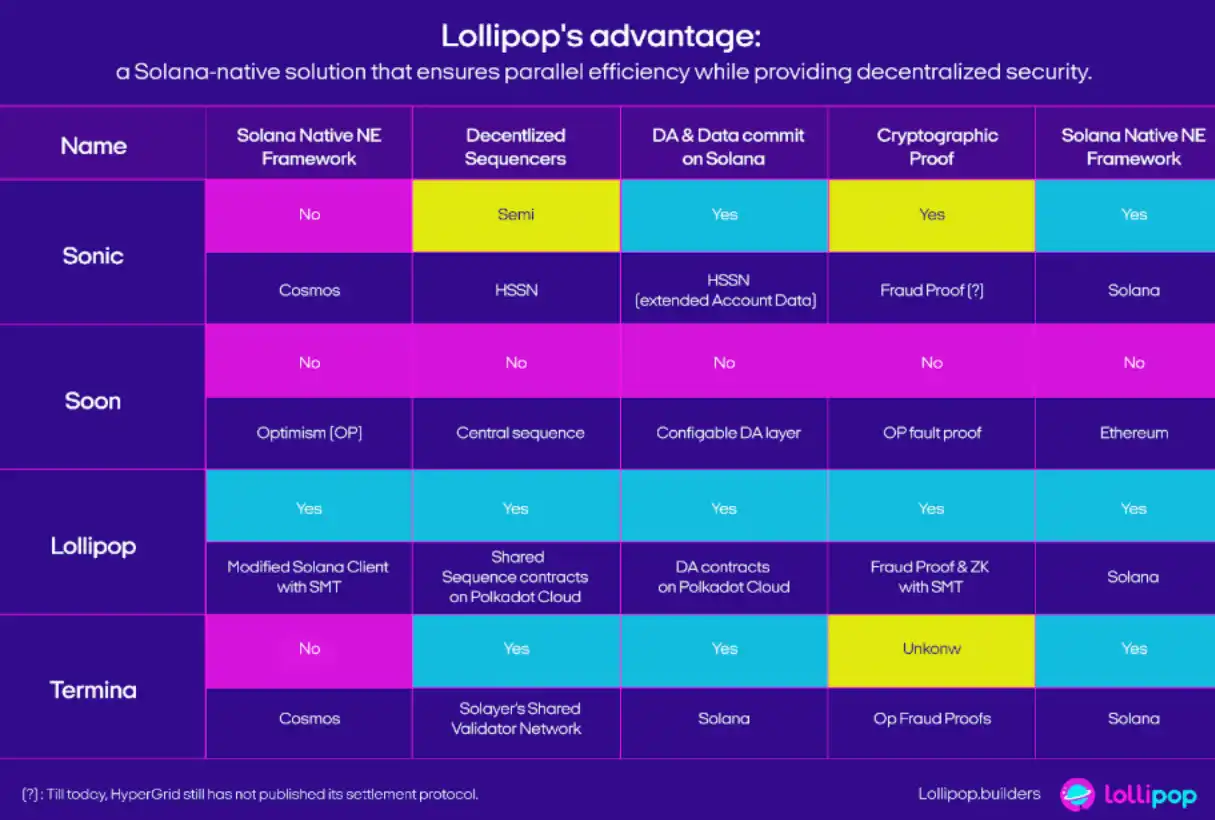
Figure 6: Comparison of Existing Solutions on Solana
Key differences with L2, sidechains, and subnets:
L2: L2 collects transactions and sends proofs to L1. Execution and settlement actually occur within the rollup, while L1 (such as Ethereum or Solana) is used for proof verification. Network Extensions (NE) send transactions directly to Solana's validation nodes and programs.
Sidechains: There is no direct connection between sidechains and the main chain. While sidechains can anchor data to the main chain, the gap between ecosystems is significantly larger compared to L1 and L2. In fact, sidechains are completely independent networks.
Subnets: In current implementations, subnets may establish independent ecosystems within subchains, concentrating liquidity and users in different spaces.
The projects most aligned with the concept of Network Extensions within the Solana ecosystem are Getcode and Sonic SVM (based on HyperGrid). However, Getcode serves only as a fund transfer layer, similar to Bitcoin's Lightning Network, and does not support the deployment of complex environments. Although Sonic has a latency of 10 milliseconds and can delegate programs deployed on Solana to its instances, it focuses more on the gaming sector and lacks the flexibility and customizability envisioned by Lollipop.
Network Extensions (NE) collaborate directly with Solana's liquidity, avoiding the formation of different chains, spaces, and communities.
Network Extensions (NE) can provide infrastructure solutions for Solana and its decentralized applications (dApps), supporting the operation of these dApps themselves. This concept is somewhat similar to the ideas of application chains (appchains) and L2. Many dApps are transitioning to their dedicated instances to improve performance, scalability, and user experience.
In L2, there are many such solutions: OP-Stack, Arbitrum Orbit, Polygon CDK, StarkEX, zkSync Era, Termina, etc. These toolkits have enabled numerous L2 projects to launch successfully, significantly enhancing the scalability and usability of blockchain networks.
However, as we have seen earlier, the current tiered model and the approach of fragmentation are not suitable for Solana's monolithic architecture.
4.3 Market Demand
The above cases and narratives reflect a broader trend: decentralized applications (dApps) are creating independent instances. This allows them to optimize operations and functionalities, providing better services to users. These applications can include DeFi dApps, games, verification and identity protocols, privacy protocols, institutional and enterprise solutions, etc. These environments are primarily built on different rollup implementations.
As mentioned earlier, rollups have a vampire effect on the underlying chain. Lollipop aims to address this issue while introducing modularity to Solana without compromising its monolithic architecture.
Here are the revolutionary implications of Network Extensions (NE) for Solana:
Customizable execution logic: Whether developers need unique governance rules, specific reward structures, or decentralized computing environments, NE can meet all detailed requirements. Developers can deploy modified SVM instances within NE, adjusting parameters such as latency, block time, and block size, which may enable real-time performance for running instances and create other currently non-obvious use cases.
Direct settlement: Although NE operates independently, all transactions are still settled directly on Solana. This maintains the unity of liquidity and user flow within the blockchain, avoiding fragmentation or vampire effects.
Economic flexibility: NE leverages Solana's efficiency to introduce innovative economic models. For example, dApp users may enjoy a gas-free economic model based on a subscription model.
Non-fragmented flexibility: Unlike L2, NE does not create isolated spaces. Everything remains unified—one can think of it as similar to Token Extensions.
Seamless UI/UX for end-users: Unlike subnets or L2/L3 solutions, NE provides a superior user experience. Users do not need to switch networks, use cross-chain technologies, or worry about address issues; they interact directly with Solana.
Reduced program deployment costs: Currently, if developers need to deploy an independent program on Solana with minimal dependencies on other programs, they must pay 1-3 SOL or more in deployment fees, depending on the program's size. However, through delegation and proxying, NE provides the possibility of deploying complex multi-component programs in different environments, which is much cheaper than direct deployment on Solana.
NE may also encompass use cases related to AVS (Automated Verification Systems) based on re-staking protocols. These use cases include decentralized oracles, co-processors, verifiable computing, decentralized ordering, rapid finality, etc. All of these benefit from the adaptability of the NE environment.
Another important scenario for NE is the ability to create gas-free economic systems within environments similar to EVM account abstraction. This is particularly useful for protocols capable of generating a large number of transactions—such as high-frequency trading (HFT), gaming, rebalancing protocols, and dynamic pools with concentrated liquidity.
Therefore, Lollipop proposes the following key directions for the application of NE:
Gaming: Imagine a game without gas fees—players enjoy a seamless experience, and developers adopt a subscription-based model for stable income. This introduces a new way of developing Web3 components for game development—interacting with wallets or markets without leaving the game environment.
DeFi: Build high-frequency trading platforms using session-based fees instead of gas fees charged per transaction, making trading faster and cheaper. New logic is formed through off-chain execution of order books and clearing designs. Higher execution speeds allow protocols to use higher leverage.
AI Models: Settle each transaction directly on Solana while deploying compute-intensive AI environments using GPUs. This can be applied to various scenarios: security assessments, routing, arbitrage, implementation of various intent models, etc.
Enterprise Solutions: Tailor environments for enterprise and institutional clients with strict management, policy, compliance, encryption, and governance rules.
PayFi: Provide programmable environments for complex financial challenges, such as supply chain finance, cross-border payments, digital asset-backed corporate cards, credit markets, etc.
Decentralized Computing: Enable advanced decentralized GPU or TEE (Trusted Execution Environment) computing—suitable for cryptography, co-processors, AI models, or data-intensive tasks.
Trusted Environments: Deploy trusted environments for use cases such as oracles, decentralized storage (DAS/DAC), verification systems, decentralized physical infrastructure networks (DePin), etc.
Thus, the primary task of the Lollipop team is to ensure that dApps and protocols can create customized environments within the Solana ecosystem and connect directly with Solana. In other words, conceptually, execution seems to occur as off-chain operations within the Network Extensions (NE), but all actions are settled and finalized on Solana.
At the same time, users' wallets should reside within Solana's block space. After a long and in-depth research and development process, the Lollipop team has ultimately achieved the current Lollipop design.
5. Lollipop Technical Explanation
Lollipop allows projects to modify Solana clients in off-chain execution environments and seamlessly transmit execution results back to the Solana mainnet, avoiding the need to create separate chains. Solana itself does not have a global state tree, which is crucial for ensuring the secure settlement of off-chain execution results. Lollipop addresses this issue by introducing Sparse Merkle Trees (SMT), which encrypt and verify execution results within its Network Extension.
Key technical features:
Off-chain execution environment: Lollipop allows dApps to handle their complex logic off-chain while ensuring that the results of each operation can be encrypted and verified through Sparse Merkle Trees, guaranteeing security and integrity.
Sparse Merkle Trees (SMT): SMT is a special type of Merkle tree used to verify the existence of certain data without storing all data. It allows Lollipop to efficiently and securely verify the results of off-chain execution, ensuring that these results can ultimately be reliably settled on the Solana mainnet.
Seamless connection with the Solana mainnet: Lollipop achieves direct connection with the Solana mainnet through its Network Extension, avoiding the fragmentation issues of traditional L2 or sharded chains, ensuring the unity of liquidity and user base.
The advantages of this technology:
No need to create independent chains: Projects no longer need to create additional chains or ecosystems; instead, they can modify Solana clients through Lollipop and achieve off-chain execution. This reduces both development and operational costs while ensuring a close integration with the Solana mainnet.
Decentralized and secure: By using Sparse Merkle Trees for encrypted verification, Lollipop ensures that the results of off-chain execution are free from tampering or inconsistencies.
Adaptable to Solana dApps: Lollipop enables decentralized applications on Solana to better scale their functionalities while avoiding performance and security issues that may arise from off-chain environments, making it an ideal choice for Solana dApps.
Lollipop's approach provides an innovative solution for Solana, enhancing scalability and operational efficiency without introducing fragmentation, making it an indispensable part of the future Solana ecosystem.
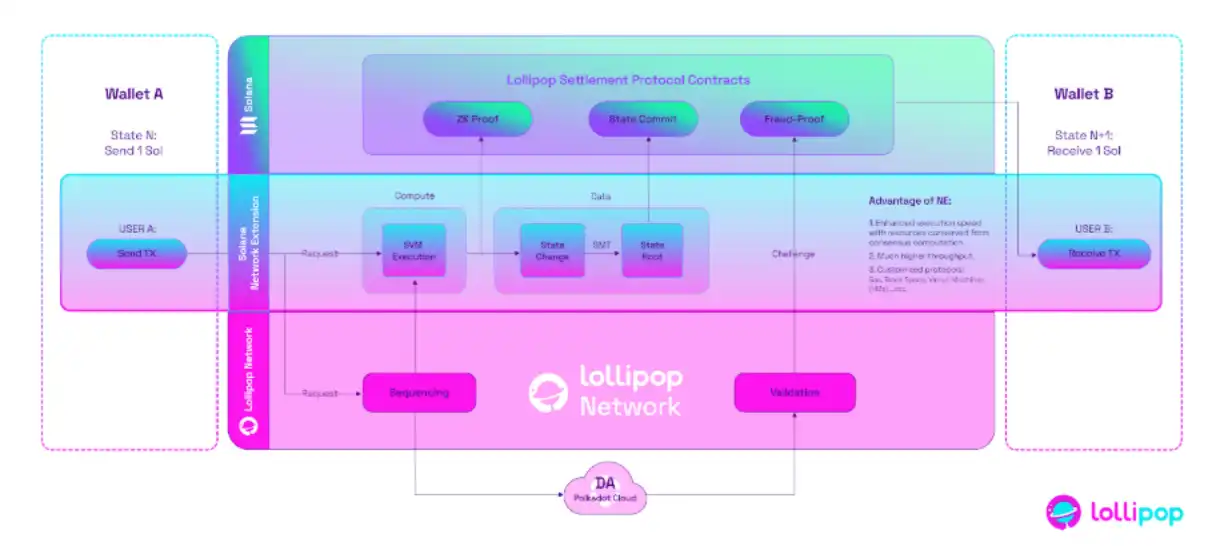
Figure 7: Lollipop Schematic
The Lollipop architecture consists of several main components:
Network Extensions Layer (NE Layer)
Programs on Solana Layer (Programs on Solana Layer)
Polkadot Cloud Layer (Polkadot Cloud Layer)
Lollipop is built directly on Solana, leveraging its parallel execution capabilities and unique transaction data structure. The parallel processing capability of the SVM (Solana Virtual Machine) relies on the Solana client itself. By modifying the Solana client, Lollipop maximizes the performance improvements brought by Solana's native advantages.
This architecture allows decentralized applications (dApps) to seamlessly migrate from Solana's L1 to Lollipop's NES without any modifications to their program code, while consuming fewer resources and supporting the same tools and developer tech stack as Solana.
It is particularly important to emphasize that the parallel execution of the SVM is based on Solana's unique transaction data structure. In each transaction, the initiator pre-declares the account information to be read and written. This allows the SVM to efficiently process a batch of transactions in parallel based on this account information, ensuring that concurrently executed transactions do not read and write to the same account simultaneously. In other words, simply transplanting the SVM to other execution frameworks does not bring the advantages of parallel processing.
Lollipop aims to become a trusted supercomputer for Network Extensions (NE), providing permissioned and permissionless environments, multi-core execution, global consistency, customizability, and high cost-effectiveness. The Lollipop network provides a complete infrastructure for NE deployment, including shared sequencers, validators, and stateless validated contracts.
By leveraging Polkadot Cloud, Lollipop can also implement data availability (DA). Each contract runs on dedicated cores, supporting parallel synchronous execution across validators, sequencers, and DA, ensuring efficient processing capabilities.
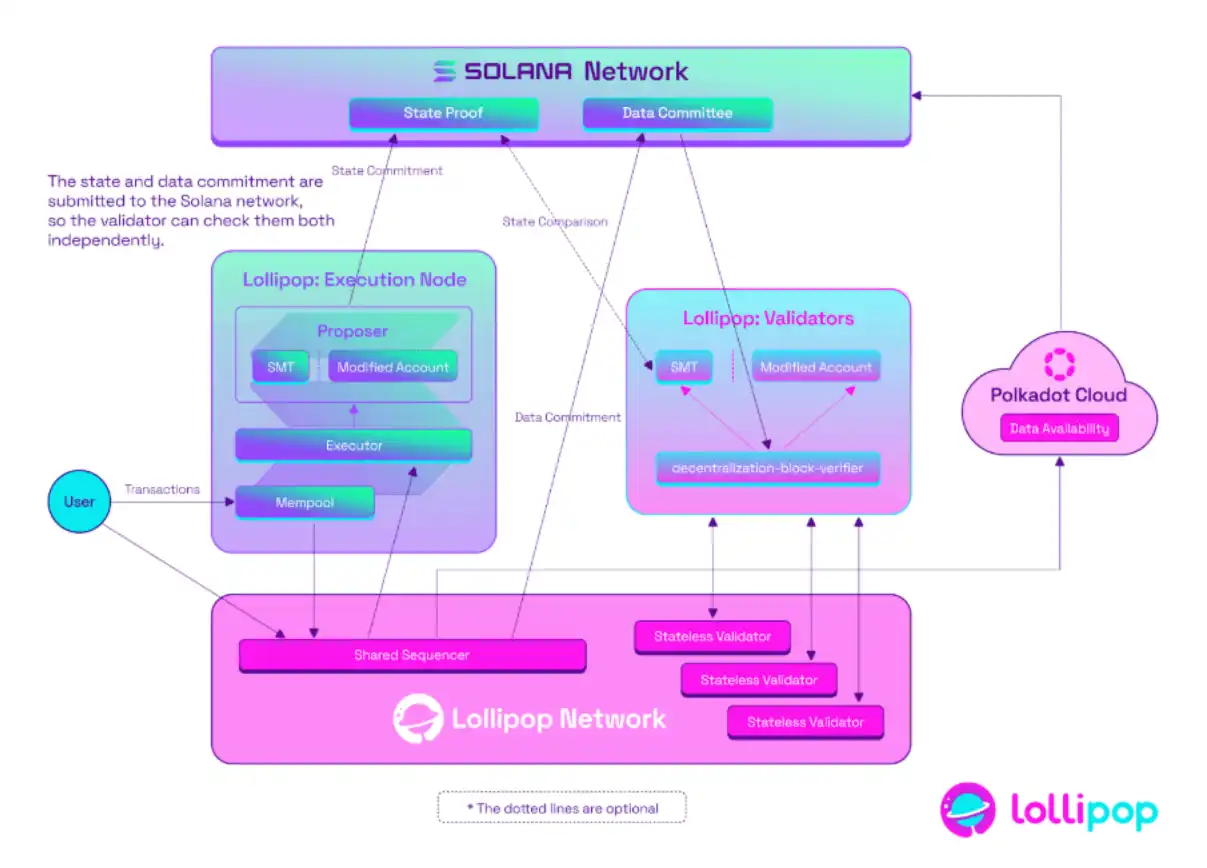
Figure 8: Lollipop Architecture Diagram
6. Conclusion
Lollipop's Network Extensions (NE) represent a significant advancement in enhancing the functionality of dApps and protocols within the Solana ecosystem. By providing a new development approach for dApps and protocols in the Solana ecosystem, Lollipop ensures seamless integration with the Solana mainnet while maintaining a monolithic architecture and avoiding chain fragmentation. Unlike traditional Layer 2 solutions that often create isolated environments and lead to liquidity fragmentation, Lollipop ensures that liquidity and user bases remain unified across both layers through direct connection with Solana.
Lollipop's Network Extensions (NE) provide developers with a universal framework to create customized runtime environments that meet the specific needs of different use cases. In particular, Network Extensions (NE) can provide more efficient operations for perpetual decentralized exchanges (Perp DEX) by deploying a speed-optimized SVM instance. They can also reduce user interface and user experience friction for decentralized applications (dApps) in the Solana ecosystem by introducing intents and account abstraction. This capability could become a catalyst for the growth of Web3 gaming on Solana.
The configuration independence of NE instances from Solana further paves the way for enterprise-grade products, institutional solutions, PayFi applications, and even niche applications like insurance products.
Ultimately, Lollipop's design offers a forward-looking solution for the scalability of dApps on Solana, laying the foundation for a new era of high-performance blockchain environments. As the Solana ecosystem continues to grow, Lollipop's unique architecture positions it as a key driver of future innovation, equipping developers with the tools needed to build secure, efficient, and sustainable applications.
免责声明:本文章仅代表作者个人观点,不代表本平台的立场和观点。本文章仅供信息分享,不构成对任何人的任何投资建议。用户与作者之间的任何争议,与本平台无关。如网页中刊载的文章或图片涉及侵权,请提供相关的权利证明和身份证明发送邮件到support@aicoin.com,本平台相关工作人员将会进行核查。


