Original Author: 1mpal
Original Translation: Deep Tide TechFlow

It's hard to believe that Korean players have a certain aversion to "games with blockchain elements."
STEPN has about 30,000 users in Korea, most of whom know almost nothing about cryptocurrencies, while SuperWalk has been downloaded over 100,000 times. Blockchain games like "Idle Ninja Online" and "Mudol" have topped the app store's revenue rankings.
However, after the collapse of LUNA in May 2022, this P2E narrative suddenly stalled. In Korea, games must be "classified" by the Game Product Management Committee before they can go online, and public attitudes have changed after the committee repeatedly refused to classify P2E games.
In other words, I believe that Koreans do not hate "blockchain games" per se, but rather feel averse to the negative associations they bring. This article will reveal the "aversion" and "challenges" in the Korean market.
1. The existence of tokens
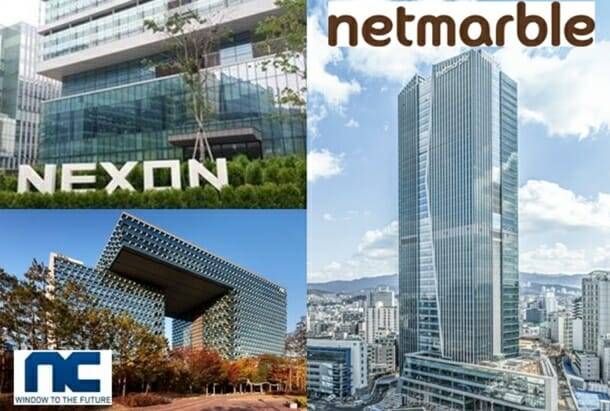
Korean players have always had a negative view of game issuers. In the 2010s, the three major game companies in Korea—NCSoft, Netmarble, and Nexon—were collectively referred to as the "3N," and it was not a term of praise. They were often criticized for hindering the development of the Korean game industry.
Due to this bad reputation, token issuance was quickly seen as exploitative behavior. WeMade led the P2E narrative in Korea, selling a large amount of WEMIX to acquire another company. This move was widely seen as greedy, as the company not only profited from the game itself but also from token sales.
Therefore, if you want to introduce Korean players to blockchain games without any negative reaction, you need to explain that your tokens "will not directly benefit the issuer or venture capital firms." This is difficult to sell, and the best statement is: "We do not issue tokens."
2. Substitutable legal regulation
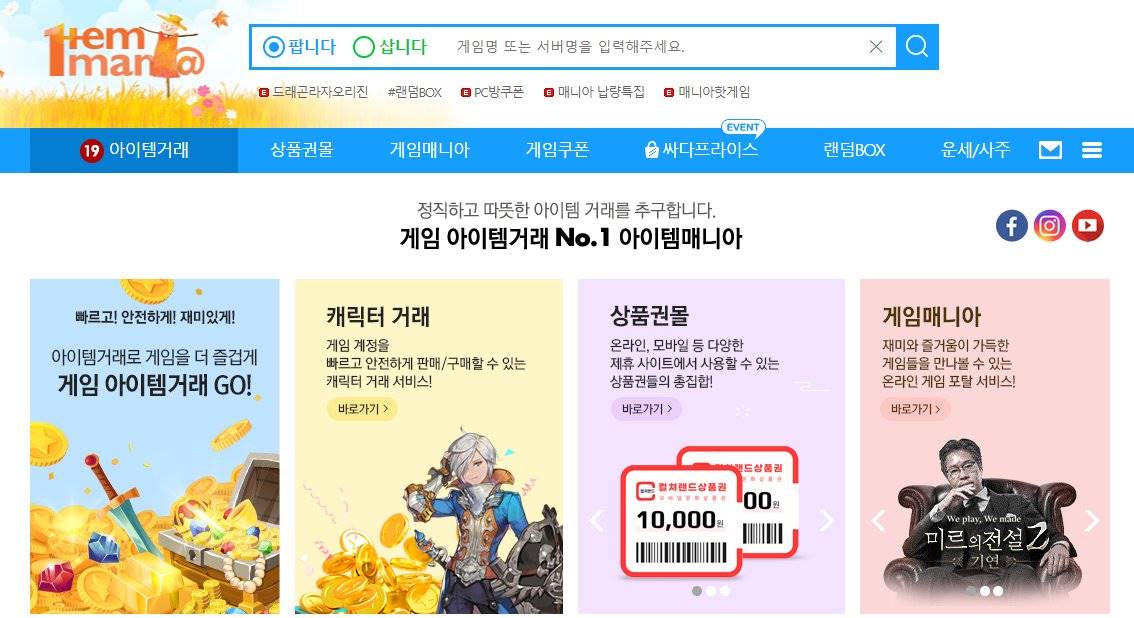
Korean players are very active in P2P transactions or RMT (real money trading). The largest P2P platform in Korea has an annual transaction volume of over $750 million. However, this is prohibited by game issuers. Games like "MapleStory" are relatively tolerant of RMT transactions, and have even formed their own RMT community. In Korean, this is called "쌀먹" (Ssalmeok), a term used to describe informal trading in games, especially involving real money transactions using in-game resources.
In addition to the debate about whether blockchain is suitable for RMT services, there are two options in the legal framework of Korean games:
If only paid currency is used for transactions, it is rated as R18.
If currency obtained in the game is also used in transactions, it falls under the regulation of gambling. When it comes to the blockchain market, legal issues arise because the traded goods may not necessarily be labeled as R18, but converting them into legal tender poses a problem. Similar to tokens, NFTs are also subject to regulatory restrictions in Korea, as they are considered "substitutable" if they have significant value in external markets.
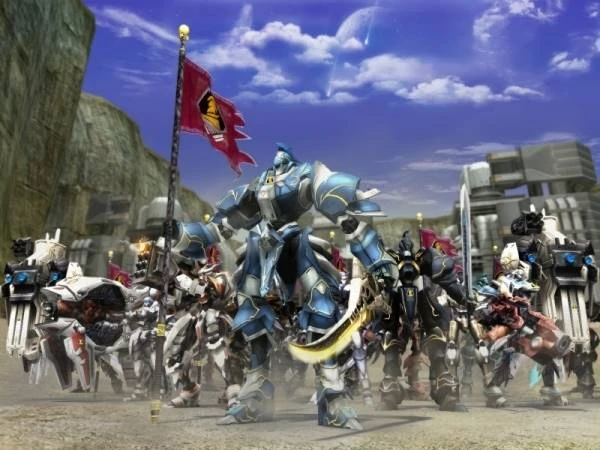
The recent discussion about "revenue sharing" in some Web3 games is not new in Korea. As early as 2009, "RF Online" paid monthly salaries to top guilds, which sparked controversy but was not illegal. This was allowed because these payments were unrelated to in-game items. However, it is prohibited in Korea if in-game items can be directly cashed out.
3. Player age

In Korea, the number of young investors is quite substantial. They are agile, smart, and well-informed. Knowing that the P2E model often collapses, they avoid falling into a death spiral. It would be a mistake to target a young audience to win Korean players. When you look at the demographic data of successful blockchain games (or apps) in Korea, the results are very interesting. The core user groups of MIR4, MUDOL, STEPN, and SuperWalk are composed of men in their 30s and 40s. They are often numb to community noise, and interestingly, they have less strong opposition to blockchain games.
I once wrote a blog guide for a Korean portal site about the successor to MUDOL. Perhaps young investors are no longer interested, considering MUDOL a failure, but to this day, over 350 people have used my invitation code to register their first overseas centralized exchange (CEX), and these people are all in their 40s.

Many game projects still see Korea as an attractive market, and not without reason. The competition here is fierce, the ARPPU (Average Revenue Per Paying User) of MMORPGs is high, the game quality is excellent, and it is also the fourth largest game market in the world. However, some claims about its potential may be exaggerated. I have spoken to many players, and while they may be skeptical of blockchain games themselves, they rarely hate the keyword "blockchain." What they are concerned about is the greed of game issuers and the potential impact on ordinary players when token prices collapse.
Game players seem to be not opposed to official support for RMT (real money trading), which is currently a legal gray area and may also be a pure revenue sharing model. However, this may require relinquishing control over "tokens," or waiting for the Korean government to clarify regulations on in-game monetization.
免责声明:本文章仅代表作者个人观点,不代表本平台的立场和观点。本文章仅供信息分享,不构成对任何人的任何投资建议。用户与作者之间的任何争议,与本平台无关。如网页中刊载的文章或图片涉及侵权,请提供相关的权利证明和身份证明发送邮件到support@aicoin.com,本平台相关工作人员将会进行核查。


