Although the details of the project are still not completely clear, some key information has been exposed through live interviews with Decrypt and RugRadio.
Author: Aiying
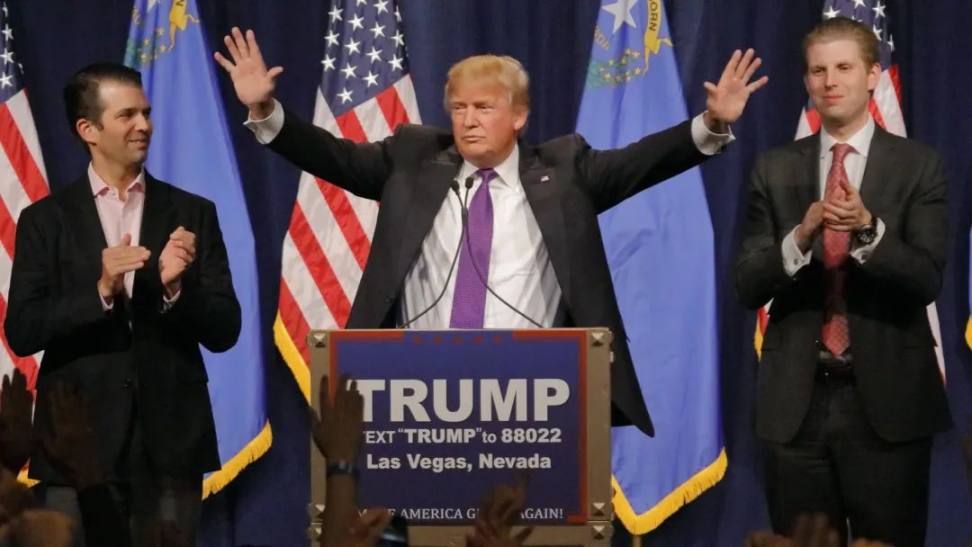
After surviving a second assassination attempt, Trump announced the long-rumored cryptocurrency project World Liberty Financial (WLF). Although the details of the project are still not completely clear, some key information has been exposed through live interviews with Decrypt and RugRadio. As the latest exploration of the Trump team in the cryptocurrency field, WLF aims to provide decentralized lending services to users using blockchain technology. The core of the project is the governance token WLFI, which operates on the Ethereum blockchain and is managed and operated in a decentralized manner. The project claims that the WLFI token will be more "user-friendly" by simplifying the design and lowering the technical barriers for ordinary users to enter the decentralized finance (DeFi) field.
I. Project Introduction
1. Fundraising Method: Regulation D Rule 506(c)
According to Aiying's understanding, the WLF project has adopted a special fundraising method, namely raising funds through the U.S. Securities and Exchange Commission (SEC)'s Regulation D Rule 506(c). This fundraising method allows projects to sell tokens to accredited investors through public channels without the need for a complete securities registration process. For large projects like WLF, 506(c) provides a more flexible fundraising path, especially in the current increasingly strict cryptocurrency regulatory environment. Through this rule, the project can legally publicize and target specific investor groups, avoiding the cumbersome and expensive processes of traditional fundraising.
2. WLFI Token Distribution Plan
According to excerpts from the project's white paper, 62.66% of the token supply will be distributed through the upcoming token sale, with a portion of the net proceeds entering the project's multi-signature wallet reserve and another portion being paid to project founders, teams, and service providers. 17.33% of the tokens will be used to incentivize community governance participation and other community growth plans. The remaining 20% will be allocated to the team, advisors, and future employees, with some tokens being allocated to Trump Group affiliates, the WLF Foundation, and the Witkoff Group led by Trump's long-time friend Steve Witkoff.
II. Aiying's Interpretation: Regulation D 506(c) Rule
Regulation D Rule 506(c) is an important exemption rule provided by the U.S. Securities and Exchange Commission (SEC), allowing companies to publicly raise funds from accredited investors in a specific manner without conducting a comprehensive registration. This provision provides a legal pathway for many startups and cryptocurrency projects to raise funds, avoiding the complex and expensive processes of traditional securities registration.
1. Public Fundraising Rules of 506(c)
Compared to other fundraising exemption rules (such as Regulation D's 506(b) provision), a significant feature of 506(c) is that it allows projects to conduct public fundraising. This means that project parties can promote their tokens or other securities to potential investors through advertising, social media, and public relations. This is particularly attractive for projects that need to raise large amounts of funds in a short period. Traditional securities laws typically prohibit unregistered securities products from public promotion, but 506(c) removes this restriction, although it has stricter requirements for investor qualifications.
2. Accredited Investor Requirements
Although 506(c) allows public fundraising, the SEC has very strict requirements for investor qualifications. According to the SEC's definition, an accredited investor refers to an individual or entity with relatively mature financial conditions, meeting one of the following conditions:
- Individual Investors: Annual income of at least $200,000 in the past two years, or combined annual income with a spouse reaching $300,000, and an expectation to maintain the same level of income in the current year; or individual net assets exceeding $1 million (excluding primary residence).
- Institutional Investors: Including financial institutions, trusts, and other legal entities that meet the asset size specified by the SEC.
Project parties must ensure that all investors meet the accredited investor standards through strict verification procedures. Common verification methods include auditing tax returns, bank statements, or investors' professional certificates. Although these strict verification procedures increase the compliance costs for project parties, they effectively ensure market security and reduce fraud risks.
3. Applicability to Cryptocurrency Projects
For cryptocurrency projects, 506(c) provides a legal and compliant fundraising channel, especially in the existing regulatory framework where cryptocurrency projects often face complex legal obstacles. With the increasing regulatory efforts of the SEC in the cryptocurrency field, more and more projects are choosing 506(c) as a means of fundraising. For example:
- PerpetualIndustries: This is an energy technology development company focusing on blockchain and cryptocurrency mining. They conducted a round of Series A preferred stock fundraising through 506(c) to fund their expansion plans for the cryptocurrency mining department. This project allowed them to raise funds from accredited investors through public promotion, which will be used to purchase mining equipment, expand data infrastructure, etc. (MoschettiLaw) (Perpetual News).
- Telegram's TON (Telegram Open Network): Although it ultimately faced opposition from the SEC, Telegram initially raised funds through Rule 506(c) and promoted its blockchain project TON to accredited investors. This case demonstrates the potential application of Rule 506(c) in the cryptocurrency field, despite the project being terminated later for not complying with securities regulations.
Although the white paper emphasizes that the WLFI token is not considered a security, it will be sold through SEC's Regulation 506(c) as an unregistered security to qualified investors. This means that it acknowledges that its tokens may be considered securities and sells them to qualified investors in this way, avoiding the risk of violating securities laws. Therefore, all users purchasing WLFI will undergo identity verification standards similar to U.S. cryptocurrency exchanges such as Coinbase and Kraken's "Know Your Customer" (KYC) standards.
III. How to Ensure Compliance for ICO Projects and Avoid SEC Harassment
For Web3 institutions operating in the United States or serving U.S. users, how can they avoid potential scrutiny and prosecution by the SEC? Aiying summarized the following points for reference:
1. Clearly Define the Token's Use and Function
- Priority on Practicality: Ensure that the functionality of your token in the project is clear, such as for paying transaction fees, accessing platform services, participating in community governance, etc. The primary use of the token should be closely related to the actual operation of the platform, rather than primarily serving as an investment tool.
- Reduce Speculation: Avoid excessively emphasizing the token's potential for appreciation or investment returns in market promotion, and instead emphasize its actual use within the ecosystem. Clearly communicate the token's use cases and practical functions to prevent the SEC from classifying it as a "security."
2. Transparent Issuance and Management Processes
- Avoid ICO Pitfalls: If conducting a token sale, especially an ICO, ensure that the sales process complies with legal requirements. Consider private sales (such as selling only to accredited investors) or conducting a registered sale to ensure compliance.
- Transparent Management: Clearly disclose the use of project funds, ensure transparent management and use of funds consistent with initial commitments. Provide regular financial reports and project progress reports to avoid SEC attention due to opaque fund usage.
3. Compliance with Existing Laws and Regulations
- Registration or Exemption: When operating in the United States, ensure that your project complies with SEC requirements for securities issuance. If tokens may be considered securities, consider legally issuing tokens through registration or applying for exemptions.
- AML and KYC Requirements: Comply with anti-money laundering (AML) and know your customer (KYC) legal requirements. Ensure that platform users undergo strict identity verification during registration and transactions to prevent illegal activities.
4. Collaborate with Legal and Compliance Experts
- Hire Legal Advisors: Always work with experienced cryptocurrency legal advisors during the project development and token issuance process. Legal advisors can help assess the project's legal risks and ensure compliance with legal requirements at all stages of the project.
- Compliance Team: Establish or hire a dedicated compliance team to monitor regulatory changes globally and adjust the project promptly to comply with new regulatory requirements.
5. Clear Marketing and Communication Strategies
- Cautious Marketing: Avoid using language that could classify the token as an investment contract in promotions and advertising. For example, avoid promising high returns or emphasizing the speculative value of the token, and focus more on the project's technical innovation, community value, and the token's actual use.
- Educate Users: Help users understand the token's functionality and use cases through educational materials to prevent legal issues arising from misunderstandings or incorrect expectations.
6. Prudent Governance and Operating Models
- Decentralized Governance: If the project claims to be decentralized, ensure that the governance structure is genuinely decentralized, allowing users to participate in the decision-making process and reducing the central control of the issuing party or development team. This helps prevent the SEC from defining the project as a "security" controlled by a few individuals.
- Community-Driven: Build strong community support and empower users with more rights through mechanisms such as voting, reducing the project's reliance on core team members and further demonstrating decentralization.
7. Legal Operation of Secondary Markets
- Control Market Manipulation Risks: In the operation of secondary markets, avoid market manipulation and ensure that all market transactions are fair and transparent. Regularly monitor market behavior to prevent manipulation that may attract SEC attention.
- Compliant Listing: Before listing tokens, ensure that the exchange complies with local legal requirements, especially when listing in the United States, choose an exchange that already complies with SEC regulatory requirements.
8. Addressing Future Legal Challenges
- Prepare Contingency Plans: Prepare contingency plans to address legal challenges, including the selection of legal defense teams and communication strategies with regulatory agencies. If facing regulatory investigations, be able to respond promptly.
- Collaborate with Regulatory Agencies: If the regulatory environment changes, actively collaborate with regulatory agencies to demonstrate willingness to adjust the project to comply with new regulations, reducing conflicts and potentially reaching settlements.
Reference: Donald Trump Launches World Liberty Financial Project: Token Details
免责声明:本文章仅代表作者个人观点,不代表本平台的立场和观点。本文章仅供信息分享,不构成对任何人的任何投资建议。用户与作者之间的任何争议,与本平台无关。如网页中刊载的文章或图片涉及侵权,请提供相关的权利证明和身份证明发送邮件到support@aicoin.com,本平台相关工作人员将会进行核查。


