1. Background
Vast IP Market
With the development of the times, more and more people have realized the economic benefits of intellectual property (IP), and intellectual property has become an important asset category, covering a wide range of fields from software code, artistic works to scientific inventions.
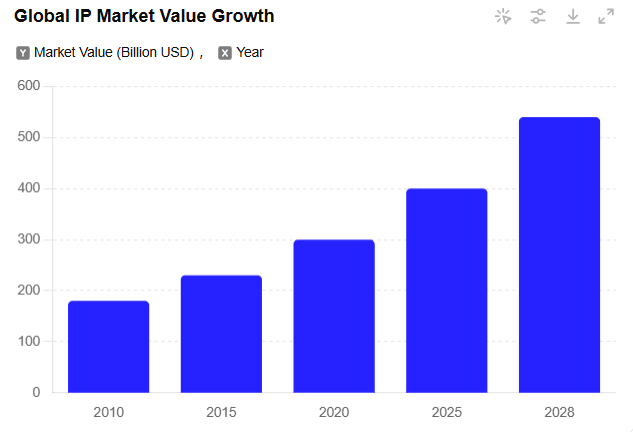
Figure 1: Incomplete statistics and estimation of the global intellectual property market value (self-made)
Global market value: The value of the global intellectual property market reached approximately $180 billion in 2020, and is expected to grow at a compound annual growth rate (CAGR) of approximately 8.5% between 2024 and 2028.
Growth of patents and trademarks: In 2020, the global number of patent applications exceeded 3.27 million, an increase of 1.6% from 2019. The number of trademark applications showed a significant increase, reaching approximately 17.1 million, with a growth rate of 13.7%. These growth figures indicate that despite the impact of the global economy by the pandemic, enterprises and individuals are still actively promoting innovation and expanding business through intellectual property tools.
Regional contributions: Intellectual property activities in Asia are very active, with Asia accounting for 64% of the total global patent applications in 2020. China, in particular, has shown outstanding performance in this field, occupying the largest share of global patent applications.
In the current situation of global economic downturn and severe employment conditions, the value of global IP, the number of patents and trademarks continue to rise, and the center of intellectual property is gradually shifting to Asia, indicating the immeasurable future of the IP market.
Challenges of the Digital Age
However, as the IP market continues to grow, the complexity of IP management is also increasing. Traditional IP management models rely on centralized legal systems and manual verification, which appear inefficient and difficult to adapt to the rapid development of digitalization. At the same time, traditional IP management faces problems such as easy infringement, difficult authorization, and low transparency. The laws regarding IP differ between different countries and regions, making it difficult to safeguard the rights of IP owners.
Lack of liquidity: Due to the lack of a unified platform, the trading and authorization of IP require complex legal procedures, which not only consume time and effort but also result in high costs.
Issues of protection and transparency: In the United States alone, the annual losses caused by digital piracy amount to as much as $50 billion. Traditional legal protection methods are difficult to track infringement and the process of evidence collection and rights protection is complex.
Obsolescence of legal systems: Existing IP legal systems are mainly designed for the physical world and do not match the requirements of the digital age.
In the face of so many real problems, introducing IP tokenization into the blockchain to make it programmable and directly managed by IP owners may be one way to solve these problems.
2. Story Project Introduction
Project Vision
Story is a revolutionary IP management platform based on blockchain technology, dedicated to completely changing the way narratives are created in the world. Its core mission is to unlock a completely new way to create, manage, and license on-chain intellectual property (IP), forming an "story legos" ecosystem that can be recombined. By providing a simplified framework, Story Protocol supports the entire lifecycle from IP creation, management to authorization. This framework includes functions such as source tracking, frictionless licensing, and revenue sharing, allowing creators to create more freely and benefit from it. In addition, the platform allows anyone to contribute to and remix existing creations, ensuring that the value of these contributions can be captured and distributed.
Development Milestones
Early vision and establishment (early 2022): Story Protocol was founded in early 2022, bringing together blockchain technology experts, legal advisors, and creative industry leaders. The goal is to develop a platform that supports global creators and enterprises in managing and commercializing their creative assets.
Technical development (mid-2022): The team is committed to building a vertically integrated technical solution to support complex IP data structures and decentralized management models.
Creative Proof Protocol (early 2023): Story Protocol launched the landmark Creative Proof Protocol. Creators register, verify, and protect their creative works on the platform, and achieve automatic royalty payments and license management through the protocol.
Financing and expansion (2023-2024): Story Protocol has undergone three rounds of financing, receiving investments from dozens of top VCs including a16z, with total financing exceeding $150 million.
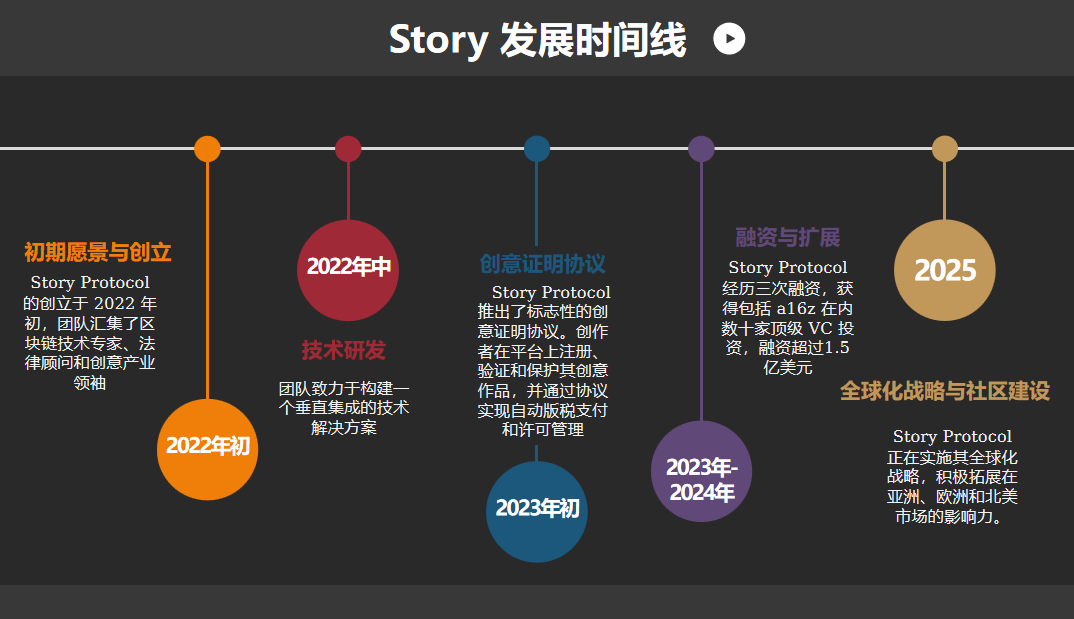
Figure 2: Story development timeline (self-made)
3. Story Network - Universal Layer 1 Blockchain
Story Network is a universal Layer 1 blockchain designed specifically to efficiently handle complex data structures, especially data related to intellectual property (IP). This network is based on a combination of the Ethereum Virtual Machine (EVM) and Cosmos SDK, combining the strengths of both to achieve high performance and flexibility in IP operations.
Combination of EVM Compatibility and Cosmos SDK
EVM compatibility allows Story Network to provide the same code execution environment as Ethereum, which means that developers can directly port existing Ethereum applications written in Solidity to Story Network without extensive modifications. This compatibility significantly reduces development costs and shortens development time, allowing developers to more quickly utilize the features of Story Network to build and deploy applications. The implementation of EVM compatibility has laid the foundation for the rapid development of the Story Network ecosystem.
In addition, Story Network adopts the Cosmos SDK as its underlying framework to enhance the network's scalability and transaction efficiency. The Cosmos SDK provides efficient consensus mechanisms and cross-chain interoperability, allowing Story Network to maintain low latency and low cost when processing a large number of transactions. This design not only enables Story Network to support complex IP data processing but also allows interoperability with other blockchains, providing a wider range of application scenarios for developers and users.
Complex Data Processing Capability
The complexity of IP mainly lies in its multi-level relationships and interactions, such as a creative asset involving multiple creators, versions, and derivative works. These complex graphical data structures pose new challenges to blockchain technology. Traditional Layer 1 blockchains have difficulty efficiently managing and processing these complex relationship networks, especially in cases involving countless parent-child relationships, which may lead to data disorder and other issues.
To address this issue, Story Network introduces a graph data storage mechanism in its execution layer. Through this mechanism, Story Network can rapidly and economically traverse large IP relationship networks, ensuring that the relationships and royalty distributions of each creative asset can be accurately tracked and managed. This innovation enables Story Network to support a wide range of IP management and commercialization use cases, such as automatic licensing, royalty payments, and dispute resolution.
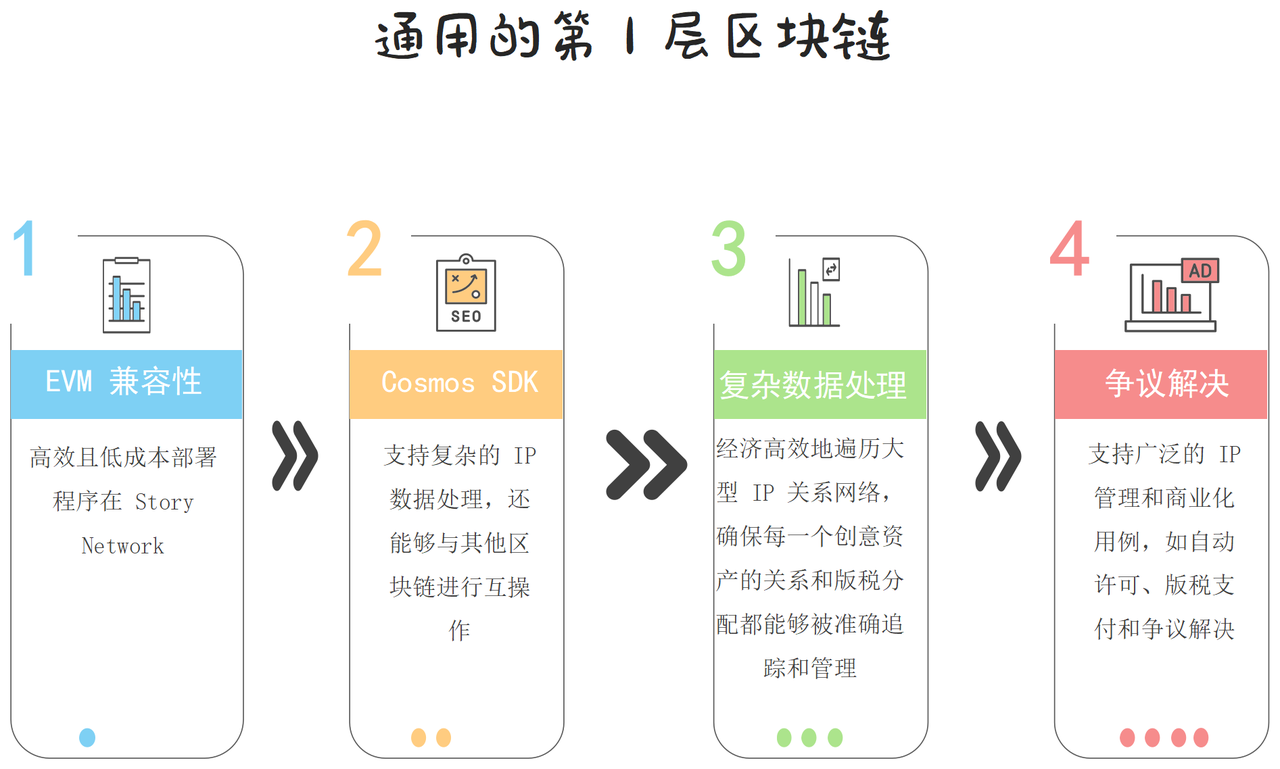
Figure 3: Story Network schematic diagram (self-made)
4. Proof-of-Creativity Protocol
4. Proof-of-Creativity Protocol
One of the core elements of Story Network is its innovative Proof-of-Creativity protocol, which provides the foundational support for the digitization and automation of IP management. Integrated natively into Story Network, the Proof-of-Creativity protocol enables frictionless licensing, automatic royalty payments, and a decentralized approach to intellectual property management for global creators and enterprises.
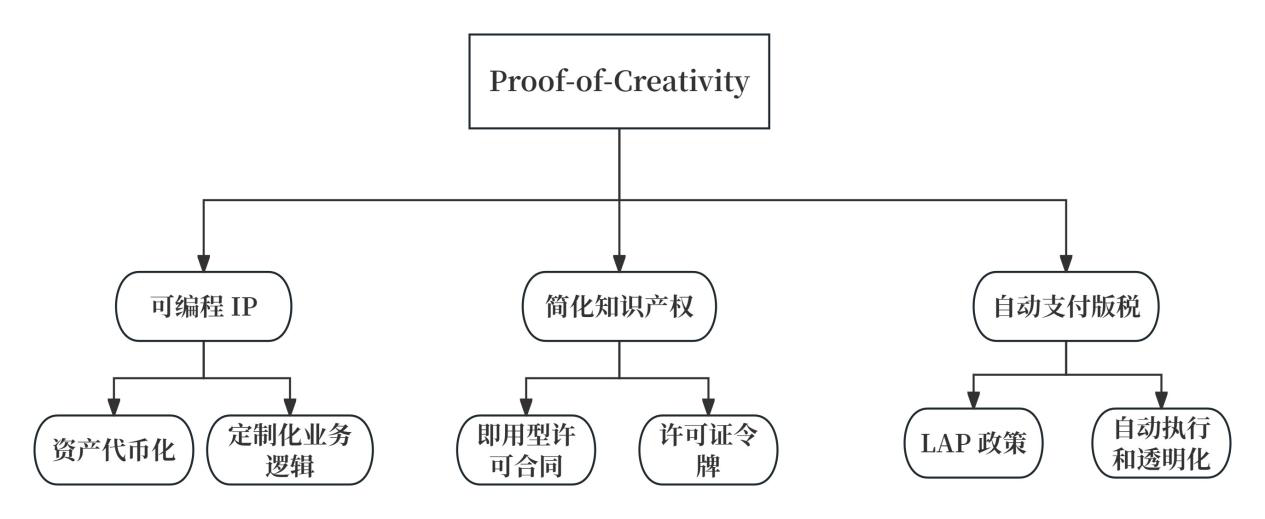
Figure 4: Proof-of-Creativity process (self-made)
Pioneering a New Era of Intellectual Property Management
On Story Network, programmable IP becomes a reality. IP is no longer just static legal terms and contracts, but smart contracts capable of taking autonomous action. This programmability brings automation, transparency, and reliability to IP management, making the management structure more efficient and convenient.
The implementation of programmable IP is based on two key pillars: asset tokenization and module-driven interactions.
Asset Tokenization: On Story Network, any creator can register their creative assets as on-chain IP assets. These IP assets exist in the form of non-fungible tokens (NFTs), representing real-world intellectual property, and are stored in a comprehensive registry. This on-chain record not only ensures the uniqueness and tamper resistance of each IP but also provides creators with transparent ownership proof.
Customized Business Logic: Story Network is not just a platform for storing IP assets. Each registered IP asset is equipped with its own IP account, which implements complex interactions and business logic through modules. Modules are functional units similar to LEGO blocks, supporting functions such as frictionless licensing and automatic royalty payments. In addition to pre-configured licensing, royalty, and dispute resolution modules, developers can create custom modules to meet advanced business requirements.
Simplified Use and Licensing of Intellectual Property
In traditional IP management, licensing is often a complex and expensive process. The Proof-of-Creativity protocol on Story Network simplifies this process through pre-configured licensing modules, making licensing efficient and easy to manage.
Ready-to-Use License Contracts: Story provides ready-to-use license contracts similar to the Y-Combinator SAFE template. These pre-configured contracts cover all media types, allowing creators to define and attach custom license terms in seconds. This streamlined process significantly reduces the complexity of licensing, enabling creators to commercialize their works more quickly.
License Tokens: Story Network uses license tokens to manage licenses, which are digital assets representing licenses. Anyone can obtain license tokens to create derivative works, while adhering to the preferred license terms of the original creator. The use of license tokens not only simplifies the licensing process but also creates new use cases, such as license token trading (IPFi), providing a new avenue for the financialization of intellectual property.
Automatic Royalty Payments
Royalty payments are a crucial part of commercializing intellectual property, and Story's Proof-of-Creativity protocol ensures the automation and transparency of royalty payments, achieving secure and reliable royalty distribution through blockchain technology.
Liquid Absolute Percentage (LAP): Through LAP policies, Story defines how income is shared in the derivative chain. Each IP asset can choose downstream distribution of royalties, meaning that income from each derivative work is automatically distributed to the original creator according to predefined ratios.
Automatic Execution and Transparency: Because all royalty calculations and payments occur on the blockchain, these processes are both error-resistant and free from third-party interference. Creators can ensure that their income arrives on time, addressing common delays and disputes in traditional royalty payments. This automation mechanism provides creators with reliable cash flow support.
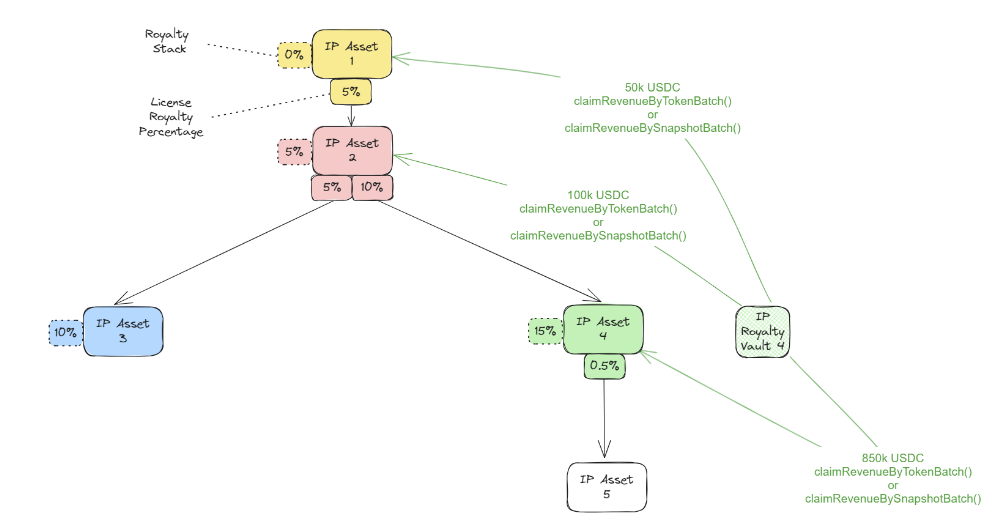
Figure 5: Using the Liquid Absolute Percentage royalty policy (official website)
5. Programmable IP License
The Programmable IP License (PIL) is a core innovation of Story Network, enabling intellectual property to be introduced to the blockchain, bringing on-chain liquidity and programmability to the trillion-dollar asset class.
Bridging Blockchain and Real-world Law
On Story Network, intellectual property is not just a digital term but a programmable smart contract. Similar to USDC's role in fiat currency, Story Network brings real-world intellectual property onto the blockchain through tokenization and universal licensing protocols. This process is not just about on-chain assets but tightly linking on-chain assets with the real-world legal system through bidirectional connections. In this process, PIL acts as the "Y-Combinator SAFE" for intellectual property, providing legal protection and ensuring creators' control over their works. In this way, Story Network provides a secure and reliable legal foundation for on-chain management of intellectual property.
Universal Licensing Protocol
Specifically, PIL is a universal licensing protocol that allows IP owners to set rules for the use of their intellectual property. Through PIL, creators can easily set usage conditions for their works without the need for complex legal procedures. PIL offers a range of pre-configured options that creators can select and customize according to their needs.
Non-commercial Social Remix: Allows others to remix IP into their works and distribute these remixes, but prohibits resale or commercialization.
Commercial Use: Allows others to purchase usage rights at a set price for display or publication of the work, but prohibits resale or commercial remixing.
Commercial Remix: In addition to commercial use, allows others to create remixes and distribute them, while setting a percentage for revenue sharing.
In addition to pre-configured options, PIL also supports custom license agreements, allowing developers to easily attach and parameterize these license agreements through Story Network's SDK.
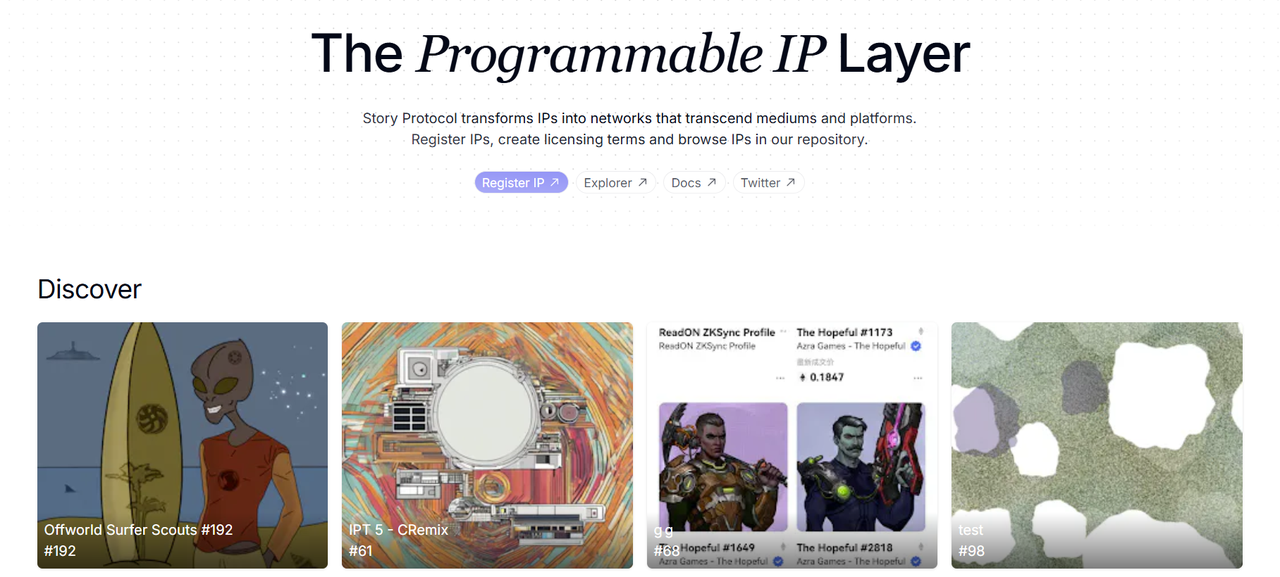
Figure 6: Programmable IP official website diagram (official website)
6. Application Landing
Builder Program: Story Academy
A mature blockchain ecosystem inevitably has a rich array of applications. Story Network has established Story Academy, a program designed specifically for builders and innovators, aimed at supporting, guiding, and accelerating innovative projects built on Story Network. The program provides comprehensive technical support, marketing strategies, funding, and investor networks to help entrepreneurs realize their dreams.
With the support of Story Academy, several projects including Magma, Mahojin, Sekai, and Ablo have successfully applied Story Network's related protocols.
Magma: Collaborative Design Tool
Magma is a multi-user online design tool suite that supports over 2 million users, allowing creative professionals to collaborate in real time. Through Story's tokenized IP solution, creative professionals can easily register their works as IP assets and set usage terms through PIL (Programmable IP License).
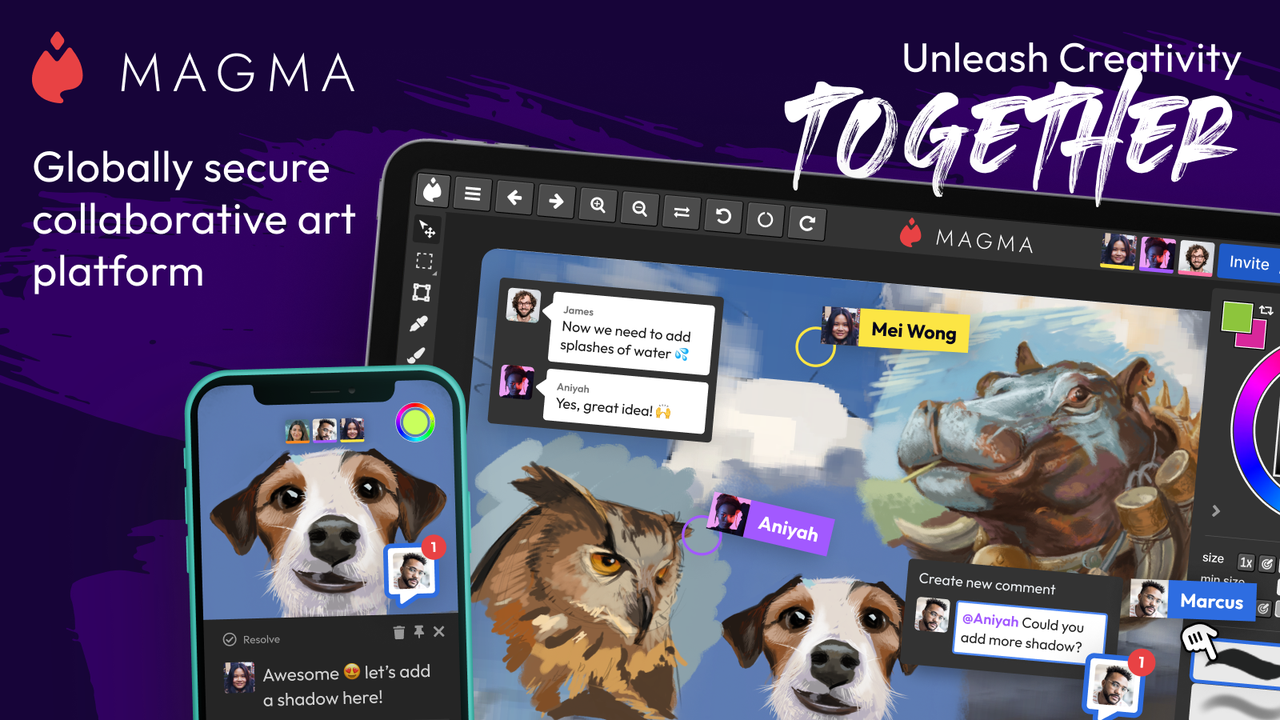
Figure 7: Magma official website diagram (official website)
Mahojin: IP Tokenization for AI Training Data
Mahojin focuses on the tokenization of AI training data, models, and outputs. Data owners can register their datasets as IP assets on Story and set licensing terms. This mechanism ensures that AI model creators can quickly and cost-effectively obtain high-quality training data while safeguarding the rights and interests of data providers.
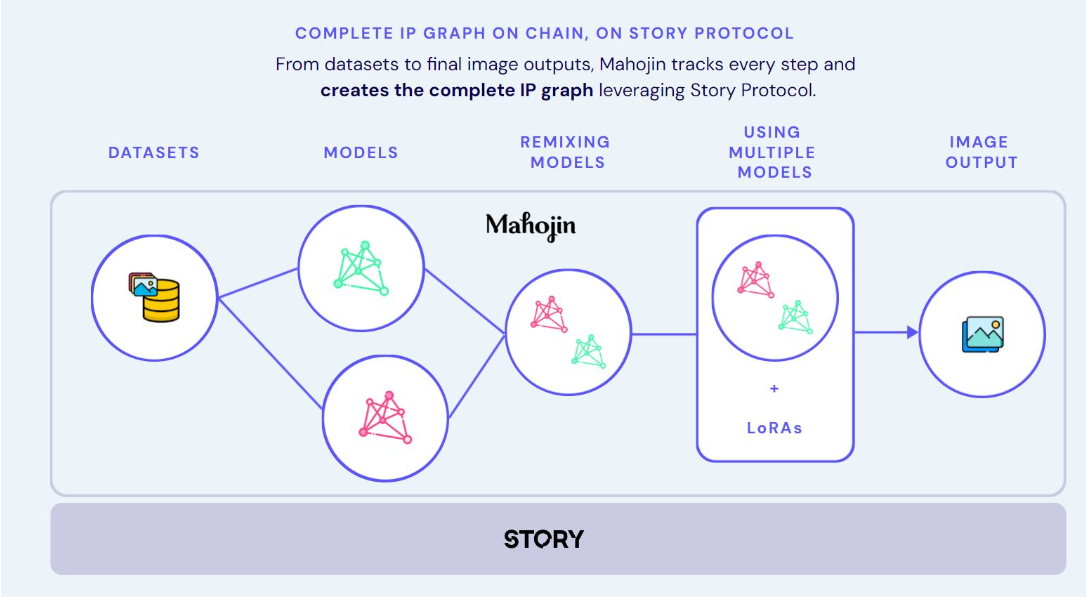
Figure 8: Mahojin combined with Story illustration (official website)
7. Summary
The IP field has a huge market waiting to be explored, and Story has taken an early layout in the IP market, giving it a certain first-mover advantage.
Story Network has received favor from capital, with total funding exceeding $120 million.
Story mainly consists of three parts: a universal first-layer blockchain, the Proof-of-Creativity protocol, and programmable IP licenses.
The Story project has performed well in terms of funding, technology, and application landing, but the IP market is not yet mature and still requires time to prove itself.
免责声明:本文章仅代表作者个人观点,不代表本平台的立场和观点。本文章仅供信息分享,不构成对任何人的任何投资建议。用户与作者之间的任何争议,与本平台无关。如网页中刊载的文章或图片涉及侵权,请提供相关的权利证明和身份证明发送邮件到support@aicoin.com,本平台相关工作人员将会进行核查。


