Next week, the financial markets are bound to be anything but calm, as the long-awaited interest rate cut policy of the Federal Reserve may be on the horizon. The latest data from Fedwatch shows that the probability of a significant interest rate cut by the Federal Reserve next week has suddenly risen to 50% in the swap market, while on September 12th, the probability was only 15%.
Influenced by the expectation of a rate cut by the Federal Reserve, global financial markets have begun to show signs of activity. Among them, the US stock market has made a strong comeback, with the S&P 500 and Nasdaq achieving their largest weekly gains of the year, rising by 4% and 6% respectively; the price of gold has surged significantly, with spot gold hitting consecutive historical highs.
However, many people may have overlooked another important financial event next week, which is the Bank of Japan's meeting on September 20th (Friday) to announce its interest rate decision, which may potentially bring about a "black swan" event. Most people probably haven't forgotten the unexpected interest rate hike by the Bank of Japan in early August, which triggered a global financial "Black Monday". This potential threat still looms.
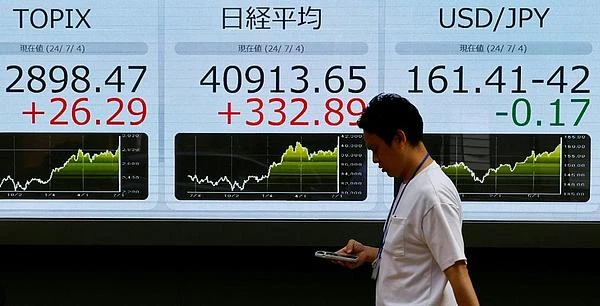
On Wednesday, September 11th, Bank of Japan board member Junchi Kawakami hinted that an interest rate hike is still under consideration. This may also be laying the groundwork for the decision at this Friday's meeting. Given the recent inflation data in Japan and some signals released by Bank of Japan officials, the market generally expects that there is still room for further interest rate hikes in Japan this year, with many believing it will happen in December.
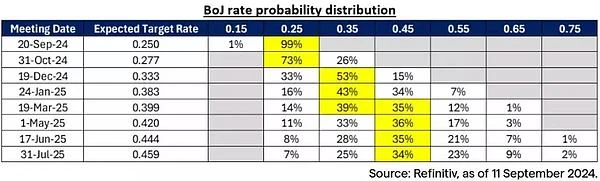
Why does an interest rate hike by the Bank of Japan have such a huge impact on the global financial markets? Japan has long implemented an ultra-loose monetary policy, and its low interest rate policy has far-reaching effects on the global financial system. As one of the major global economies, Japan's long-term low interest rates have led to a large amount of international capital borrowing in yen to seek higher investment opportunities globally and engage in arbitrage. A sudden interest rate hike by the Bank of Japan changes market expectations, prompting capital outflows and causing global asset repricing. In addition, Japan's government debt is massive, and an interest rate hike may increase the burden of debt repayment, thereby affecting the global bond market. At the same time, the yen exchange rate fluctuates as a result, creating a chain reaction in the international trade and investment environment. Therefore, changes in Japan's monetary policy not only have a profound impact on the domestic economy, but also create shocks to global capital flows and financial market stability.
The cryptocurrency industry is now fully integrated into the global financial system, especially after the approval of Bitcoin and Ethereum ETFs by the Federal Reserve. Therefore, the liquidity crisis brought about by the yen interest rate hike will inevitably also affect the cryptocurrency industry, as we could see from the sharp drop in Bitcoin following the last yen interest rate hike. On August 5th, due to the impact of the yen interest rate hike, Bitcoin plummeted by over 8% on that day, with the highest decline reaching 15%.
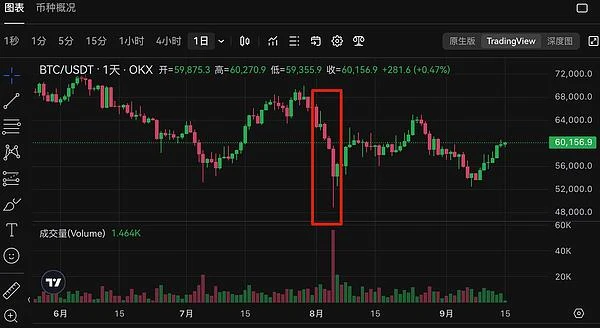
Therefore, the interest rate policy of the Bank of Japan next week will undoubtedly once again impact the cryptocurrency industry, so everyone should be prepared. However, in the long run, the cryptocurrency industry still has very good development prospects, so there is no need to be overly pessimistic.
免责声明:本文章仅代表作者个人观点,不代表本平台的立场和观点。本文章仅供信息分享,不构成对任何人的任何投资建议。用户与作者之间的任何争议,与本平台无关。如网页中刊载的文章或图片涉及侵权,请提供相关的权利证明和身份证明发送邮件到support@aicoin.com,本平台相关工作人员将会进行核查。


