The risk of the out-of-control cryptocurrency market, the Nigerian authorities have to be on guard?
By: Muddy Waters Blockchain
Contrary to common knowledge? Africa is a country leading in cryptocurrency trading! Over the past few years, Nigerians have been crazily joining the trend of digital currency.
Why?
Well, the economy has been a bit of a roller coaster, with inflation through the roof, and Nigerians are looking for new ways to handle their cash.
But the problem is the government has started to become suspicious, and they are taking action to control this booming digital scene. However, it's not just Nigeria. Across Africa, governments are trying to figure out how to harness digital currency without being left behind.
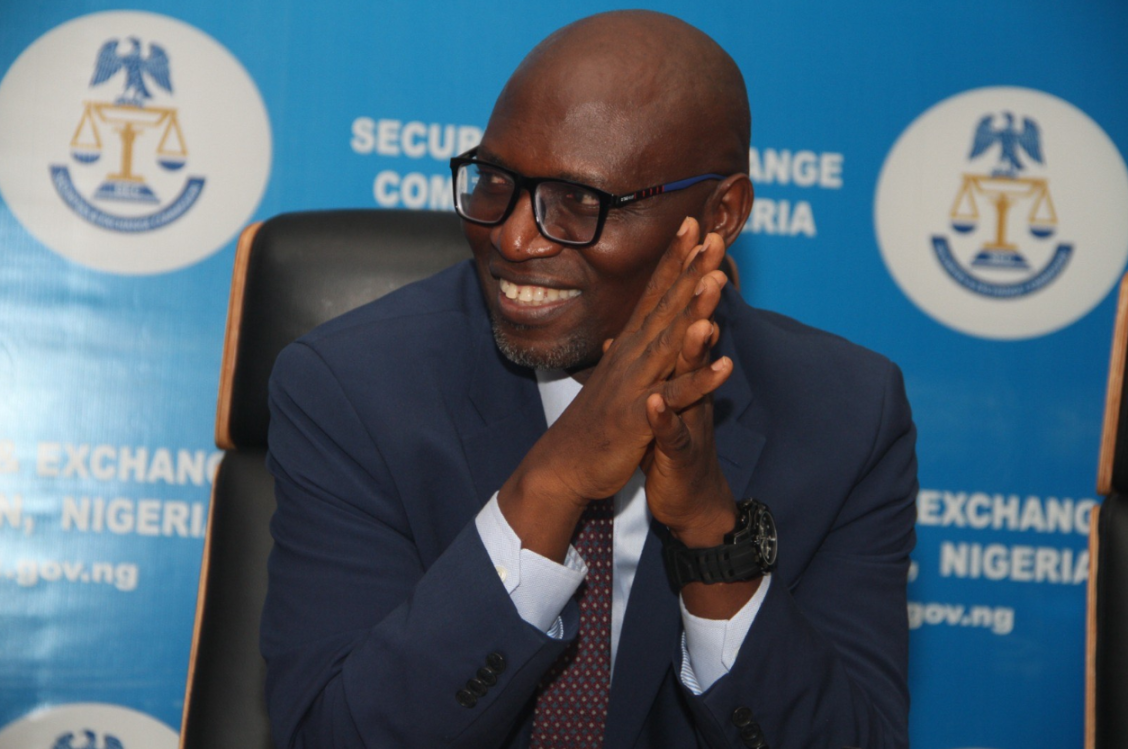
Nigeria's Growing Digital Market
More and more affluent countries are using digital currency, and contrary to popular belief, in 2022, Nigeria is the second largest user of digital currency. Google searches show that Ethiopians are very interested in digital currency. This is due to high inflation and people's lack of trust in formal banks. The Nigerian currency, the Naira, has lost a lot of value, which has also prompted people to use digital currency.
In 2021, the Central Bank of Nigeria attempted to stop the use of digital currency by banning banks from facilitating digital currency transactions. But this did not work. People continued to use digital currency through peer-to-peer transactions. By the end of 2022, the ban was lifted. Now, the Nigerian Securities and Exchange Commission (SEC) is responsible for digital regulations.
SEC's New Regulations on Digital Currency
SEC recently announced that it will crack down on digital currency exchanges that do not comply with its regulations. This is a significant change, as there was almost no control before. The U.S. Securities and Exchange Commission has a new project called ARIP, which has approved two local exchanges, Quidax and Busha. This means that these exchanges can now operate legally in Nigeria.
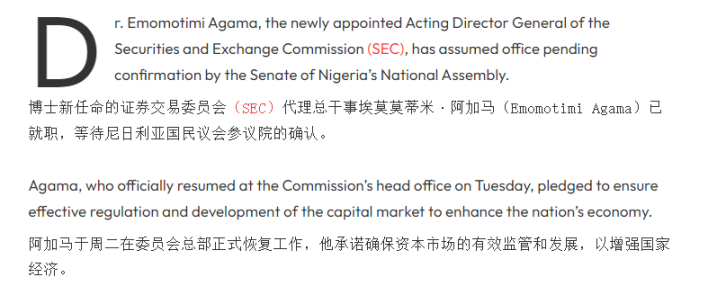
SEC plans to investigate all unregistered exchanges, including individuals and companies. They aim to protect investors and prevent digital currency from being used for money laundering and other illegal activities. Dr. Emomotimi Agama, head of the U.S. Securities and Exchange Commission, said they will soon begin enforcing these regulations. They hope to help the market grow while ensuring the safety of investors.
The Risk of the Out-of-Control Digital Market, Nigerian Authorities Have to Be on Guard?
While digital currency trading may be helpful, especially in countries with weak banking systems, an uncontrolled market can be dangerous. Digital currency can quickly change in value and is susceptible to fraud. SEC hopes to reduce these risks by establishing regulations. But some are concerned that too many regulations may stifle innovation in digital currency, which is most effective when less controlled.
In Nigeria, regulations may protect people from fraud and crime. But some are also concerned about how the government may use these regulations to control traditional currency. Cracking down on unregistered exchanges may cut off a vital way for many Ethiopians to handle funds.
How Does Nigeria Differ in Crypto from Other African Countries?
Different African countries handle digital currency differently, with Kenya and South Africa being more cautious and conducting extensive research before establishing regulations. Kenya, known for its use of mobile money, is interested in the technology behind digital currency but is concerned about its volatility, while South Africa has set up a group to study digital currency and its risks.
By allowing some exchanges to operate legally, Nigeria is trying to lead digital currency regulation in Africa. But this is a new field, and how Nigeria handles it may affect the use of digital currency across Africa. With its large population and many young people adept at using mobile phones, if Nigeria finds the right balance between regulations and new ideas, it could become a major digital hub in Africa.
The Future of Digital Currency in Nigeria and Africa
Digital currency offers benefits such as financial inclusion and protection against inflation. The Nigerian Securities and Exchange Commission is taking steps to formalize digital currency trading, creating opportunities for regulated exchanges. It is still unclear how Nigeria's regulatory framework will develop, but the approach of Nigeria's SEC may set a precedent for other African countries.
免责声明:本文章仅代表作者个人观点,不代表本平台的立场和观点。本文章仅供信息分享,不构成对任何人的任何投资建议。用户与作者之间的任何争议,与本平台无关。如网页中刊载的文章或图片涉及侵权,请提供相关的权利证明和身份证明发送邮件到support@aicoin.com,本平台相关工作人员将会进行核查。


