Web3 payments are on the rise in developing countries, indicating that our views and participation in financial transactions are undergoing tremendous changes.
Source: cryptoslate
Translation: Blockchain Knight
Driven by the continuous emergence of Web3 payment solutions, the world of financial transactions is undergoing a transformation.
While this evolution is evident globally, what is truly noteworthy is that the leaders of this revolution are developing countries.
The active exploration of Web3 payment solutions reflects the flexibility and adaptability of developing countries, placing them at the forefront of financial innovation.
From the revolutionary decentralized fund transfers to the democratization of payment tools, the rise of Web3 payments in developing countries heralds a tremendous shift in our views and participation in financial transactions.
In the unknown realm of "decentralization," developing countries are expected to surpass mature economies like the United States, ushering in a vibrant new era for the global economy.
For a long time, developing countries have faced many challenges in financial inclusion, such as expensive and inefficient economic systems.
Traditional transfer methods often incur transfer fees of 10% or higher, with cross-border payments taking up to 5 working days, and some individuals often lack a permanent address, government identification documents, or fixed income, limiting the convenience of transfers.
However, the emergence of Web3 technology is reshaping this landscape. It provides a new solution for those excluded from the traditional financial system.
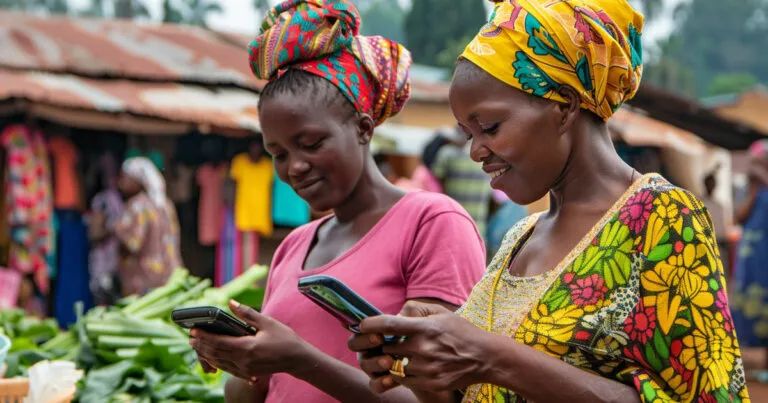
In developing countries, Web3 daily payments have completely changed the transfer methods on both macro and micro levels.
Whether it's buying meals, paying rent, or making cross-border remittances, Web3 daily payments not only simplify the process of remittance and receipt, but also reduce reliance on intermediary institutions, thereby alleviating the "customer identification" standards and delays associated with banks.
At the same time, using crypto assets for payments is beneficial for business owners, as the average return on investment (ROI) for businesses using crypto assets for payments has reached 327%, and the acquisition rate of new customers has also increased by 40%.
Looking globally, we can see successful implementations of Web3 transfers in developing economies, such as Brazil.
From P2P crypto asset exchanges to decentralized protocols facilitating cross-border transactions, these platforms provide unprecedented transparency and security, re-establishing people's trust in the previously suspicious financial systems.
In fact, the shift to Web3 payments brings great hope to developing countries. By eliminating barriers to financial access and promoting greater financial inclusion, it paves the way for economic empowerment and resilience.
As developing countries embrace the transformative potential of Web3 payments, they not only narrow the gap with developed countries but also become pioneers in the continuous development of global finance.
The rapid application of Web3 payments in developing countries is jointly driven by economic, regulatory, and grassroots factors, each of which promotes the acceleration of this trend.
Meanwhile, the impact of this application extends far beyond the borders of these countries, helping to reshape the development trends of the global economy and finance.
The adoption of Web3 payments in developing countries is not just for convenience, but to address urgent economic and social needs.
In countries like Venezuela and Argentina, plagued by severe inflation, traditional currencies are at risk, while crypto assets provide a lifeline for these countries, offering stable value storage and hedging against economic fluctuations.
Similarly, concerns about financial freedom and government overreach are driving the adoption of crypto assets in regions like Afghanistan, where the ability to freeze assets could have dire consequences, especially for marginalized groups such as women.
Due to the urgent need for alternative solutions, the regulatory environment in many developing countries is becoming increasingly favorable for the adoption of Web3 technology.
Recently, South Africa's FSCA clarified regulations on crypto assets, sparking efforts for formalization.
Recognizing the potential benefits of crypto assets, many members of the African Union continue to take proactive measures to establish frameworks supporting innovation and investment in this field.
By providing clarity and regulatory certainty, these measures encourage the vibrant development of the Web3 solution ecosystem, further driving its application and economic development.
Grassroots movements and entrepreneurial initiatives are playing an increasingly important role in driving global adoption of Web3 payments.
From community-driven projects to innovative startups, these initiatives demonstrate the bottom-up demand for alternative financial solutions that can address the unique needs and challenges faced by individuals and businesses.
The grassroots adoption of crypto assets in low- and middle-income (LMI) countries continues to surge, surpassing pre-bull market levels since the third quarter of 2020.
It is worth noting that 40% of the global population lives in low-income countries, more than any other single income category.
As these grassroots movements grow, they will lead the world into a new era of Web3 application. The Web3 revolution has only just begun, and the whole world is watching.
免责声明:本文章仅代表作者个人观点,不代表本平台的立场和观点。本文章仅供信息分享,不构成对任何人的任何投资建议。用户与作者之间的任何争议,与本平台无关。如网页中刊载的文章或图片涉及侵权,请提供相关的权利证明和身份证明发送邮件到support@aicoin.com,本平台相关工作人员将会进行核查。


