A 20,000-word long article reveals the insider story of the arrest of Binance executives: a game of power.

CN
1 year ago

Original author: Andy Greenberg

Original translation: BitpushNews Tracy, Alvin

As a U.S. federal agent, Tigran Gambaryan pioneered modern cryptocurrency investigations. Later at Binance, he found himself caught in the middle of the world’s largest cryptocurrency exchange and a government determined to make it pay.

A 20,000-word exposé reveals the inside story of the arrest of Binance executives: a game of power

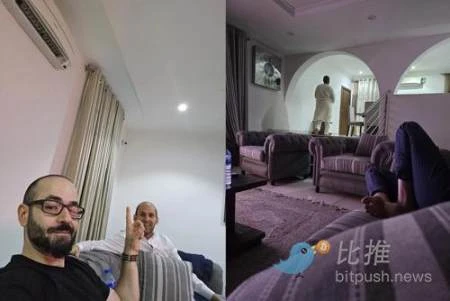
On the morning of March 23, 2024, Tigran Gambaryan woke up on a sofa in Abuja, Nigeria, having dozed off there since dawn prayers. The house around him, usually filled with the hum of nearby generators, was now eerily quiet. In that silence, the harsh reality of Gambaryan's situation flooded his mind every morning for nearly a month: he and his colleague Nadeem Anjarwalla at the cryptocurrency company Binance were being held hostage, unable to access their passports. Under military guard, they were confined in a compound owned by the Nigerian government, surrounded by barbed wire.

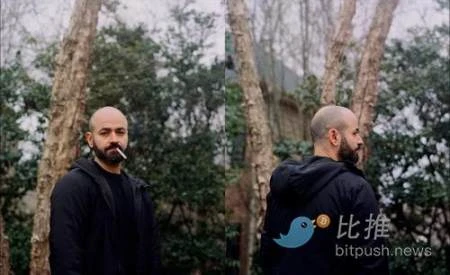
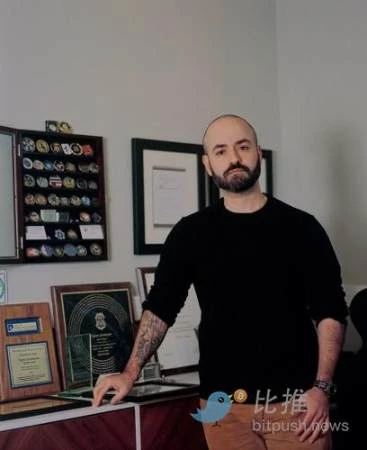
Gambaryan stood up from the sofa. The 39-year-old Armenian-American wore a white T-shirt, his solid, muscular build evident, with Orthodox tattoos covering his right arm. He usually kept his head shaved, but his neatly trimmed black beard had become short and scruffy after a month without shaving. Gambaryan found the compound's cook and asked if she could get him some cigarettes. Then he walked into the house's inner courtyard, starting to pace anxiously, calling his lawyer and other contacts at Binance, resuming his daily efforts to, in his words, "fucking solve this problem."

Just the day before, the two Binance employees and their cryptocurrency giant employer had been informed that they were about to be charged with tax evasion. The two seemed caught in the middle of a bureaucratic conflict between an irresponsible foreign government and one of the most controversial players in the cryptocurrency economy. Now, not only were they being forcibly detained with no end in sight, but they were also being accused of being criminals.

Gambaryan spent over two hours on the phone as the courtyard began to bake under the rising sun. When he finally hung up and returned inside, he still had not seen any sign of Anjarwalla. That morning before dawn, Anjarwalla had gone to a local mosque to pray, closely monitored by his guards. When Anjarwalla returned to the house, he told Gambaryan he was going back upstairs to sleep.

Several hours had passed since then, so Gambaryan went up to the second-floor bedroom to check on his colleague. He pushed open the door and found Anjarwalla seemingly asleep, his feet sticking out from under the sheets. Gambaryan called to him from the doorway but received no response. For a moment, he worried that Anjarwalla might be having another panic attack—the young British-Kenyan Binance executive had been sleeping on Gambaryan's bed for several days, too anxious to spend the night alone.

Gambaryan crossed the dark room—he had heard that the house's government custodians were behind on the electricity bill, and the generator was low on diesel, so power outages were common—and placed his hand on the blanket. Strangely, the blanket sank down, as if there were no real body underneath.

Gambaryan pulled back the sheets. He found a T-shirt stuffed with a pillow underneath. Looking down at the feet sticking out from the blanket, he now realized that it was actually a sock with a water bottle inside.

Gambaryan did not call out to Anjarwalla again, nor did he search the house. He already knew that his Binance colleague and cellmate had escaped. He also immediately realized that his situation was about to get worse. He did not yet know how much worse it would get—he would be thrown into a Nigerian prison, charged with money laundering, facing a potential 20-year sentence, and even as his health deteriorated to the brink of death, he would be denied medical care, all while being used as a pawn in a multi-billion dollar cryptocurrency extortion scheme.

At that moment, he simply sat silently on the bed, 6,000 miles from home, contemplating the fact that he was now completely alone.

A 20,000-word exposé reveals the inside story of the arrest of Binance executives: a game of power

TIGRAN GAMBARYAN's escalating nightmare in Nigeria is at least partially rooted in a conflict that has lasted fifteen years. Since the mysterious Satoshi Nakamoto unveiled Bitcoin to the world in 2009, cryptocurrency has promised a liberal utopia: a digital currency free from government control, immune to inflation, and able to cross borders with impunity, as if it existed in a completely different dimension. However, the reality today is that cryptocurrency has become a multi-trillion dollar industry, largely operated by companies with fancy offices and high-paid executives—companies that can be pressured by the laws and enforcement agencies of their respective countries just like any other industry in the real world.

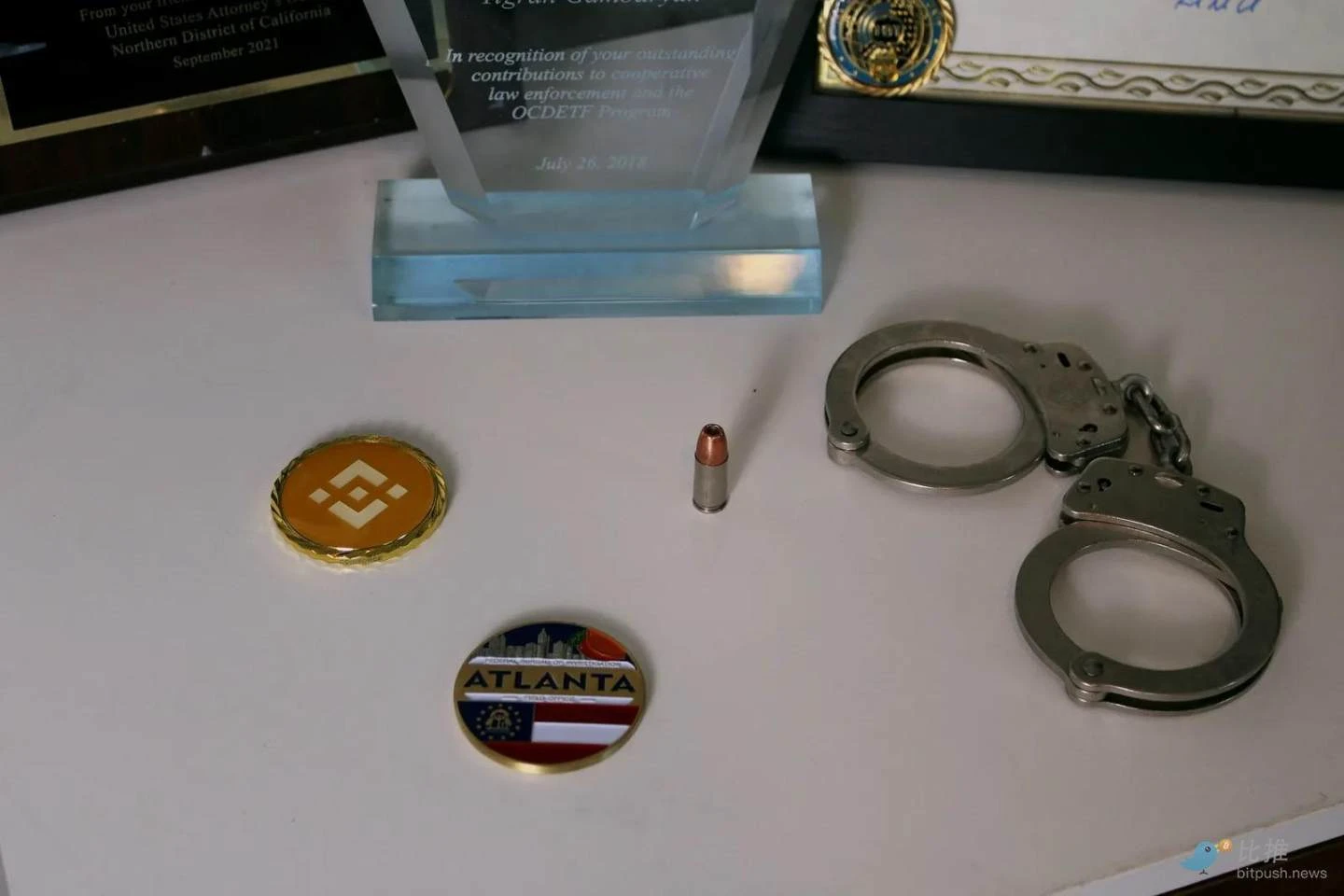
Before becoming one of the most well-known victims, a casualty of the chaotic fintech and global law enforcement conflict, Gambaryan embodied this conflict in another way: as one of the world’s most effective and innovative cryptocurrency law enforcement officers. Before joining Binance in 2021, Gambaryan spent a decade as a special agent with the IRS Criminal Investigation (IRS-CI), responsible for enforcing the tax agency's laws. During his time at IRS-CI, Gambaryan pioneered techniques for tracking cryptocurrency by analyzing the Bitcoin blockchain and identifying suspects. With this "follow the money" tactic, he dismantled one cybercrime scheme after another, completely upending the myth of Bitcoin's anonymity.

Starting in 2014, after the FBI shut down the Silk Road darknet drug market, it was Gambaryan who tracked Bitcoin to expose two corrupt federal agents who had stolen over $1 million while investigating the market—this was the first time blockchain evidence was included in a criminal indictment. In the following years, Gambaryan helped trace $500 million worth of Bitcoin stolen from the first cryptocurrency exchange, Mt. Gox, ultimately identifying a group of Russian hackers as the masterminds behind the theft.

In 2017, Gambaryan collaborated with blockchain analysis startup Chainalysis to create a secret Bitcoin tracking method that successfully located and helped the FBI seize the servers hosting AlphaBay, a darknet crime market estimated to be ten times the size of Silk Road. Months later, Gambaryan played a key role in dismantling "Welcome to Video," the largest child sexual abuse video network to date. This operation led to the arrest of 337 users worldwide and the rescue of 23 children.

Ultimately, in 2020, Gambaryan and another IRS-CI agent tracked and seized nearly 70,000 Bitcoins that had been stolen from Silk Road by a hacker years earlier. At today’s prices, these Bitcoins are worth $7 billion, marking the largest seizure of any currency type in history, flowing into the U.S. Treasury.

"The cases he was involved in covered almost all of the biggest cryptocurrency cases at the time," said former U.S. prosecutor Will Frentzen, who worked closely with Gambaryan and prosecuted the crimes Gambaryan exposed. "He was incredibly innovative in his investigations, using methods that many had not thought of, and he was very selfless in his approach to gaining credit." In the fight against cryptocurrency crime, Frentzen stated, "I don't think anyone has had a greater impact on this field than he has."

After that legendary career, Gambaryan turned to the private sector, making a decision that shocked many of his former government colleagues. He became the head of Binance's investigation team. Binance is a massive cryptocurrency exchange that handles billions of dollars in daily transactions and is known for its indifference to whether users are breaking the law.

When Gambaryan joined Binance in the fall of 2021, the company was already under investigation by the U.S. Department of Justice. Ultimately, the investigation revealed that Binance had processed billions of dollars in transactions that violated anti-money laundering laws and circumvented international sanctions against Iran, Cuba, Syria, and Russian-occupied areas of Ukraine. The Justice Department also noted that the company directly handled over $100 million in cryptocurrency transactions from the Russian darknet crime market Hydra, with some funds sourced from the sale of child sexual abuse materials and financing recognized terrorist organizations.

Some of Gambaryan's former colleagues privately expressed dissatisfaction with his career shift, even suggesting he had "sold out." However, Gambaryan firmly believed he was taking on the most important role of his career. As Binance began to clean up its image after years of rapid expansion, Gambaryan formed a new investigation team within the company, recruiting many top agents from IRS-CI and other law enforcement agencies around the world, and helped Binance engage in unprecedented cooperation with law enforcement.

Gambaryan stated that by analyzing transaction volumes exceeding those of the New York Stock Exchange, London Stock Exchange, and Tokyo Stock Exchange combined, his team successfully assisted in cracking cases involving child sexual abuse, terrorism, and organized crime globally. "We have assisted in thousands of cases worldwide. My influence at Binance may be greater than when I was in law enforcement," Gambaryan once told me, "I am very proud of the work we do, and if anyone questions my decision to join Binance, I am always willing to debate it."

Despite Gambaryan's efforts to help Binance build a more law-abiding image, this transformation cannot erase the company's history as an illegal exchange, nor can it shield it from the consequences of past criminal activities. In November 2023, U.S. Attorney General Merrick Garland announced at a press conference that Binance had agreed to pay $4.3 billion in fines and forfeitures, one of the largest corporate penalties in U.S. criminal justice history. The company's founder and CEO, Changpeng Zhao, was personally fined $150 million and sentenced to four months in prison.

The United States is not the only country dissatisfied with Binance. By early 2024, Nigeria also began accusing the company, not only for the compliance violations it admitted in its plea agreement in the U.S. but also for allegedly exacerbating the depreciation of the Nigerian currency, the naira. From late 2023 to early 2024, the naira depreciated by nearly 70%, prompting Nigerians to exchange their local currency for cryptocurrency, particularly stablecoins pegged to the U.S. dollar.

Amaka Anku, head of Africa at Eurasia Group, stated that the real reason for the naira's depreciation was the Nigerian government's relaxation of the exchange rate restrictions between the naira and the dollar under the new president Bola Tinubu, along with unexpectedly low foreign exchange reserves at the Central Bank of Nigeria. However, as the naira began to depreciate, cryptocurrency emerged as an unregulated means to offload naira, further intensifying the depreciation pressure. "You can't say that Binance or any crypto exchange directly caused this depreciation," Anku said, "but they certainly exacerbated the process."

For years, cryptocurrency advocates have envisioned that Satoshi's invention would provide a refuge for citizens of countries facing inflation crises. That moment has finally arrived, and the government of Nigeria, Africa's largest economy, is furious about it. In December 2023, a committee of the Nigerian Parliament requested that Binance executives attend a hearing in the capital, Abuja, to explain how they would rectify the alleged wrongs. In response to this situation, Binance assembled a Nigerian delegation, symbolizing the company's commitment to cooperating with global law enforcement and governments, with Tigran Gambaryan, a former federal agent and star investigator, naturally becoming a part of the delegation.

A 20,000-word exposé reveals the inside story of the arrest of Binance executives: a game of power

However, before resorting to extreme measures such as coercion and hostage-taking, the (criminals) first made demands for bribes.

In January 2023, Gambaryan had just arrived in Abuja a few days, and the trip was going smoothly. To express goodwill, he met with investigators from the Economic and Financial Crimes Commission (EFCC) of Nigeria. The EFCC is essentially the counterpart to the agency Gambaryan worked for at the IRS in the U.S., responsible for combating fraud and investigating government corruption, and they discussed the possibility of providing cryptocurrency investigation training for the agency's staff. He then attended a roundtable meeting with Binance executives and members of the Nigerian House of Representatives, where everyone amicably committed to resolving their differences.

When Gambaryan arrived in Nigeria, he was greeted at the airport by EFCC detective Olalekan Ogunjobi. Ogunjobi had read about Gambaryan's professional background and expressed great admiration for his legendary achievements as a federal agent. Throughout the trip, Ogunjobi dined with Gambaryan almost every night at the hotel—the Transcorp Hilton in Abuja. Gambaryan shared his experiences in cryptocurrency crime investigations, how to handle cases, and how to form task forces. They exchanged a wealth of investigative experiences. When Gambaryan gifted Ogunjobi a signed copy of his book "Tracers in the Dark," Ogunjobi requested his autograph.

One night, while Gambaryan was dining with Ogunjobi and a group of Binance colleagues, an employee of Binance received a call from the company's lawyer. After some pleasantries, the lawyer informed Gambaryan that the meeting with Nigerian officials was not as friendly as it appeared. The officials were now demanding $150 million to resolve Binance's issues in Nigeria—and they requested payment in cryptocurrency, to be directly transferred to the officials' crypto wallets. Even more shocking, the officials hinted that the Binance team could not leave Nigeria until the payment was made.

Gambaryan was taken aback; he didn't even have time to explain or say goodbye to Ogunjobi before hurriedly gathering the Binance employees and rushing back to the conference room at the Transcorp Hilton to discuss their next steps. Paying this obvious bribe would violate the U.S. Foreign Corrupt Practices Act. If they refused, they could be detained indefinitely. Ultimately, the team decided on a third option: to leave Nigeria immediately. They spent the entire night in the conference room urgently planning how to get all Binance employees on a flight as soon as possible, changing their flights to leave the next morning.

The next morning, the Binance team gathered on the second floor of the hotel, their luggage packed, and they tried to avoid passing through the lobby in case Nigerian officials were waiting there to stop them from leaving. They took taxis to the airport, nervously passed through security, and boarded their flight home without any issues. Everyone felt as if they had narrowly escaped a disaster.

Shortly after returning to the suburbs of Atlanta, Gambaryan received a call from Ogunjobi. Gambaryan stated that Ogunjobi was very disappointed with the bribery demands faced by the Binance team and was shocked by the actions of his Nigerian compatriots. Ogunjobi suggested that Gambaryan report the bribery incident to Nigerian authorities and request an anti-corruption investigation.

Eventually, Ogunjobi arranged for Gambaryan to speak with EFCC official Ahmad Sa’ad Abubakar. Abubakar was introduced as a close aide to Nigeria's National Security Advisor Nuhu Ribadu. Ogunjobi told Gambaryan that Ribadu was a corruption fighter who had even given a TEDx talk. Now, Ribadu invited Gambaryan to meet with him in person to address Binance's issues in Nigeria and thoroughly investigate the bribery incident.

Gambaryan relayed the situation from the call to his Binance colleagues, and it sounded like an opportunity to resolve the company's predicament in Nigeria. Thus, Binance executives and Gambaryan began to consider that perhaps he could use this invitation to return to Nigeria and untangle the increasingly complex relationship between the company and the Nigerian government. Although the idea seemed quite risky—after all, they had hastily fled the country just weeks earlier—Gambaryan believed he had received a friendly invitation from a powerful official and had the personal assurance of his friend Ogunjobi. Local Binance staff also informed Gambaryan that they had verified the solution and deemed it reliable.

Gambaryan shared the bribery incident and the invitation to return to Nigeria with his wife, Yuki. For her, the proposal was clearly very dangerous. She repeatedly urged Gambaryan not to go.

Now Gambaryan admits that he may have still retained the mindset of a U.S. federal agent at that time—a sense of responsibility and assurance in his identity. "I think that was part of what was left over from before: when duty calls, you go," he said. "I was asked to go."

So, in what he now considers one of the most unwise decisions of his life, Gambaryan packed his bags, kissed Yuki and their two children, and set off on the morning of February 25, boarding a flight to Abuja.

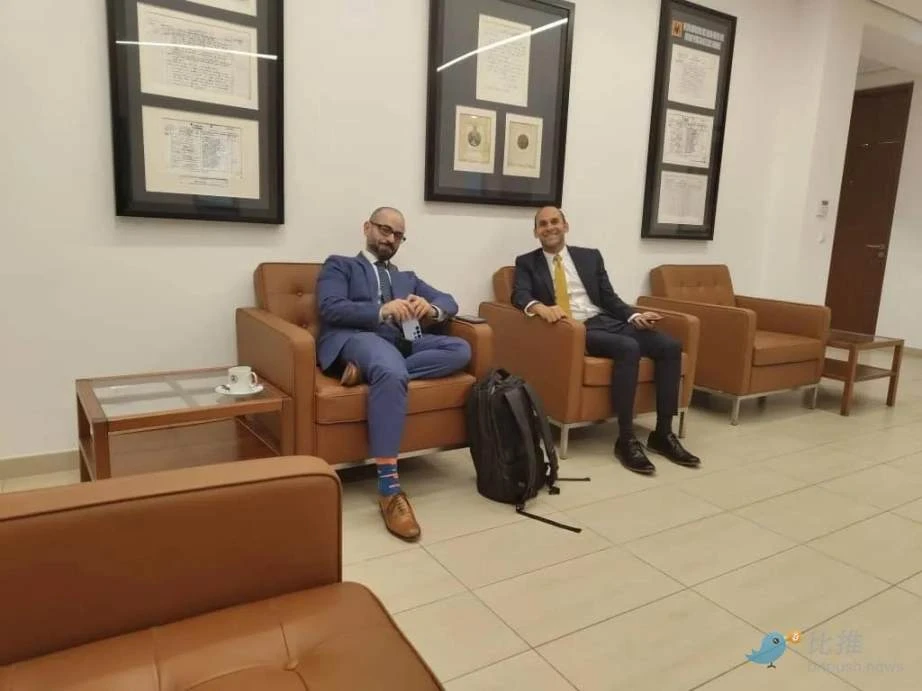
The second trip began with Ogunjobi picking him up at the airport, and Ogunjobi reassured him again during the drive to the Transcorp Hilton and at dinner. This time, Gambaryan was accompanied only by Binance's East Africa manager, Nadeem Anjarwalla, a recent Stanford graduate from Kenya with a baby at home in Nairobi.

However, when Gambaryan and Anjarwalla walked into the meeting with Nigerian officials the next day, they were surprised to find Abubakar accompanied by staff from the EFCC and the Central Bank of Nigeria. Soon, the focus of the meeting became clear: this was not a discussion about corruption in Nigeria. At the start of the meeting, Abubakar inquired about Binance's cooperation with Nigerian law enforcement, then quickly shifted the topic to the EFCC's request for transaction data from Binance's Nigerian users. Abubakar stated that Binance had only provided data from the past year, rather than all the data he had requested. Gambaryan felt ambushed; he explained that this was due to an oversight caused by the last-minute request and promised to provide all the necessary data as soon as possible. Although Abubakar appeared somewhat dissatisfied, the meeting continued, and everyone exchanged business cards amicably.

Gambaryan and Anjarwalla were left in the hallway, waiting for the next appointment. After a while, Anjarwalla went to the restroom. When he returned, he said he had heard angry voices from some officials in a nearby conference room, Gambaryan recalled him saying.

After waiting for nearly two hours, Ogunjobi returned and led them into another conference room. Gambaryan remembered that the officials in this room looked serious, and the atmosphere was unusually tense; everyone sat silently, seemingly waiting for someone to arrive—Gambaryan did not know who that person was. He noticed a look of shock on Ogunjobi's face, and he dared not make eye contact with him. "What on earth is happening?" he thought to himself.

At that moment, a middle-aged man named Hamma Adama Bello walked into the room. He was an EFCC official, dressed in a gray suit, with a scruffy beard, looking to be in his forties. He did not greet anyone or ask questions; he simply placed a folder on the table and immediately began to reprimand them, Gambaryan recalled him saying that Binance was "destroying our economy" and funding terrorism.

He then told Gambaryan and Anjarwalla what would happen: they would be taken back to the hotel to pack their bags and then transferred to another location, where more EFCC officials and some Central Bank personnel would be present, until Binance handed over all transaction data involving every Nigerian who had ever used the platform.

Gambaryan felt his heart race; he immediately stated that he did not have the authority and could not provide such a large volume of data—his purpose for this trip was, in fact, to report the bribery incident to Bello's agency.

Bello seemed somewhat surprised when he heard about the bribery, as if it was the first time he had encountered such a thing, but he quickly dismissed it. The meeting ended. Gambaryan hurriedly sent a text to Binance's Chief Compliance Officer Noah Perlman, informing him that they might be detained. Then, the officials took away their phones.

The two were taken to a black Land Cruiser outside, with dark-tinted windows. The SUV drove them back to the Transcorp Hilton hotel and brought them back to their respective rooms—Anjarwalla followed Bello and another official, while Gambaryan was escorted by Ogunjobi. They were told to pack their bags. Gambaryan remembered saying to Ogunjobi, "You know how bad this is, right?"

Ogunjobi could hardly look him in the eye as he replied, "I know, I know."

Then, the Land Cruiser took them to a large two-story house located within a walled compound, featuring marble floors, enough bedrooms for two Binance employees and several EFCC officials, and a private chef. Gambaryan later learned that this house was the government-designated residence of National Security Advisor Ribadu, but Ribadu chose to live in his own home, leaving this place for official use—as a temporary holding facility for them during this incident.

That night, Bello did not make any further demands. After eating Nigerian stew prepared by the house's chef, Gambaryan and Anjarwalla were told they could rest. Gambaryan lay in bed, feeling anxious and almost panicked, as he had no phone to contact the outside world, not even to tell his family where he was.

He finally fell asleep around 2 a.m., waking a few hours later to the sound of the morning muezzin's call to prayer. Overwhelmed with anxiety, he could no longer lie in bed, so he went out to the yard of the house to smoke and reflect on his current predicament: he had become a hostage, caught up in the financial crime he had dedicated his life to fighting.

But beyond the irony, what overwhelmed him was the complete sense of the unknown. "What will happen to me? What will Yuki go through?" he thought of his wife, filled with anxiety. "How long will we be here?"

Gambaryan stood in the yard smoking until the sun rose.

A 20,000-word exposé reveals the inside story of the arrest of Binance executives: a game of power

Then came the interrogation.

Breakfast was prepared by the chef, but Gambaryan had no appetite due to the stress. Bello sat down to talk with them, telling them that in order to be released, Binance must hand over all data regarding Nigerian users and prohibit peer-to-peer trading for Nigerian users. Peer-to-peer trading is a feature on the Binance platform that allows traders to post advertisements for selling cryptocurrencies based on exchange rates they partially control, which Nigerian officials believe has exacerbated the depreciation of the naira.

In addition to these demands, there was an unspoken requirement in the meeting room: Binance needed to pay a hefty sum. When Gambaryan and Anjarwalla were detained, the Nigerian side communicated secretly with Binance's upper management, informing the company that they were demanding billions of dollars. According to those involved in the negotiations, government officials even publicly stated to the BBC that the fine would be at least $10 billion, more than double the highest settlement amount Binance had ever paid in the U.S. (According to several insiders, Binance had indeed proposed a "deposit" plan based on the company's tax liabilities in Nigeria, but these proposals were never accepted. Meanwhile, the day after Gambaryan and Anjarwalla were detained, the U.S. embassy received a strange letter from the EFCC stating that Gambaryan was detained "merely for constructive dialogue" and that he was "voluntarily participating in these strategic discussions.")

Gambaryan repeatedly explained to Bello that he had no actual power in business decisions at Binance and could not meet his demands. Bello did not change his tone upon hearing this; he continued to lecture them at length about the damage Binance had caused to Nigeria and claimed that Nigeria deserved compensation. Gambaryan recalled that Bello sometimes boasted about the firearms he carried and showed photos of himself training with the FBI in Quantico, Virginia, seemingly to display his authority and connections to the U.S.

Ogunjobi also participated in the interrogation. Gambaryan said he was quieter and more respectful than Bello, but he was no longer the respectful student he once was. When Gambaryan mentioned that he had provided significant assistance to Nigerian law enforcement, Ogunjobi responded that he had seen comments on LinkedIn stating that Binance hired him merely to create a facade of legitimacy, which shocked Gambaryan, especially after their lengthy discussions prior.

Frustrated and unable to meet the Nigerian demands, Gambaryan requested to see a lawyer, contact the U.S. embassy, and have his phone returned, but all requests were denied, although he was allowed to make a phone call to his wife in the presence of guards.

In a standoff with the EFCC officials, Gambaryan told them that he would not eat unless he was allowed to see a lawyer and contact the embassy. He began a hunger strike, trapped in this house, guarded by government personnel, spending his days sitting on the sofa watching Nigerian television. After five days of fasting, the officials finally relented.

He and Anjarwalla were returned their phones but were told not to contact the media, and their passports were confiscated. They were then allowed to meet with a local lawyer hired by Binance. After a week of detention, Gambaryan was taken to a Nigerian government building to meet with local diplomats. The diplomats stated they would monitor Gambaryan's situation, but so far, there was no way to secure his freedom.

Then, they began to live a "Groundhog Day" routine, as Gambaryan later told his wife, going around in circles. The house was spacious and clean but dilapidated, with a leaking roof and many days without electricity. Gambaryan became friends with the chef and some of the guards, watching pirated episodes of "Avatar: The Last Airbender" with them. Anjarwalla began doing yoga every day and drinking smoothies made by the chef.

Anjarwalla seemed to struggle more with the anxiety of their captivity than Gambaryan; he was upset about missing his son's first birthday. The Nigerian side had confiscated his British passport, but they did not realize that Anjarwalla also held a Kenyan passport. He joked with Gambaryan about escaping, but Gambaryan stated he had never seriously considered it. He reminded himself that Yuki had warned him not to "do anything foolish," and he did not intend to take any risks.

One day, Anjarwalla lay on the sofa telling Gambaryan that he felt unwell and was cold all over. Gambaryan covered him with many blankets, but he continued to shiver. Eventually, the Nigerian side took Anjarwalla and Gambaryan to the hospital in another black Land Cruiser, where Anjarwalla was tested for malaria. The test result was negative, and the doctor told Anjarwalla that he was merely experiencing a panic attack. From then on, Gambaryan said, Anjarwalla would sleep next to him every night because he was too afraid to sleep alone.

In the second week of Gambaryan and Anjarwalla's captivity, Binance agreed to the demands, shutting down its peer-to-peer trading feature in Nigeria and withdrawing all naira transactions. EFCC officials told Gambaryan and Anjarwalla to prepare to pack their bags for their release. Upon hearing this good news, the two took it seriously; Gambaryan even filmed a video of the house on his phone as a memento of this bizarre life.

However, just before they were about to be released, the government personnel took them to the EFCC office. The agency's chairman demanded confirmation that Binance had handed over all data regarding Nigerian users. When he learned that Binance had not provided it, he immediately revoked the release decision and sent the two back to the hotel.

At this point, the cryptocurrency website DLNews first reported that two Binance executives had been detained in Nigeria, although their names were not disclosed. A few days later, The Wall Street Journal and Wired also confirmed that the detained individuals were Anjarwalla and Gambaryan.

Bello was furious about the news leak, and Gambaryan recalled that Bello blamed him and Anjarwalla for it. Bello told them that if they handed over the data requested by the government, they would be granted freedom. Gambaryan lost his patience and retorted to Bello, "Do you want me to pull it out of my right pocket or my left pocket?" He recalled standing up and exaggeratedly pulling something out of one pocket and then the other. "I have no way to provide that data."

Weeks passed, and negotiations remained stalled. Ramadan began, and Gambaryan would wake up every morning to pray with Anjarwalla and fast with him during the day, expressing friendly solidarity.

However, after nearly a month of hardship, things suddenly changed. One morning, Gambaryan woke up to see that Anjarwalla had returned from the mosque. When he went to look for his companion, he found only a shirt stuffed into a pillow and a water bottle in a sock left on the bed—Anjarwalla had escaped.

Later, Gambaryan learned that Anjarwalla had managed to board a flight out of Nigeria. He speculated that Anjarwalla might have somehow jumped over the compound's wall, successfully avoiding the guards—who often slept in the mornings—and then paid for a taxi to the airport, ultimately boarding a plane with his second passport.

Gambaryan realized that his situation in Nigeria was about to change dramatically. He went out to the yard and recorded a video message for his wife Yuki and Binance colleagues, speaking to the camera as he walked.

"I have been detained by the Nigerian government for a month, and I don't know what will happen after today," he said calmly and controlled. "I haven't done anything wrong. I have been a police officer my whole life. I just ask the Nigerian government to let me go and request help from the U.S. government. I need your help, everyone. I don't know if I can get out of this without your assistance. Please help me."

When the Nigerian authorities learned that Anjarwalla had escaped, the guards and personnel took Gambaryan's phone and began a frantic search of the house. Soon, they disappeared and were replaced by new personnel.

Sensing that something more serious might happen next, Gambaryan managed to persuade a Nigerian to quietly lend him a phone, and then went to the bathroom to call his wife, reaching Yuki late at night. Gambaryan said it was the first time in their 17-year relationship that he told her he felt scared. Yuki cried; she went into the closet to talk to him, trying to avoid waking the children. Then, Gambaryan suddenly hung up the phone—someone was coming.

A military officer told Gambaryan to pack his bags, saying he would be released. Although he knew this couldn't be true, he packed his things and walked to the car outside, where he saw Ogunjobi sitting inside. When Gambaryan asked Ogunjobi where they were going, Ogunjobi vaguely replied that he might be going home, but not today—then silently stared at his phone.

The car eventually drove into the EFCC compound, not stopping near the headquarters but heading directly to the detention facility. Gambaryan angrily cursed at the guards, no longer caring about offending them.

As he was taken into the EFCC detention building, he saw a group of people who had once guarded him in the safe house now locked up in cells, being interrogated for possibly allowing Anjarwalla to escape, and even suspected of collusion with him. Gambaryan was then placed in a cell by himself.

As Gambaryan described, the cell was like a "box" with no windows, only a cold shower with a timer and an out-of-place Posturepedic mattress. The room was crawling with up to half a dozen cockroaches of varying sizes. Despite the sweltering heat in Abuja, the cell had no air conditioning or ventilation, only what Gambaryan remembered as "the loudest fan in the world" running day and night. "I can still hear that damn fan," he said.

Locked alone in that cell, Gambaryan said he began to feel detached from his body, the environment, and this hellish situation. On the first night, he didn't even think about his family; his mind was blank, and he didn't notice the cockroaches in the room.

By the next morning, Gambaryan had gone over 24 hours without food. Another detainee gave him some cookies. He quickly realized that his survival depended on Ogunjobi, who would come every few days to bring him food and sometimes let him use a phone during his brief releases from solitary confinement. Soon, Gambaryan's former guards also began sharing meals sent by their families with him, while Ogunjobi's visits became less frequent, and he sometimes even refused to let him use the phone. The young man who had once picked Gambaryan up at the airport, full of admiration for his work, seemed to have completely changed. "You could almost say he enjoyed having control over me," Gambaryan said.

The Nigerians who had been his guards just days before had now become Gambaryan's only friends. He taught a young EFCC staff member how to play chess, and they would often play together during their brief free moments before being locked back in their cells.

A few days after being locked up, Gambaryan's lawyer came to see him and informed him that, in addition to the original tax evasion charges, he was now also being accused of money laundering. These new charges meant he could face 20 years in prison.

In the second week at the detention center, Gambaryan's son turned 5 years old. On his birthday, Gambaryan was allowed to use the EFCC's phone to call his family and smoked a few cigarettes, which were otherwise not permitted. He spoke with his wife for 20 minutes—he said she was "falling apart" from anxiety—and then chatted with the children. His son still didn't understand why he wasn't home. Yuki told Gambaryan that their son had started crying for him at unexpected times and often sat in his office chair at home. Gambaryan explained to his daughter that he was still resolving legal issues with the Nigerian government. He later learned that his daughter had looked up his name two weeks after his detention, saw the news, and knew more than she let on.

Aside from occasional meetings with fellow inmates, Gambaryan had two books to pass the time—one was a Dan Brown novel given to him by an EFCC staff member, and the other was a Percy Jackson young adult novel brought by his lawyer. He had almost nothing else to keep himself busy. His thoughts cycled between angry curses, self-blame, and a sense of emptiness.

"This is pure torture," Gambaryan said. "I know if I stay there, I will definitely go insane."

A 20,000-word exposé reveals the inside story of the arrest of Binance executives: a game of power

Despite feeling extremely lonely, Gambaryan had not been forgotten. While he was in the EFCC cell, a loose group of friends and supporters began responding to his desperate call for help in the video. However, he soon realized that to gain his freedom, real help would not come from the Biden administration.

Internally at Binance, the first text Gambaryan sent about his detention immediately triggered endless crisis response meetings, hiring lawyers and consultants, and contacting any government officials in Nigeria who might have influence. Will Frentzen, a former U.S. prosecutor from the Bay Area who had handled many of Gambaryan's major cases, took on Gambaryan's case after moving to the private firm Morrison Foerster and became his private defense attorney. Gambaryan's former colleague Patrick Hillman, who had worked on crisis response with former Florida Congressman Connie Mack, understood Mack's experience in handling hostage situations. Mack agreed to lobby for Gambaryan with his contacts in the legislative branch. Gambaryan's old colleagues at the FBI also immediately began to apply pressure, urging the FBI to push for Gambaryan's release.

However, at high levels of the U.S. government, some supporters of Gambaryan indicated that their appeals were met with caution. "From the first day Gambaryan was detained, State Department staff have been working to ensure his safety, health, and legal assistance, and have pushed for his release after he was criminally charged," a senior State Department official told WIRED in an interview, requesting anonymity per department policy. However, according to several people involved in the matter, the Biden administration initially seemed to take an ambiguous stance on Gambaryan. After all, Binance had just agreed to pay a hefty fine to the Justice Department, and the government's attitude toward the entire cryptocurrency industry was not friendly, with Binance's reputation being "toxic"—as described by one of Gambaryan's supporters.

"They felt that perhaps the Nigerian side indeed had a case," Frentzen said. "They weren't sure what Tigran had done there. So they all chose to step back."

Gambaryan found himself in a dire situation in Nigeria at an extremely dangerous geopolitical moment. The U.S. ambassador to Nigeria retired in 2023, and the new ambassador would not officially take office until May 2024. Meanwhile, Niger and Chad requested the U.S. to withdraw its troops from both countries as they were strengthening ties with Russia, while Nigeria remained a key military ally for the U.S. in the region. This made negotiations to rescue Gambaryan more complex than with other countries that had wrongfully detained U.S. citizens, such as Russia or Iran. "Nigeria is the only option left, and they know that," Frentzen said. "So the timing is really bad. Tigran is truly one of the most unfortunate people in the world."

When Gambaryan was held in the guest room, it might have been clearer diplomatically that he was a hostage, as former Congressman Mack stated that he had lobbied for Gambaryan's release. However, the criminal charges against him complicated the situation. "The U.S. government went along with that narrative," Mack said, "they wanted to let the legal process unfold on its own."

Frentzen and his senior colleague at Morrison Foerster, former General Counsel of the National Intelligence Council Robert Litt, stated that they began reaching out to the White House to explain how weak the criminal case against Gambaryan was. In the over 300 pages of "evidence" submitted by the Nigerian prosecution, only two pages mentioned Gambaryan himself: one page showed an email indicating he worked at Binance; the other was a scanned copy of his business card.

Despite this, in the following months, the U.S. government still did not intervene in Gambaryan's criminal prosecution. For Frentzen, this was a shocking situation: a former IRS agent who had worked for the federal government for many years and had handled many significant cryptocurrency criminal cases and asset forfeiture cases was receiving only silence from the government in what appeared to be a cryptocurrency extortion case.

"This man helped the U.S. recover billions of dollars," Frentzen recalled, "and we can't get him out of this predicament in Nigeria?"

In early April, Gambaryan was taken to court for a hearing. He wore a black T-shirt and dark green pants, publicly displayed as a symbol of the evil force destroying the Nigerian economy. As he sat in a red armchair listening to the charges, local and international media swarmed in, with cameras sometimes just a few feet from his face, making it nearly impossible for him to hide his anger and humiliation. "I felt like a circus animal," he said.

During this hearing, the next hearing, and subsequent court documents, the prosecutors argued that if Gambaryan were granted bail, he would likely flee, citing Anjarwalla's escape as an example. They oddly emphasized that Gambaryan was born in Armenia, even though he left the country with his family when he was 9 years old. More absurdly, they claimed that Gambaryan had conspired with other inmates at the EFCC detention center to escape using a stand-in, which Gambaryan stated was a completely ridiculous lie.

At one point, the prosecutor explicitly stated that detaining Gambaryan was crucial for the Nigerian government, serving as leverage in their pressure on Binance. "The first defendant, Binance, is virtually operational," the prosecutor told the judge, "the only thing we can grasp is this defendant."

The judge refused to grant Gambaryan bail, deciding to continue his detention. After two weeks of solitary confinement, he was transferred to a real prison—Kuje Prison.

The guards—including the consistent Ogunjobi—took Gambaryan onto a van. Ogunjobi returned his cigarettes to him, and during the hour-long drive from downtown Abuja, Gambaryan smoked almost continuously, passing through an area that looked like a slum on the outskirts of the city. During this journey, Gambaryan was allowed to call Yuki and some Binance executives, some of whom had not heard from him for weeks.

This trip to Kuje Prison, which passed by a prison known for its poor conditions and for having housed Boko Haram suspects, left Gambaryan feeling numb, "cut off from the outside world," and completely resigned to his fate. "I just live hour by hour, minute by minute," he said.

When they arrived and passed through the prison gates, Gambaryan saw the low buildings for the first time, their walls painted a light yellow, many of which were still destroyed from an ISIS attack nearly two years ago that allowed over 800 inmates to escape. Gambaryan's EFCC guards took him into the prison and brought him to the warden's office. He later learned that the warden was instructed to keep a close watch on him by National Security Advisor Ribadu.

Gambaryan was then taken to the "isolation area," a unit specifically set up for high-risk prisoners and VIP inmates willing to pay extra for special treatment. This 6×10 foot room had a toilet, a metal bed frame with what Gambaryan described as a "simple blanket" as a mattress, and a window with metal bars. Compared to the EFCC dungeon, this room was an "upgrade": he had sunlight and fresh air—though polluted by a garbage fire a few hundred meters away—and could see trees, which were home to flocks of bats that flew in every night.

On his first night in prison, it rained, and a cool breeze blew in through the window. "Although the environment is poor," Gambaryan said, "I felt like I was in heaven."

Soon after, Gambaryan got to know his neighbors. One was a cousin of the Nigerian Vice President, another was a suspect in a fraud case awaiting extradition to the U.S. involving $100 million; the third was former Nigerian Deputy Police Chief Abba Kyari, who was indicted by the U.S. for bribery, although Nigeria had refused the extradition request. Gambaryan believed Kyari's case was more about him having offended some corrupt Nigerian officials.

Gambaryan stated that Kyari had significant influence in the prison, with other inmates essentially working for him. Kyari's wife would bring home-cooked meals for everyone, including the guards. Gambaryan particularly enjoyed a type of dumpling from northern Nigeria that Kyari's wife would make extra for him. In return, he would share takeout from the fast-food restaurant Kilimanjaro that his lawyer brought, which Kyari especially liked, particularly their Scotch eggs.

Gambaryan's neighbors taught him the unwritten rules of prison life: how to obtain a phone, how to avoid conflicts with prison staff, and how to evade violence from other inmates. Gambaryan insisted that he never bribed the guards—despite them sometimes asking for astronomical sums of tens of thousands of dollars—but due to his close relationship with Kyari, he still received protection. "He was like my Red," Gambaryan said, comparing Kyari to Morgan Freeman's character in "The Shawshank Redemption." "He was the key to my survival."

In the following weeks, Gambaryan's case continued, and he was regularly taken back to Abuja for hearings, where the judge always seemed to side with the prosecution. On May 17—his 40th birthday—he attended another hearing, and his bail request was ultimately denied. That evening, lawyers brought a large cake paid for by Binance to Kuje Prison, which he shared with his neighbors and the guards.

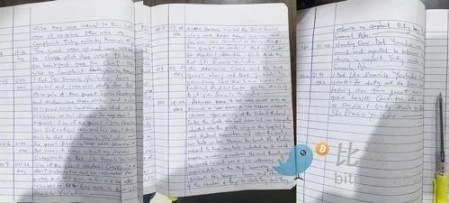
Every night, Gambaryan would be locked in his cell early, usually starting at 7 PM, even several hours earlier than other inmates, while being watched by a guard who recorded his every move in a notebook, all under the orders of the National Security Advisor. He discovered he could do pull-ups on the windowsill at the entrance to the isolation area courtyard to exercise. Despite the large cockroaches, geckos, and even scorpions in the cell—he learned to shake out his shoes for the small beige scorpions before putting them on—he gradually adapted to prison life.

Sometimes, he would wake from dreams, thinking he was still outside, only to suddenly realize he was in that small, dirty cell, and then he would get up from the bed and anxiously pace in the cramped space until around 6 AM when the guard would let him out. However, eventually, Gambaryan stated that his dreams also became filled with prison imagery.

One afternoon in May, Gambaryan began to feel unwell during a meeting with his lawyer. He returned to his cell and lay down, spending the entire night vomiting. He guessed he might have food poisoning, but the guards conducted a blood test, which revealed he had malaria. The guards demanded cash from him to buy IV fluids, which were hung on a nail on the wall of the cell, and they also gave him an anti-malarial injection.

The next morning, Gambaryan had a court hearing, and he told the guards he was too weak to even walk, but they still removed the IV and forcibly put him in the car, claiming it was an official order. Upon arriving at the court, he barely climbed the long steps, but once inside the courtroom, his vision began to blur, and the room started to spin. Next, he collapsed to the ground. The guards helped him stand, and he slumped into a chair while the lawyers requested the court order that he be taken to the hospital.

The judge issued a hospitalization order, but Gambaryan was not sent directly to a medical facility; instead, he was returned to Kuje Prison, as the court, his lawyers, the prison, the National Security Advisor's office, and the U.S. State Department discussed whether to temporarily release him due to concerns about his escape risk. For the next 10 days, Gambaryan lay in his cell, unable to eat or stand. Eventually, he was sent to Nizamiye Hospital in Abuja, where he underwent a chest X-ray and received a simple check-up with antibiotics prescribed, with the doctor stating he was fine, but then he was sent back to Kuje Prison without any explanation.

In fact, Gambaryan's condition was more serious than before. His friend, Turkish-Canadian Chagri Poyraz, ultimately had to fly to Ankara to inquire about Gambaryan's hospital records from the Turkish government, only to learn that his X-ray showed he had multiple severe bacterial lung infections. Months later, the judge in the case also summoned Kuje Prison's medical director, Abraham Ehizojie, to explain why the hospitalization order had not been followed. The prosecutor presented Gambaryan's medical records, claiming he refused treatment and requested to be sent back to prison, but Gambaryan firmly denied this.

After returning to his cell in Kuje Prison, Gambaryan suffered from a high fever for several days, with a temperature reaching 104 degrees Fahrenheit. During his brief hospitalization, the guards searched his cell and discovered the phone he had hidden, leading to his complete isolation, cutting off all contact with the outside world, until his neighbors helped him obtain a new phone. His body grew weaker, his breathing became difficult, and his temperature remained high. Gambaryan gradually felt that he might not survive. For a time, he called Will Frentzen to tell him he might be in critical condition. However, the officials at Kuje Prison still refused to send him back to the hospital.

Despite this, Gambaryan did not die. But he lay in bed for nearly a month until he could finally stand up and start eating again. He had lost nearly 30 pounds since entering prison.

One day, while he was recovering in his cell, the guards told him he had visitors. Although he still felt weak, he slowly walked to the front office of the prison. Upon entering, he saw two members of the U.S. Congress—French Hill and Chrissy Houlahan, from two different parties. Gambaryan could hardly believe they were real—these were the first Americans he had seen in months, aside from the occasional low-level State Department officials who visited him.

For the next 25 minutes, they listened to Gambaryan describe the harsh conditions of the prison and his near-death experiences with malaria and later pneumonia. Hill recalled that Gambaryan spoke so softly that the two members had to lean in to hear him, especially over the noise of the fan.

At times, Gambaryan's eyes filled with tears as the pain of loneliness and the fear of impending death overwhelmed him. "He looked like a sick, weak, emotionally broken person who really needed a hug," Hill said. The two members each gave him a hug and expressed that they would work for his release.

Then, he was taken back to his cell.

The next day, June 20, Hill and Houlahan recorded a video on the tarmac at Abuja Airport. "We have requested our embassy to advocate for Tigran's humanitarian release, considering the harsh conditions of the prison, his innocence, and his health status," Hill said to the camera. "We hope he can go home, and the rest can be handled by Binance and the Nigerians themselves."

Connie Mack's conversations with his old friends had an effect: during a subcommittee hearing on the detention of American citizens by foreign governments, Gambaryan's Georgia Congressman Rich McCormick proposed that Gambaryan's case be treated as a hostage situation. He cited the Levinson Act, which requires the U.S. government to assist citizens wrongfully detained. "Is U.S. diplomatic intervention necessary to ensure the release of detainees? Absolutely, absolutely," McCormick said during the hearing. "This person deserves better treatment."

Meanwhile, 16 Republican lawmakers signed a letter urging the White House to treat Gambaryan's case as a hostage situation. Weeks later, McCormick brought this request forward as a congressional resolution. Over a hundred former federal agents and prosecutors also signed another letter urging the State Department to intensify efforts to resolve the issue.

According to multiple sources, FBI Director Christopher Wray mentioned Gambaryan's case during a meeting with President Tinubu in Nigeria in June. Subsequently, the Nigerian tax authority, FIRS, dropped the tax evasion charges against Gambaryan. However, the more serious money laundering charges brought by the EFCC remained, still threatening him with decades of imprisonment.

For months, Gambaryan's supporters had hoped that Nigeria would eventually reach an agreement with Binance to end the prosecution against him. However, representatives from Binance indicated that by that time, they seemed unable to propose terms that would interest the Nigerian side, which had even stopped hinting at accepting any payments. Whenever they felt close to reaching an agreement, the demands would change, relevant officials would disappear, and the deal would fall apart. "It's like the story of Lucy and the football," said Deborah Curtis, a lawyer at Arnold & Porter and former Deputy General Counsel of the CIA, who was providing legal services for Binance at the time.

As summer passed, Gambaryan's supporters began to believe that negotiations between Nigeria and Binance had reached a deadlock, and that the criminal case had progressed far enough that Binance alone could not secure Gambaryan's freedom. "It became clear," Frentzen said, "that this could only be resolved through the U.S. government—otherwise, there was no hope."

Meanwhile, Gambaryan's health deteriorated again. Lying for long periods on a metal bed frame exacerbated an old back injury he had sustained over a decade ago during IRS-CI training, which was later diagnosed as a herniated disc—where the outer layer of soft tissue between the vertebrae ruptures, causing the inner cushion to protrude, compressing nerves and causing severe, persistent pain.

By August, Gambaryan texted me that he was "almost paralyzed." He had not gotten out of bed for several weeks, and due to a lack of movement, he was also taking blood thinners to prevent leg clots. He wrote that every night he was in too much pain to sleep, usually dozing off only around five or six in the morning, and he couldn't even read. Occasionally, he would call his family to chat with his daughter, listening to her play a Japanese role-playing game called "Omori" on the computer he had set up for her, until she went to sleep in Atlanta. Then, several hours later, he would finally doze off.

Despite the visits from congressional members and the growing calls for his release, Gambaryan seemed to be in a state of near despair, at his lowest point in prison.

"I try to act strong in front of Yuki and the kids, but things are really bad," he wrote to me. "I'm really in a dark place right now."

A few days later, a video appeared on X platform showing Gambaryan limping into the courtroom with the aid of crutches, dragging one foot. In the video, he sought help from a guard in the hallway, but the guard even refused his request. Gambaryan later told me that court staff had been instructed not to provide any assistance and were not allowed to let him use a wheelchair, fearing it would elicit public sympathy.

"This is so fucking terrible! Why can't I use a wheelchair?" Gambaryan shouted angrily in the video. "I'm an innocent person!"

"I am a fucking human!" Gambaryan continued, his voice nearly choking. He struggled to take a few steps with his crutches, shaking his head in disbelief, then leaned against the wall to rest. "I can't do this at all."

If the directive at the time was to prevent Gambaryan from eliciting sympathy upon entering the courtroom, this approach completely backfired. The video quickly spread online and was viewed millions of times.

By the fall of 2024, the U.S. government seemed to finally reach a consensus that it was time to bring Gambaryan home. In September, the House Foreign Affairs Committee passed a bipartisan resolution approving McCormick's proposal to prioritize Gambaryan's case. "I urge the State Department, I urge President Biden: to put more pressure on the Nigerian government," Congressman Hill said during the hearing. "It must be recognized that an American citizen has been kidnapped and detained by a friendly country, completely unrelated to him."

Some of Gambaryan's supporters revealed that they had heard the new U.S. ambassador to Nigeria had also begun frequently raising Gambaryan's situation with Nigerian officials, even President Tinubu, to the point that at least one minister had blocked the ambassador on WhatsApp.

During the UN General Assembly in late September, the U.S. ambassador to the UN mentioned Gambaryan's case during a meeting with the Nigerian foreign minister, emphasizing the need for his immediate release, as recorded in the meeting minutes. Meanwhile, Binance hired a truck with a digital billboard to drive around the UN and Midtown Manhattan, displaying Gambaryan's face and calling for Nigeria to stop his illegal detention.

At the same time, White House National Security Advisor Jake Sullivan spoke on the phone with Nigerian National Security Advisor Nuhu Ribadu, essentially demanding Gambaryan's release, several sources involved in advocating for Gambaryan's release stated. One of the most influential pieces of information was that several supporters indicated U.S. officials had made it clear that Gambaryan's case would be an obstacle for President Biden in talks with Nigerian President Tinubu at the UN General Assembly or other occasions, which deeply troubled the Nigerian side.

Despite all this pressure, the decision to release Gambaryan still rested with the Nigerian government. "For a time, the Nigerian side realized this was a very bad decision," said a Gambaryan supporter who wished to remain anonymous due to the sensitivity of the negotiations. "After that, the question became whether they would yield or hold on due to pride, or because they could no longer turn back."

On a day in October, during the long drive from Kuje to Abuja court—by that time, Gambaryan had lost count of how many hearings he had experienced—the driver received a phone call. He spoke for a while, then turned the car around, taking Gambaryan back to prison. Upon arriving at the prison, he was taken to the front desk and told that due to health issues, he could not go to court. It was a statement, not a question.

Back in his cell, Gambaryan called Will Frentzen, who told him this might mean they were finally ready to send him home. After months of dashed hopes over the past eight months, Gambaryan did not easily believe this news.

A few days later, a court hearing was held, but Gambaryan did not attend. The prosecution informed the judge that due to Gambaryan's health condition, they had decided to drop all charges against him. Officials from Kuje Prison spent the entire day processing paperwork, then brought him out of his cell, retrieved the suitcase he had taken to Abuja, and sent him to the Abuja Continental Hotel. Binance had booked him a room and arranged for private security, as well as a doctor to check on him to ensure he was healthy enough to fly. For Gambaryan, all of this came too suddenly; after so many months of hopeless waiting, it was almost unbelievable.

The next day, at Abuja Airport's runway, Nigerian officials returned his passport to him—though they first had a dispute over a $2,000 fine for his expired visa. State Department staff helped him stand from the wheelchair and board a private plane equipped with medical equipment. Gambaryan did not know that Binance staff had been preparing for this flight for several weeks—Nigerian officials had previously told them Gambaryan would be released but then backtracked—they even arranged for him to fly over Niger, with Nigerien officials signing the consent just an hour before takeoff.

A 20,000-word exposé reveals the inside story of the Binance executive's arrest: a game of power

On the plane, Gambaryan took a few bites of salad, lay down on the sofa, and fell asleep, waking up to find he had arrived in Rome.

Binance arranged for a driver and private security to meet him at the Italian airport and took him to an airport hotel for the night, flying him back to Atlanta the next day. At the hotel, he called Yuki, then called Ogunjobi—his former friend in Nigeria who had advised him to return to Abuja months earlier.

Gambaryan said he wanted to hear Ogunjobi's explanation. When he called, Ogunjobi began to cry on the phone, repeatedly apologizing and thanking God that Gambaryan had finally been released.

This overwhelmed Gambaryan, who listened quietly but did not accept the other's apology. While Ogunjobi was pouring out his feelings, he noticed a call from an American friend, a former Secret Service agent he had worked with. Gambaryan did not know that this agent happened to be in Rome for a conference, along with his former boss—IRS-CI Cyber Crime Division head Jarod Koopman—who planned to bring him beer and pizza.

Gambaryan told Ogunjobi he had to hang up and ended the call.

A 20,000-word exposé reveals the inside story of the Binance executive's arrest: a game of power

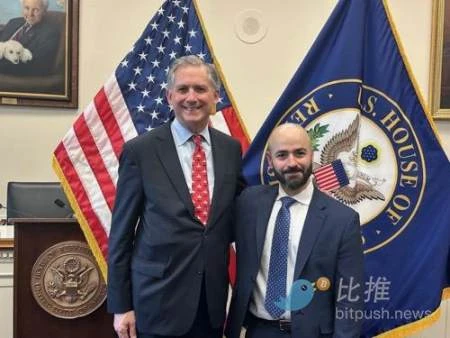
On a cold, windy day in December, former federal agents, prosecutors, State Department officials, and congressional aides gathered in a luxurious room in the Rayburn House Office Building to talk. Congress members came in one by one, shaking hands with Tigran Gambaryan, who was dressed in a dark blue suit and tie, with a neatly trimmed beard and shaved head. Although he walked slightly limping due to an emergency spinal surgery he had undergone a month earlier, his steps were still firm.

Gambaryan took photos with each legislator, aide, and State Department official, thanking them for their efforts in bringing him home. When Congressman Hill expressed his pleasure at seeing him again, Gambaryan joked that he hoped this time he smelled better than when he was in Kuje.

This reception was just one of a series of VIP welcomes Gambaryan received after returning home. At the airport in Georgia, Congressman McCormick came to greet him and presented him with an American flag that had flown over the Capitol the day before. The White House also issued a statement saying President Biden had called Nigerian President Tinubu to thank him for facilitating Gambaryan's release on humanitarian grounds.

Later, I learned that the statement of gratitude was part of an agreement between the U.S. government and Nigeria, which also included assistance to Nigeria in its investigation of Binance—an investigation that is still ongoing. Nigeria continues to pursue charges against Binance and Anjarwalla in absentia. A spokesperson for Binance stated in a statement that the company "feels relieved and grateful" that Gambaryan has returned home safely and thanked everyone who worked for his release. "We are eager to put this incident behind us and continue to work towards a bright future for Nigeria and the global blockchain industry," the statement read. "We will continue to defend ourselves against these baseless allegations." Nigerian government officials did not respond to WIRED's multiple requests for interviews regarding the Gambaryan case.

After the reception, Gambaryan and I took a taxi, and I asked him what he planned to do next. He said that if the new government was willing to accept him, he might return to government work—of course, it also depended on whether Yuki was willing to accept moving back to Washington again. Last month, the cryptocurrency news site Coindesk reported that he had been recommended for a senior position as the head of crypto assets at the SEC or in the FBI's cyber division by some figures in the crypto industry connected to President Trump. Before considering these options, he vaguely said, "I might need some time to clear my thoughts."

A 20,000-word exposé reveals the inside story of the Binance executive's arrest: a game of power

I asked him how his experience in Nigeria had changed him. He replied in a strangely relaxed tone, "I guess it has made me angrier?" He seemed to be thinking about the question for the first time. "It makes me want to take revenge on those who did this to me."

For Gambaryan, revenge might not just be a fantasy. He is filing a human rights lawsuit against the Nigerian government, a case that began during his detention, hoping to investigate those Nigerian officials whom he believes held him hostage for half a year. He said that sometimes he even messages those officials he thinks are responsible for the events, telling them, "You will see me again." He said their actions "shame the badge," and while he can forgive what they did to him, he cannot forgive what they did to his family.

A 20,000-word exposé reveals the inside story of the Binance executive's arrest: a game of power

"Am I being foolish for doing this? Maybe," he told me in the taxi. "At that time, my back was in excruciating pain, lying on the floor, it was just so boring."

As we got out of the car and arrived at his hotel in Arlington, Gambaryan lit a cigarette. I told him that although he said he was angrier than before going to prison, it seemed to me that he appeared calmer and happier than he had in the past few years—I remembered that when he was continuously taking down corrupt federal agents, cryptocurrency money launderers, and child abusers, he always gave me the impression of being angry, driven, and relentlessly pursuing his investigative targets.

Gambaryan responded that if he seemed more relaxed now, it was simply because he was finally home—he was grateful to see his family and friends, to be able to walk again, and to be free from the conflicts between powers that were larger than himself, conflicts that had nothing to do with him. He was alive and had walked out of prison, not died there.

As for the past drive of anger, Gambaryan disagreed.

"I'm not sure that was anger," he said. "That was justice. What I want is justice, and I still want that now."

免责声明:本文章仅代表作者个人观点,不代表本平台的立场和观点。本文章仅供信息分享,不构成对任何人的任何投资建议。用户与作者之间的任何争议,与本平台无关。如网页中刊载的文章或图片涉及侵权,请提供相关的权利证明和身份证明发送邮件到support@aicoin.com,本平台相关工作人员将会进行核查。

Share To
APP

X

Telegram

Facebook

Reddit

CopyLink