In this game of crypto, how do you become a winner?

CN
1 year ago

"After graduation, you will have a brief period to indulge in gambling, and then you might become an elite, or you will only be able to live on your salary for the rest of your life."

Written by: Ignas

Translated by: Luffy, Foresight News

Cryptocurrency is like a game: trading tokens, making (and losing) money, and gaining followers on X.

Do you feel the same way? But unlike real games, the failure in cryptocurrency games can have serious consequences.

After the Terra collapse, according to an online record from a Korean father, a family of three (including a 10-year-old daughter) committed suicide due to financial losses. Admitting that cryptocurrency is a game makes me feel guilty. Too many people have been scammed and lost their life savings.

However, viewing cryptocurrency as a game helps me stay rational and motivated to keep playing. The madness we experience in this industry is just one aspect; its greatest advantage is: it allows ordinary people to achieve their dreams of financial freedom.

As DegenSpartan said:

"After you graduate, you will have a brief period to indulge in gambling, and then you will become an elite, or you will only be able to live on your salary for the rest of your life."

In this article, I want to share the script of crypto games, my thought framework, and tips on how to win in crypto games.

Rules of Crypto Games

Once you discover the similarities between cryptocurrency and (especially MMORPG) games, you cannot ignore it.

During economic downturns, with no new capital inflow, the PvP (player versus player) mode prevails. In a bull market, as new funds enter, we switch to PvE (player versus environment) mode.

If you don't like KOLs influencing you, we think of the saying "Don't hate the player, hate the game."

We even design token economics to prevent people from selling tokens through various game theories.

Like game upgrades, crypto games are constantly evolving, with new stories emerging and disappearing.

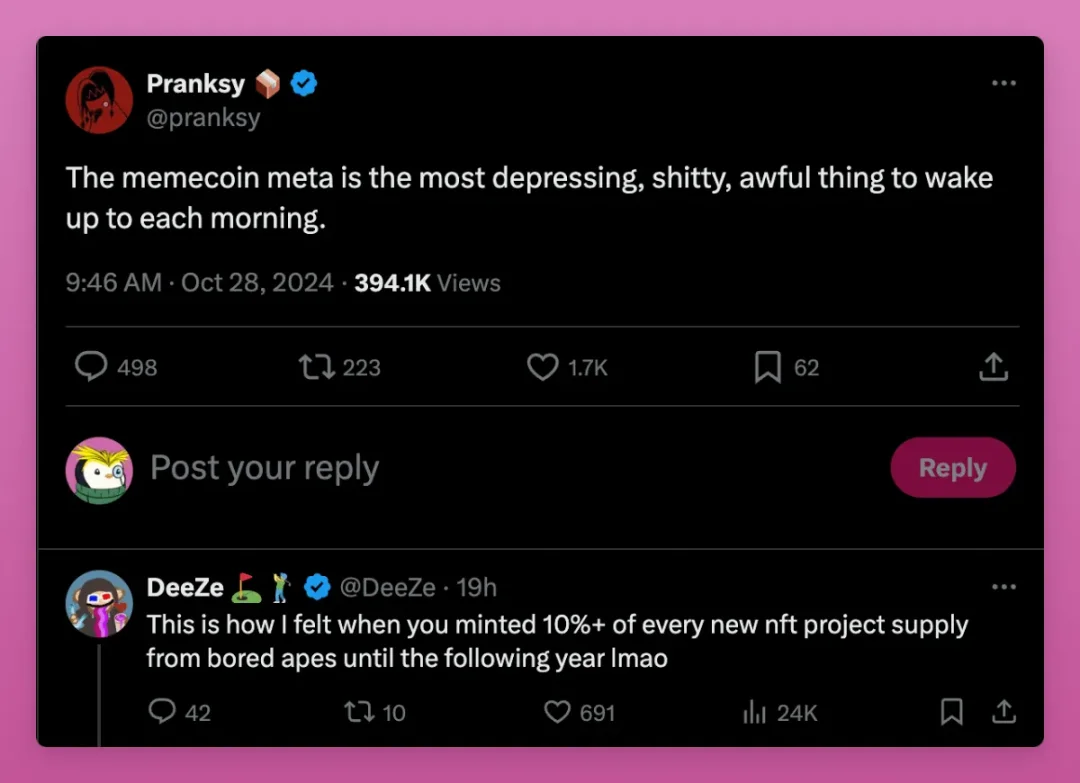
For example, Pranksy, once a top NFT player, now cannot keep up with the pace of memecoins. The gameplay has changed, but he still insists on playing a game that few are interested in.

Of course, memecoins can be terrible, but a few years ago, those who didn't know how to play the NFT minting and trading game said the same about NFTs.

In the game, you face two choices: either adapt and participate, or wait for new gameplay. There is a third, more difficult choice: to change the rules of the game itself.

For example, Cobie launched the Echo platform, allowing retail investors to participate in venture capital and buy tokens like in the ICO era. The story of memecoins will gradually be overturned by those players who decide to change the rules of the game.

However, memecoins also deserve praise because they have actually succeeded in changing the rules of the game.

For about the past year, we have been playing a "points" game. You deposit assets into protocols, accumulate points, and pray for generous airdrops. I know you like this game because "DeFi degen's bull market script" is still one of my most popular posts.

In any case, it turns out that many people have been scammed.

Since a higher TVL means a higher valuation, the FDV of token issuance is absurdly high, benefiting only those VCs and teams that entered at low valuations, and of course, the opportunists who sell airdrops.

As a result, many people turned to memecoins, standing on the opposite side of VC tokens.

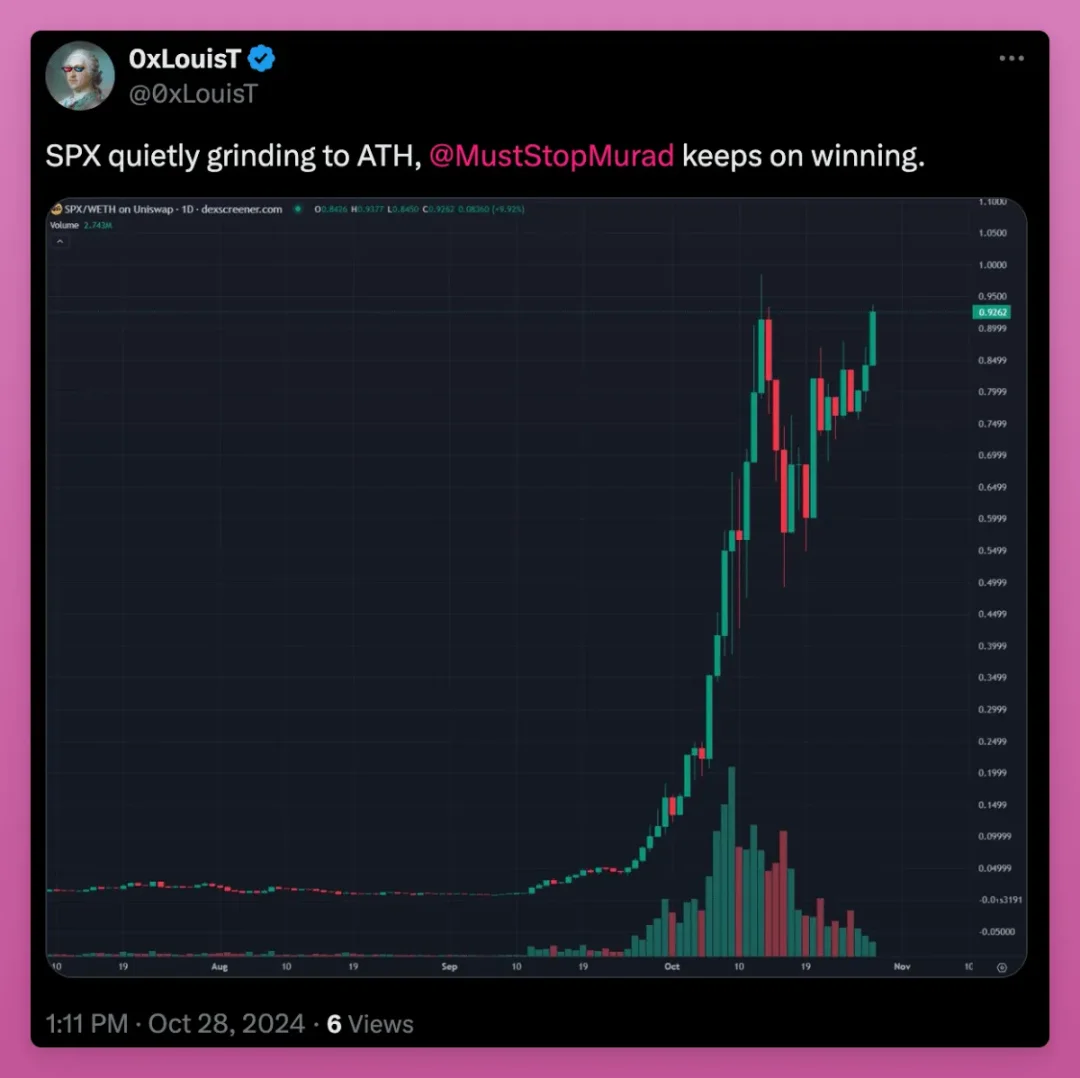
While Pranksy is failing, the memecoin protagonists Ansem, Murad, and the players who join their tribe are winning.

"Don't hate the player, hate the game"

In the overall gameplay, we continuously introduce new mini-games. You must decide whether to participate. If you do, make sure you understand the rules, as there will always be opponents.

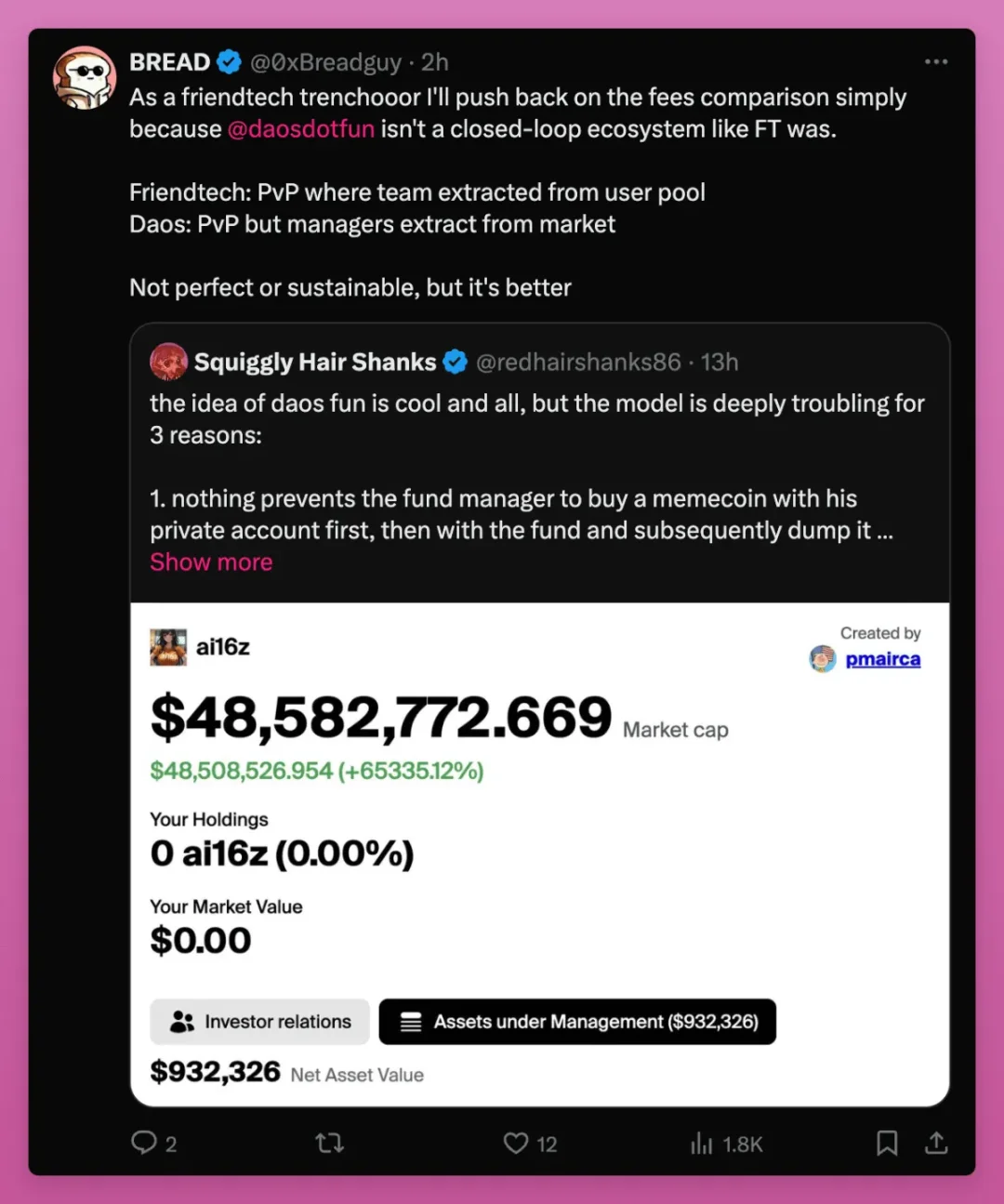
For example, daos.fun allows trading tokenized funds. However, it is confusing that the hottest "fund" ai16z is trading at 52 times its NAV (net asset value). Its trading method is similar to that of memecoins.

Players are trying to understand it. Squiggly compared the fund to a "Grayscale structure" or a Friend.tech trading fee Ponzi scheme. BREAD holds a different opinion on Friend.tech.

Squiggly and BREAD's viewpoints, who is right?

Although it is the same product, players' understanding varies greatly. Players must find their advantages in the game to profit.

This can be simple. After the team announced plans to whitelist a new "fund" on the website, I expected that degens holding other "fund tokens" might sell some old fund tokens to invest in the new fund. In fact, once the new fund is added, the prices of all old fund tokens drop by about 50%.

Generally, the more confusing the gameplay, the greater the space for profit through information asymmetry.

The beauty of cryptocurrency is that there are always some people who join new trends without thorough investigation, and as long as you do a little basic research, you have a chance to profit.

That said, I often try new things with a small amount of money first, then research to understand how it works in practice. Learning by doing, and when I know whether I can win this game, I invest more funds.

The reason Ton's click-to-earn game is thriving is that it contrasts with complex DeFi games: you just need to click a button on the screen to earn money.

However, due to the simplicity of the game, the rewards are also low; unless you exploit the system by clicking hundreds of phones with artificial fingers.

The technology here becomes more interesting and complex: there are multiple layers, roles, and strategies to choose from. If you wish, you can also choose side quests.

Let me give you an example.

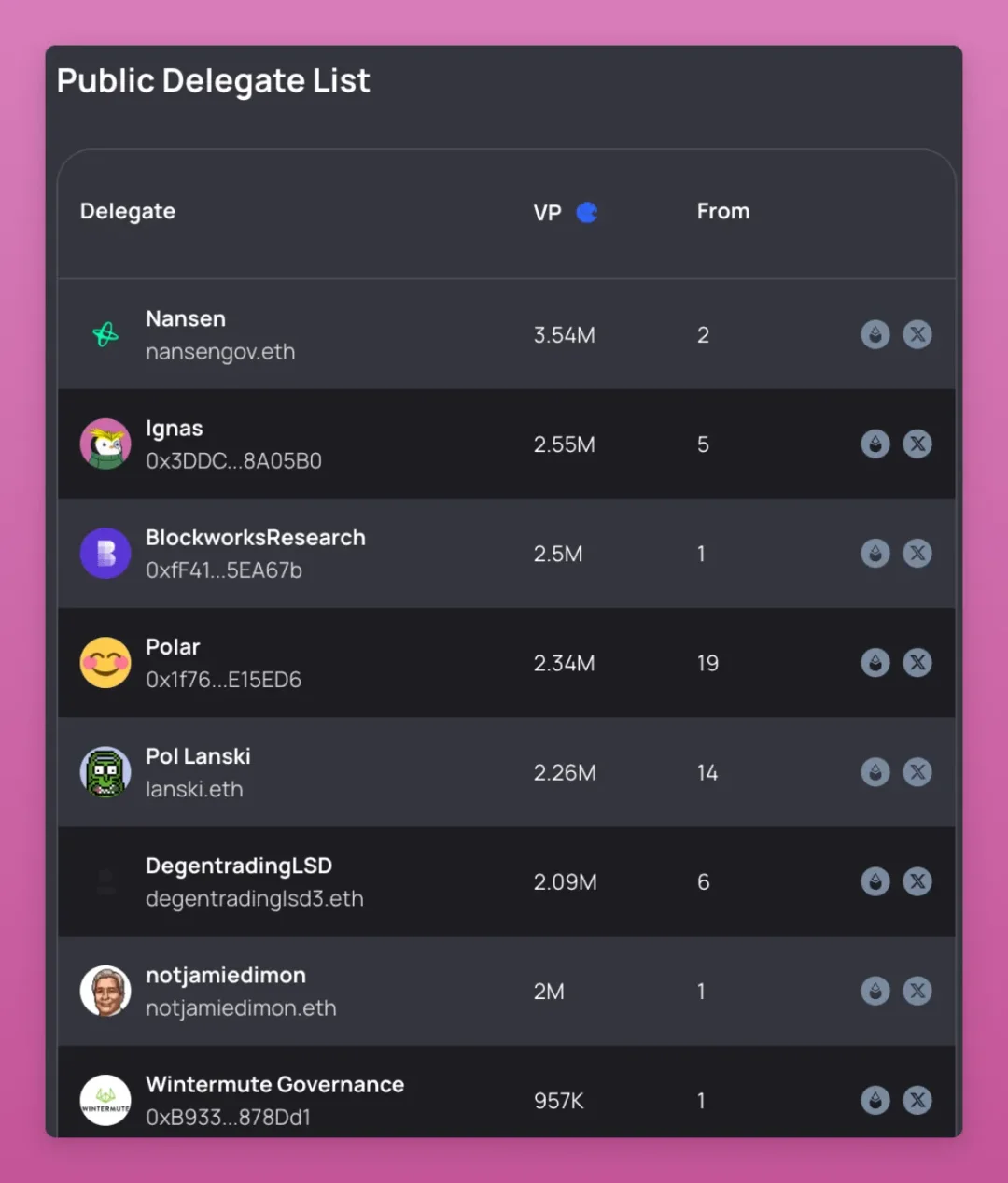
Recently, I have been working to become an active representative in multiple DAOs, particularly Lido, Arbitrum, and Uniswap.

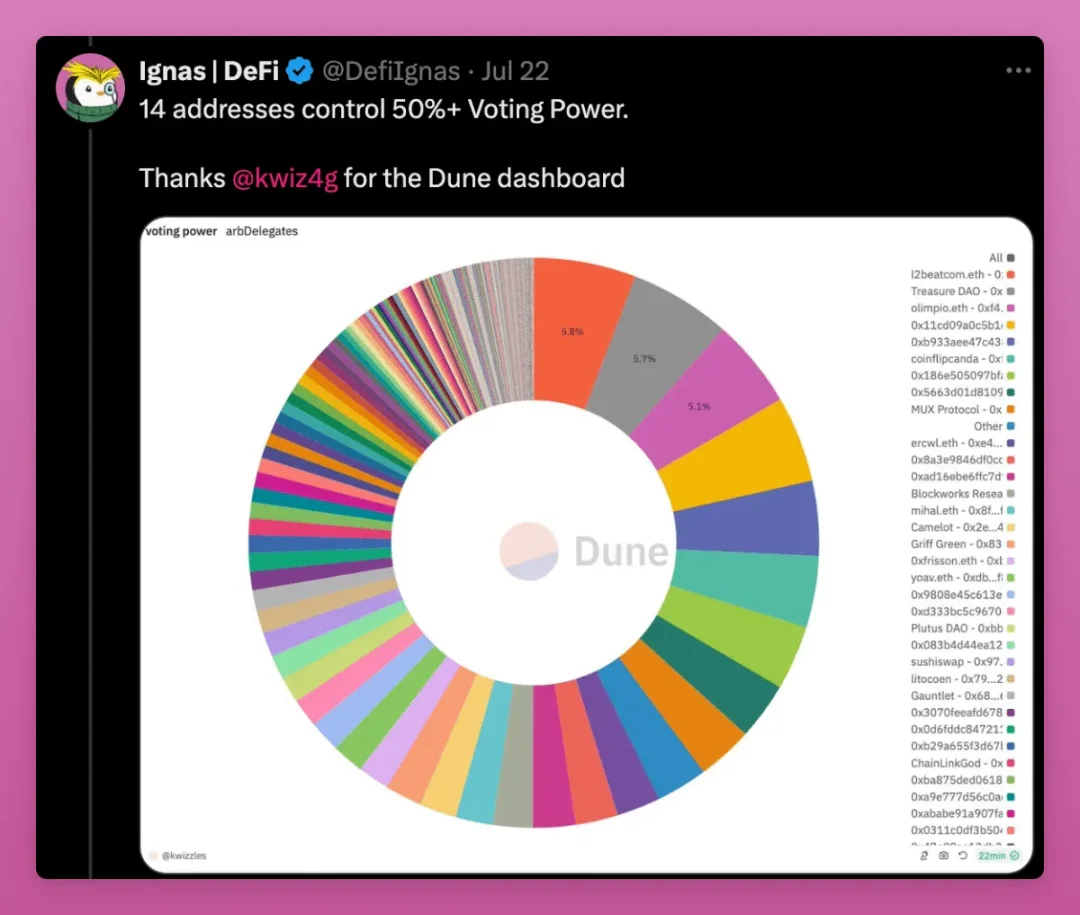
DAOs advocate for the vision of decentralized organizations, but now most DAOs are far from achieving decentralization, which is an open secret. For example, in the Arbitrum DAO, 14 addresses control over 50% of the voting power, and the same goes for other DAOs.

The Uniswap DAO is unaware that Unichain will launch UNI staking features. This also explains why the fee switch has not been turned on for months. Insiders know that once UNI staking is implemented, the fee switch will no longer be necessary, while the DAO remains in the dark.

DAOs recognize that voting centralization is a significant issue. To address this, they have initiated incentive campaigns to attract new participants. By becoming an active governance representative in a DAO, you can earn between $3,000 and $10,000.

But it's not easy. You must actively follow forum discussions, comment, and vote on proposals. The most challenging part is getting token holders to delegate their tokens to you, which touches on the political game.

After I posted a tweet about coordinating token holders and protocol incentives, an anonymous whale delegated 2.5 million LDO to me. To be honest, I received this delegation simply because I often post on X and have gained some recognition. Playing the popularity game on X brings more opportunities in the cryptocurrency space, and these opportunities are known to very few.

Now, multiple protocols are contacting me, thanking me for voting in support of their proposals or requesting my support for future proposals. Every DAO that does not appear in the X feed or even the DAO forum has an important relationship-building process.

To be honest, I love this game. I firmly believe in a decentralized future and hope to make an impact.

Player Mindset

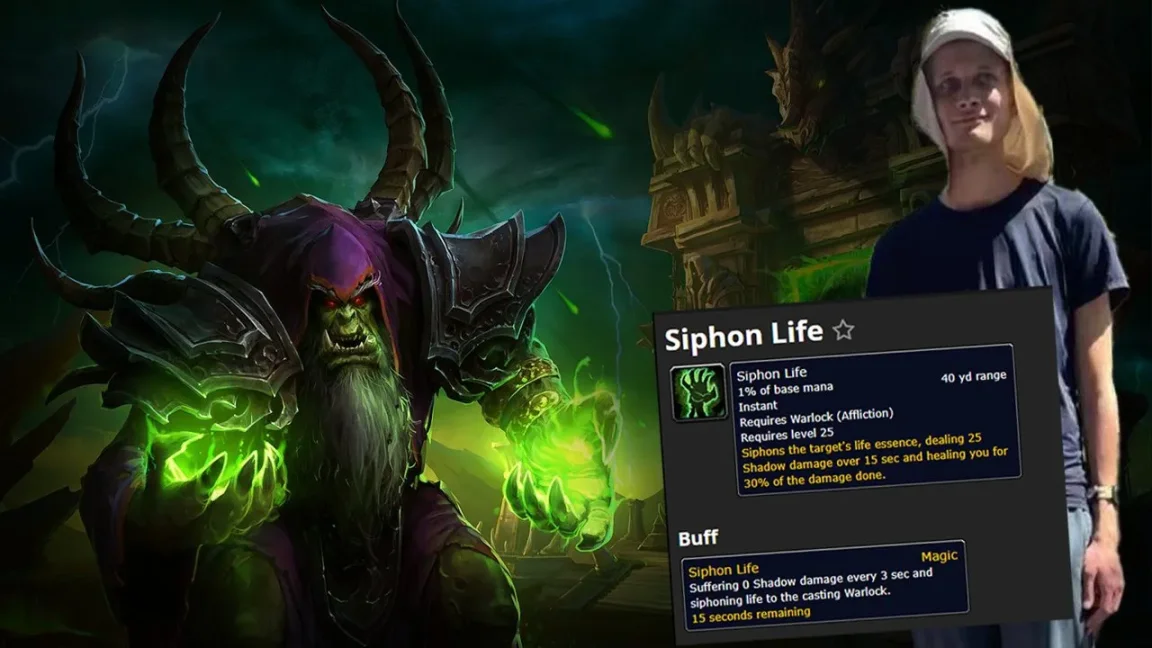
Did you know that Vitalik Buterin founded Ethereum shortly after "Blizzard removed the damage component from the Warlock's 'Life Drain' spell"?

"I cried myself to sleep that day when I realized how terrifying centralized services could be. I quickly decided to quit." — Vitalik Buterin

Vitalik decided to quit World of Warcraft because he felt he could not influence the game rules.

The wonderful thing about cryptocurrency is that each of us can play a role and influence the game rules.

Like blockchain, crypto games are also decentralized. Venture capitalists, retail investors, builders, KOLs: we all have our roles, with some being more influential than others.

Ansem, Murad, and other memecoin KOLs drive the memecoin cycle, but you can choose not to join their game.

A bit off-topic, but I am actually surprised by how little influence venture capital has in shaping narratives. Crypto venture capital should advocate for their investments, but their attention on X is minimal.

Do they really not care? Or are they playing another game?

A notable example is Kyle from Multicoin, who is working hard to make money. More venture capitalists should share their views on the industry, advocate for their portfolio protocols, and provide in-depth research to clarify current developments.

From my interviews with cryptocurrency venture capitalists, one possible explanation is that they are essentially just more moneyed retail investors.

When Vitalik was playing World of Warcraft (2007-2010), I was playing another MMORPG—Lineage 2.

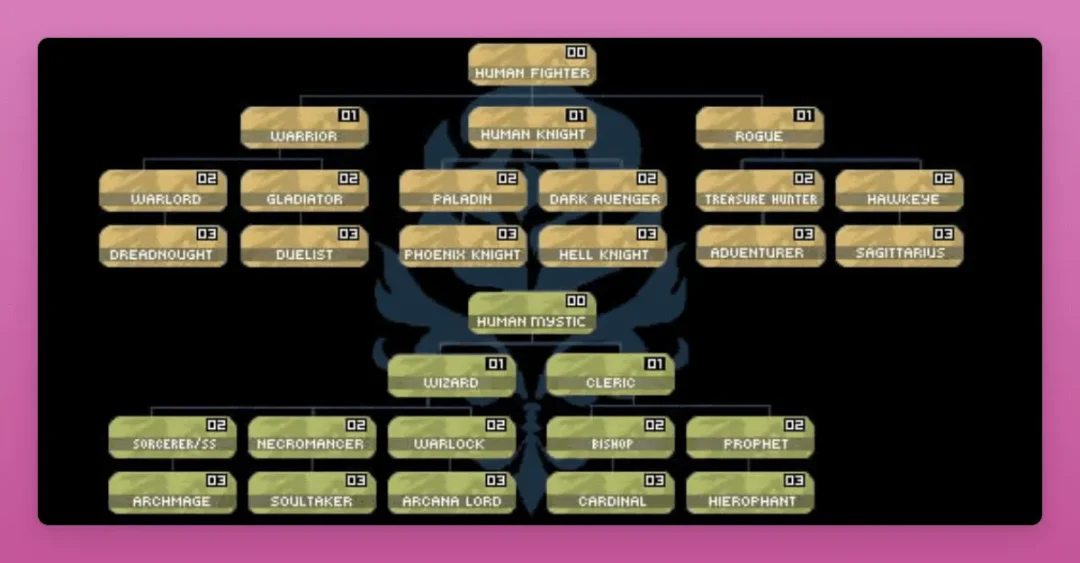
In Lineage 2, you can choose a race (human, elf, orc, etc.) and a class (warrior, mystic).

You can level up by completing quests and defeating enemies to gain experience (XP), which unlocks new abilities, better gear, and access to more challenging content.

I spent two years diligently studying, sleeping only a few hours each day. Those memories are deeply etched in my mind and have shaped my views on cryptocurrency trading.

Just as you gain XP in games, in cryptocurrency, you can gain XP by learning about blockchain, studying DeFi, researching token economics, and more. The more you hone your skills, the better you will perform.

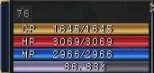
But you must pay attention to your HP (health points) and MP (mana points).

HP and MP are like your health, financial stability, and emotional resilience. Both cryptocurrency and gaming require relentless effort, and you will inevitably feel burnout. In the cryptocurrency space, the pressure to stay ahead, constantly monitor the market, and not miss trends creates a high-stress environment, much like an endless game from which you cannot choose to exit.

I was exhausted during the last bull market cycle, so now I manage my "HP" by taking breaks every three months.

Is it strange to view cryptocurrency from this perspective?

Demographically, they also share similarities: crypto games are predominantly male, while only about 35% of MMORPG players are female.

Koreans are as obsessed with cryptocurrency as they are with esports (like League of Legends), even more so than with "real sports."

What I want to say is that the mindset of gamers can help you stand out in the cryptocurrency space. You just need to choose the right game and understand your role in it.

In Naval's famous short post "How to Get Rich (without being lucky)," he mentioned "game" and "play" 15 times! His advice is:

  • Ignore those status game players who gain status by attacking wealth creators.
  • Choose an industry where you can collaborate long-term with others.
  • Play iterative games. All returns in life, whether wealth, relationships, or knowledge, come from compounding.

One of my favorite lines is:

  • Accumulating specific knowledge is like playing a game for you, but it feels like work for others.

So, what game are you playing in the crypto space?

What role do you play in cryptocurrency?

In recent years, cryptocurrency has become increasingly complex. Before 2020, success was as simple as investing in ICOs and trading on CEXs. Since then, new games in the cryptocurrency space have exploded: DeFi, L2, NFTs, RWA, Runes, Memecoins, and more.

How do you keep up?

Do you specialize in a particular area or try to "catch them all"?

In MMORPGs, you first choose a race and then a class. In Lineage 2, I decided to choose the least popular option because I wanted to stand out and increase my chances of becoming a "hero."

I chose a human summoner, and as I accumulated experience points, I specialized in warlocks and then arcane lords. This is the least popular class because its specialty is using pets to defeat enemies.

Similarly, you can start by learning the basic skills of cryptocurrency and then focus on active trading, DeFi yields, memecoins, DAOs, etc.

Many people lack the determination to learn specific skills and often jump between various narratives without truly understanding them. They miss out on the knowledge needed to master the complex mechanisms behind specific industry game theories. They become exit liquidity.

In reality, jumping from one narrative to another while making money can be a special skill. You realize the money rotation game and manage to sell at the top before the money moves to another narrative. But are you good at this?

However, I believe that in the current stage of the market, specialization can yield rich rewards.

Specialization can be anything, such as:

  • Crypto Koryo excels at creating Dune dashboards and monetizing them;
  • USD Denominated focuses on the stablecoin market, navigating its complexities to achieve the highest yields;
  • Andy is fully immersed in the modularity space;
  • wale.moca specializes in NFTs;
  • Bold Leonidas publishes crypto comics daily.

But be sure to pay attention to what influential people say, as their motivations often differ from what you might imagine. The game they play is different from the one they promote. You don't want to play games with rules that are unfavorable to you. For example, Ansem recruits celebrities and somehow profits from it.

Do you think I post on X for no reason?

My purpose for posting on X is: 1) to stay updated on the market, 2) to attract clients to my DeFi creator space Pink Brains, and recently 3) to build my influence and gain token delegation votes.

This strategy allows me to explore multiple topics, even if I am not an expert in any of them.

However, as you start to gain followers on X, you will choose an area you are passionate about. As your follower count grows, your topics should diversify. Posting can enhance your influence, so everyone should do it.

Becoming an influencer is like becoming a hero in Lineage 2. Your character gains a special aura that not only boosts your attributes but also allows you to broadcast your message to the entire server. I chose the least popular character because there is less competition in becoming a hero.

Many of you work in cryptocurrency companies, and your jobs force you to focus on roles like marketing, market-making, or sales. This gives you an advantage over those who treat cryptocurrency as a hobby: leveraging industry connections, gaining insights, and even influencing the game rules.

Specialization is now the true hidden alpha.

While holding BTC or ETH can guarantee profits, achieving 100x returns requires digging deeper, much like mining for gold in well-developed areas. As Naval said, find work that makes you feel like you are playing.

Whether it's DeFi, on-chain wallet tracking, or DAO forum hunting for alpha, let curiosity lead you. By accumulating specific knowledge, you will discover opportunities that others miss. This niche market is small enough to escape the radar of big players but large enough to fill your pockets; the cryptocurrency game could be your gold mine.

免责声明:本文章仅代表作者个人观点,不代表本平台的立场和观点。本文章仅供信息分享,不构成对任何人的任何投资建议。用户与作者之间的任何争议,与本平台无关。如网页中刊载的文章或图片涉及侵权,请提供相关的权利证明和身份证明发送邮件到support@aicoin.com,本平台相关工作人员将会进行核查。

Share To
APP

X

Telegram

Facebook

Reddit

CopyLink