Original Author: Duo Nine
Translation|Odaily Planet Daily (@OdailyChina)
Editor's Note: The price of BTC has once again surpassed the $70,000 mark this morning, and everything seems to be developing positively. However, YCC founder Duo Nine has pointed out a concern regarding the Bitcoin network, believing that during the transition of the fee structure of the Bitcoin network, the various ecosystem's wrapped xBTC and ETF derivative investment products are actually extracting value from the Bitcoin network, conducting a "vampire attack" on it.
Duo Nine believes that this concern does not seem serious at the moment, but there is a growing trend that could become a "cancer cell" accompanying the development of the Bitcoin network, which must be taken seriously at this stage.
Although Duo Nine has a somewhat extreme bitcoin maxis-like attitude towards other ecosystem wrapped tokens, the issues raised still hold significant thought-provoking value.
Below is the original content by Duo Nine, translated by Odaily Planet Daily.

Bitcoin is in trouble.
If changes are not made quickly, the situation may worsen.
I am not talking about the halving or block rewards; the issues are far more serious than that.

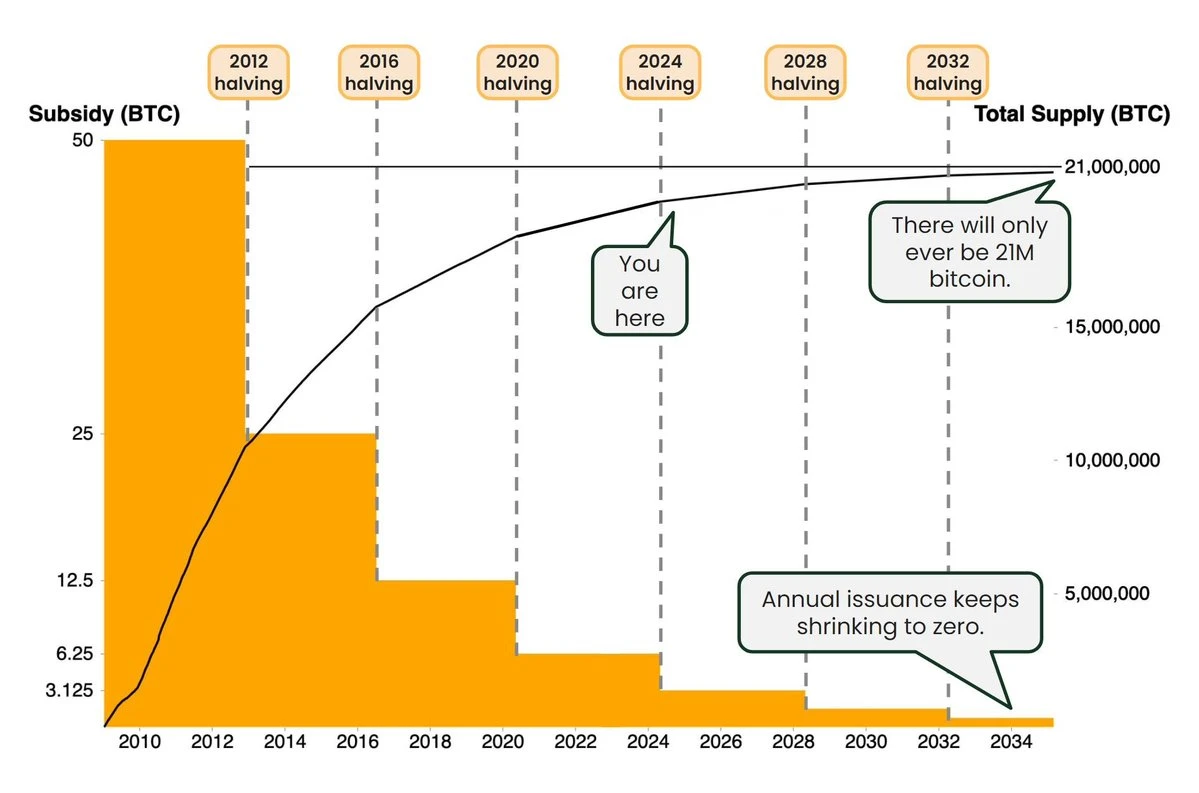
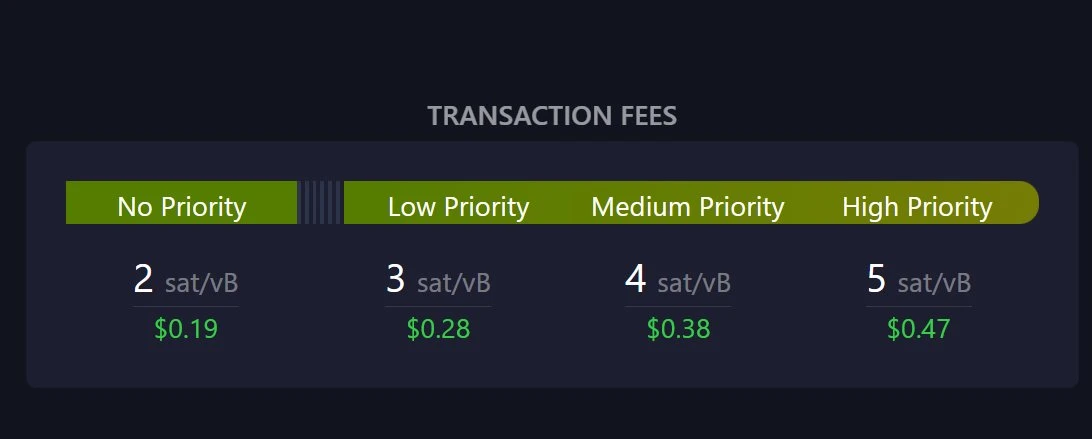
As the Bitcoin network gradually develops, transaction fees will gradually replace block rewards as the main cost structure of the network.
This will be a gradual process that will take decades.
However, a new problem is emerging. This problem is somewhat difficult to predict, but some signs have already appeared.

This problem is related to the fact that people are no longer truly using Bitcoin.
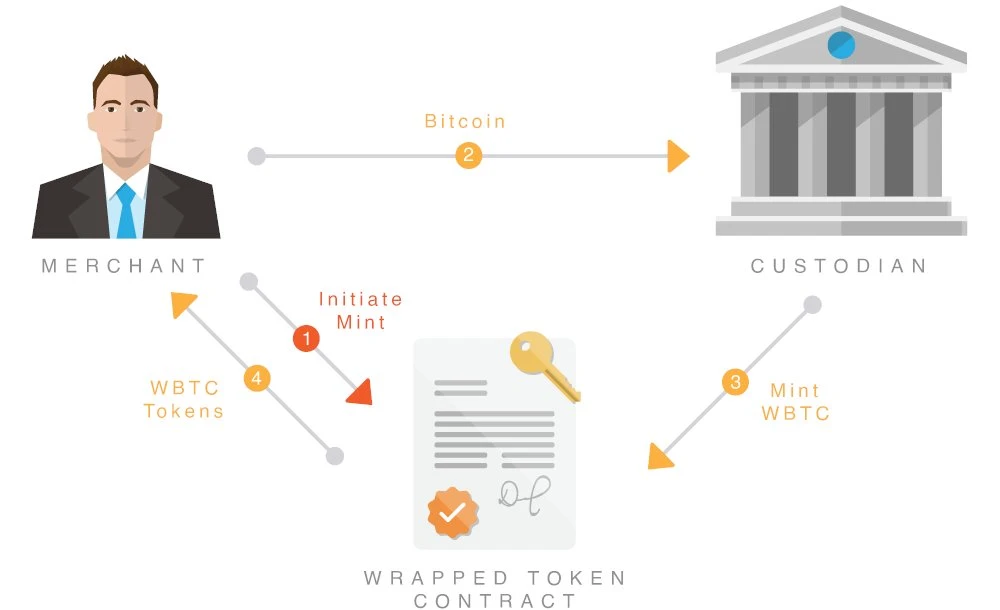
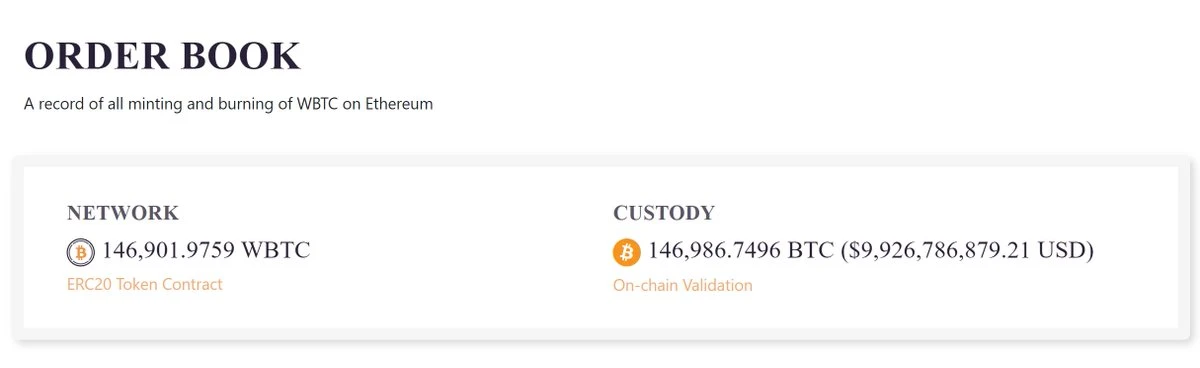
Whenever BTC is wrapped into wBTC, cbBTC, tBTC, kBTC, or solvBTC, it means that the native BTC will be placed in a wallet above the network and will no longer be executed.
It no longer moves, which means there are no more fees.
The value has been transferred to Ethereum or other networks. However, this is just the tip of the iceberg.

With the development of DeFi, more and more BTC will be left idle on the native network, and this value will flow out in the form of wrapped tokens.
BitGo has wBTC, Coinbase has cbBTC, Kraken has kBTC, Threshold has tBTC… Clearly, this situation will not stop easily.
Ten years from now, there will only be more wrapped tokens.

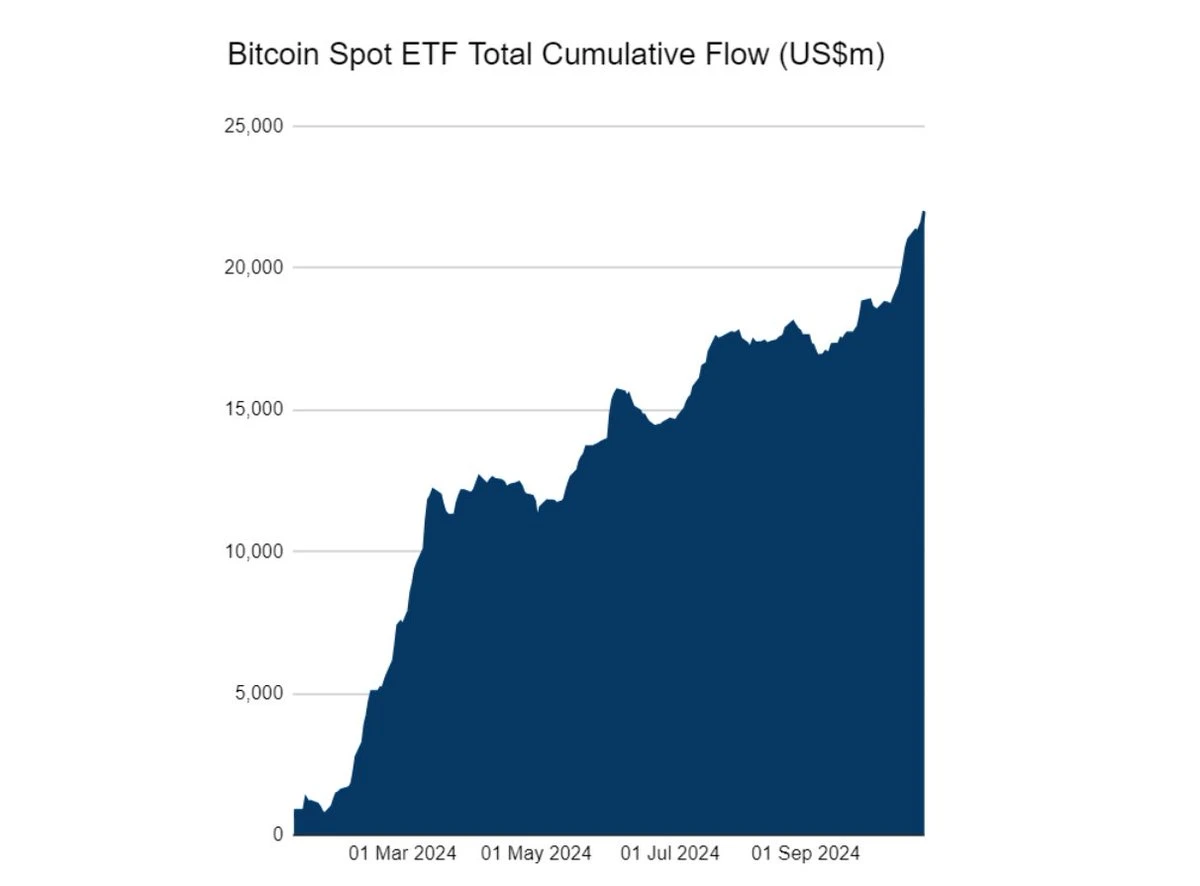
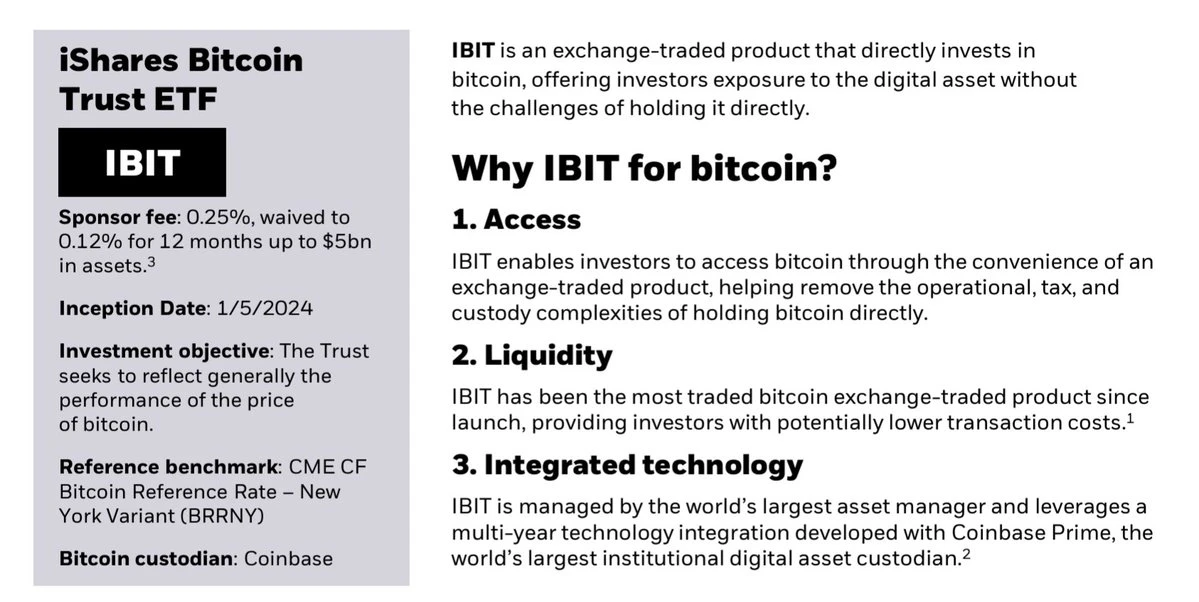
Since the beginning of this year, 11 Bitcoin spot ETFs have been approved, and as of now, they have collectively purchased $20 billion worth of BTC.
Where is this BTC? The answer is in the wallets of some custodians, where they are also being left idle.
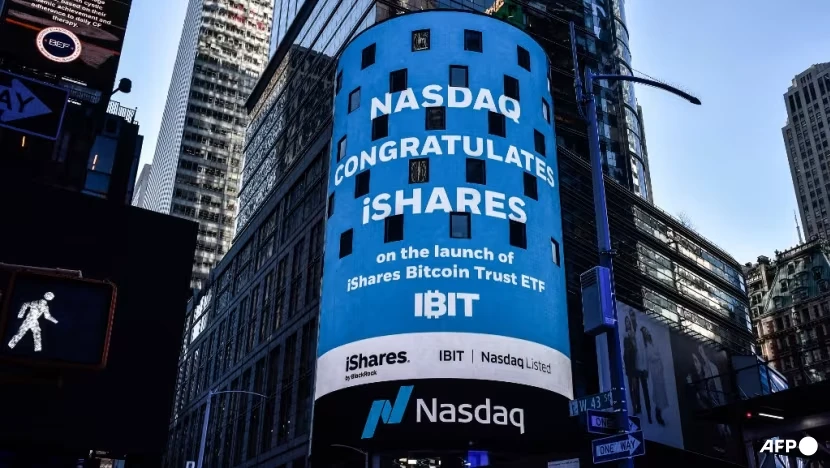
Investors are actively trading Bitcoin investment products on Nasdaq, but they are trading ETFs, not native BTC.

This is similar to the situation with wrapped tokens; the value of native BTC has been abstracted and flowed elsewhere.
Problems are starting to arise. If value continues to flow out, who will pay for the security of the Bitcoin network?
Ethereum? Nasdaq? They certainly won't.

Under normal assumptions, as the fee structure transitions, users should continue to transact on the native network, accumulating fees for miners.
However, the reality is that Bitcoin is being "locked in a cabinet," its value is being transferred to other chains, or abstracted into ETFs and other forms.
In cryptocurrency, we generally describe this situation as a "vampire attack"!
A "vampire attack" refers to the liquidity and value of a chain or protocol being siphoned off, along with its users, to another chain or protocol.
Now, the attackers of Bitcoin are stuffing this value into their own pockets. Congratulations to BlackRock, congratulations to Coinbase, you are winning!


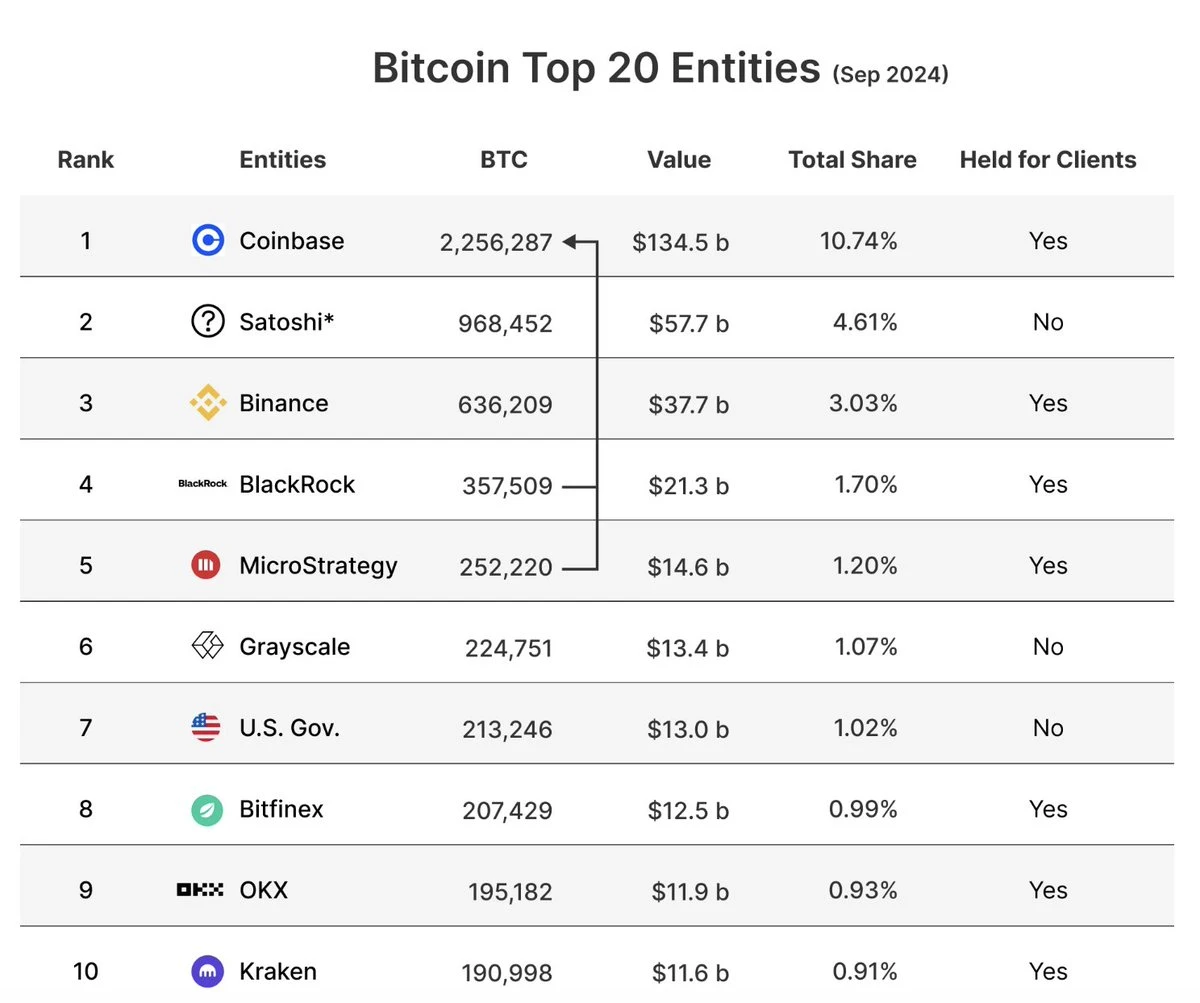
Custodians like Coinbase currently hold over 2 million Bitcoins, and a large amount of BTC has been locked away and gradually forgotten.
Worse still, this situation may lead to Bitcoin falling into the hands of third parties.
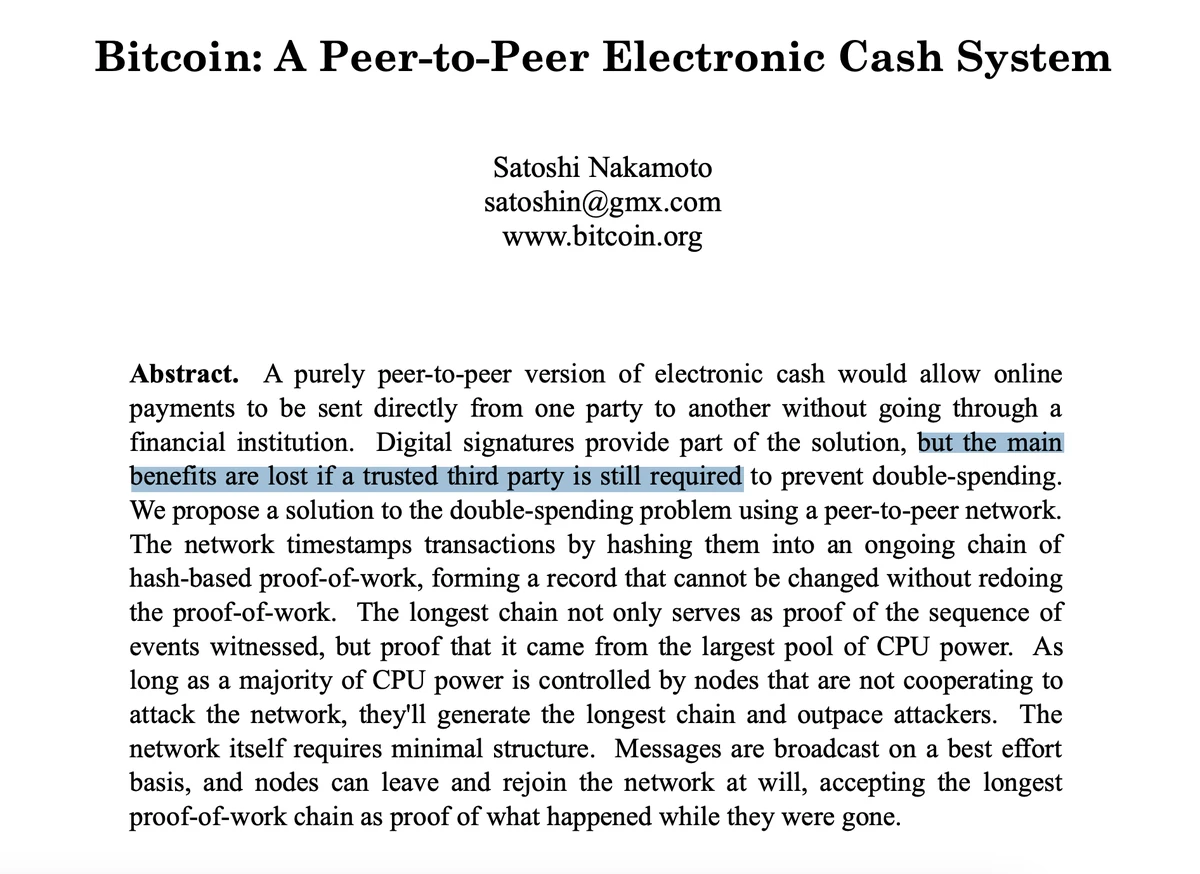
Satoshi Nakamoto warned us about this issue in the white paper: "As long as there is a third party between you and your BTC, value will be lost."

Whether it's BlackRock, Coinbase, wBTC, or cbBTC, what they provide is merely an IOU.
They hold the real BTC and give you a worthless certificate in exchange (if they choose to default).
This poses a real danger to you and the entire Bitcoin network. Because third parties may go back on their promises, and they may steal value from the native chain of BTC, thereby reducing the security of the Bitcoin network.
Fortunately, this problem is not "imminent." For the next twenty years, the block rewards of the Bitcoin network will still be considerable.

At the same time, the demand for Bitcoin will continue to increase, especially from third parties — they are always ready to profit from Bitcoin.
What should you do about this?
First, try to avoid having third parties hold your Bitcoin; relying on third parties goes against the original intention of Bitcoin and your reason for purchasing Bitcoin.
The best custodian is always yourself. You should hold Bitcoin on the native network, rather than relying on various third parties.
Second, you should truly use the Bitcoin network. With the development of ordinals and other emerging use cases, many people are capturing and protecting their value on the native Bitcoin network; in this operational model, the value of Bitcoin will never be abstracted out.
Continuing to use the Bitcoin network is the greatest investment in the future of Bitcoin. By using the native network, you can help maintain the security of Bitcoin, and the fees you pay will be used to incentivize miners to protect the network's security. As long as the usage scale is sufficient, the transition of the fee structure can be achieved seamlessly.
免责声明:本文章仅代表作者个人观点,不代表本平台的立场和观点。本文章仅供信息分享,不构成对任何人的任何投资建议。用户与作者之间的任何争议,与本平台无关。如网页中刊载的文章或图片涉及侵权,请提供相关的权利证明和身份证明发送邮件到support@aicoin.com,本平台相关工作人员将会进行核查。