In the past year, the cryptocurrency industry has made significant progress in terms of policy, technology, and user adoption, marking an expansion in activity and application scope.
Author: a16zcrypto
Translation: Blockchain in Plain Language
When we released the first annual "State of Cryptocurrency Report" two years ago, the world looked completely different. Cryptocurrency was not a priority for policymakers. Bitcoin and Ethereum's exchange-traded products (ETPs) had not yet received SEC approval. Ethereum had not yet transitioned to the energy-efficient proof-of-stake (PoS) mechanism. Most second-layer (L2) networks aimed at increasing capacity and reducing transaction costs were largely idle—at that time, transaction fees on these networks were much higher than they are now.
With the release of our new 2024 "State of Cryptocurrency Report," all of this has changed. The report covers the rise of cryptocurrency as a hot policy topic, several technological advancements in blockchain networks, and the latest trends among developers and users in the crypto space. The report also:
Delves into the emergence of key applications like stablecoins—considered one of the "killer applications" of cryptocurrency;
Explores the intersection of cryptocurrency with other key technological trends such as artificial intelligence, social networks, and gaming;
Shares new data on interest in cryptocurrency in swing states ahead of the U.S. elections, among other things.
The 2024 "State of Cryptocurrency Report" also reveals a historic high in crypto activity. It analyzes the maturation of blockchain infrastructure, particularly how recent scaling upgrades have significantly reduced on-chain transaction costs, as well as the rise of Ethereum L2 and other high-throughput blockchains.
This year, we also launched a new tool: the a16z Cryptocurrency Developer Vitality Dashboard. For the first time, we are sharing proprietary data based on our unique perspective on the crypto ecosystem, including where "developer vitality" is located. This dashboard aggregates thousands of data points from investment team research, our CSX startup accelerator program, and other industry tracking, all of which are aggregated and anonymized. Through this tool, anyone can explore how crypto developers view their activities and interests—including which blockchain they are building on, what types of applications they are creating, which technologies they are using, and where their bases are located. We plan to update this data annually as part of our annual "State of Cryptocurrency Report."
Seven key points from this article:
Crypto activity and usage have reached historic highs
Cryptocurrency has become an important political issue ahead of the U.S. elections
Stablecoins have found product-market fit
Infrastructure improvements have increased capacity and significantly reduced transaction costs
Decentralized finance (DeFi) remains popular and is continuously growing
Cryptocurrency has the potential to address some urgent challenges faced by artificial intelligence
More scalable infrastructure unlocks new on-chain applications
1. Crypto activity and usage have reached historic highs
The number of active crypto addresses has never been so high. In September, 2.2 million addresses interacted with the blockchain at least once, a figure that has more than tripled since the end of 2023. (As a metric, active addresses are easier to manipulate than other measures. For more information on this, see here.)
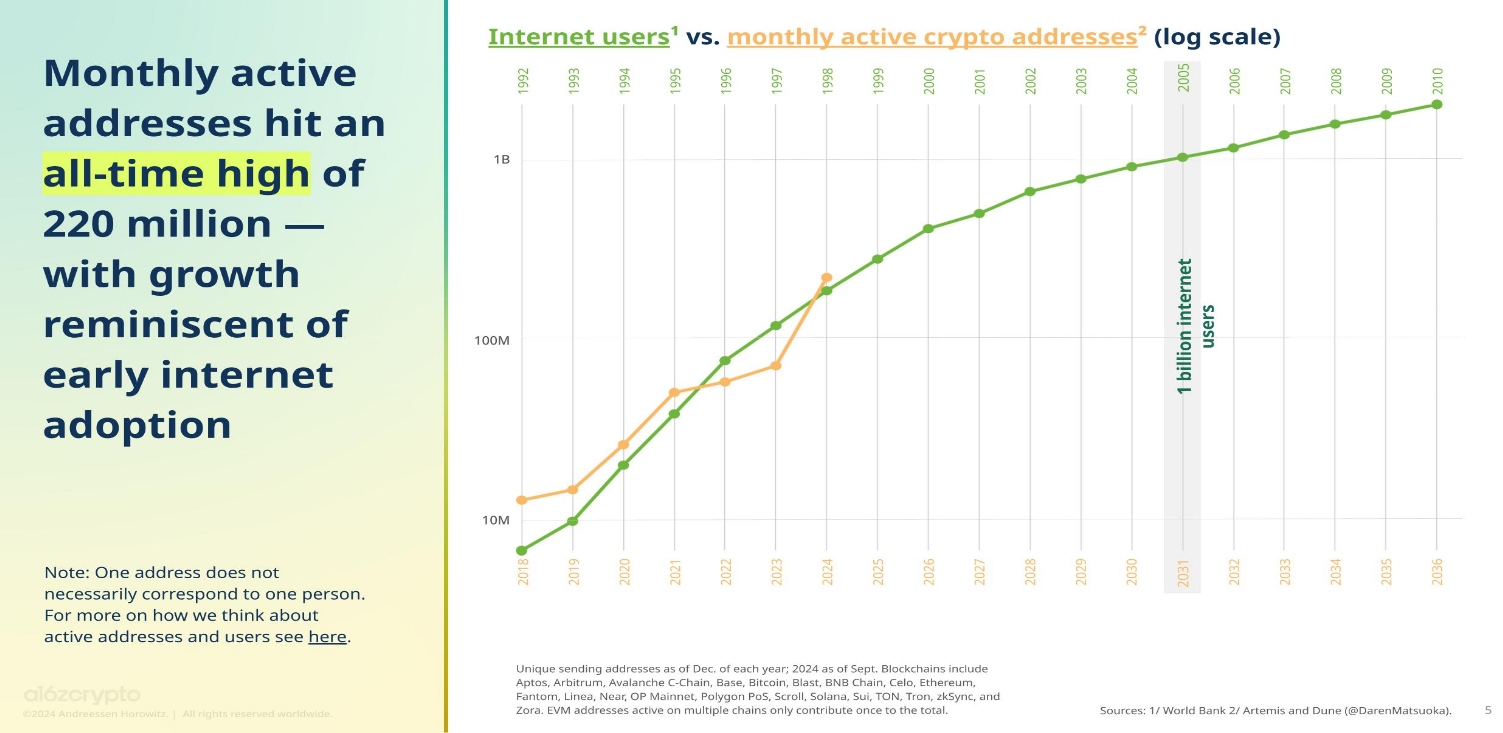
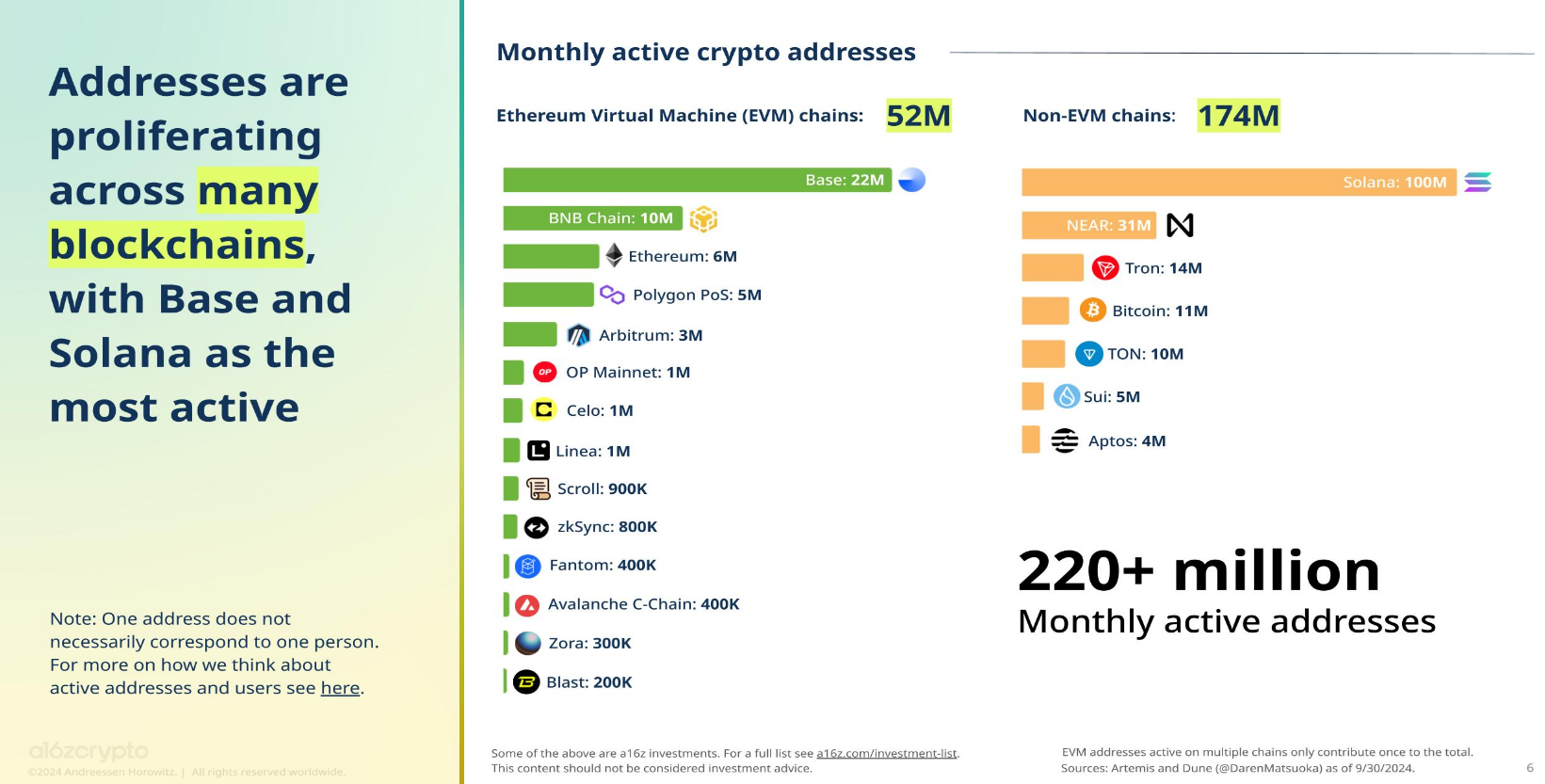
The surge in activity is primarily attributed to Solana, which accounts for about 100 million active addresses. Following Solana are NEAR (31 million active addresses), Coinbase's popular L2 network Base (22 million), Tron (14 million), and Bitcoin (11 million). Among Ethereum Virtual Machine (EVM) chains, the most active after Base is Binance's BNB chain (10 million), followed by Ethereum (6 million). (Note: The calculation for EVM chains is derived from a total of 220 million through public key deduplication.)
These trends are also reflected in our Developer Vitality Dashboard. The largest change in the total share of builder interest is seen in Solana. This year, the total share of founders indicating they are building or intend to build on Solana rose from 5.1% last year to 11.2%. Following Solana is Base, whose total share grew from 7.8% last year to 10.7%; Bitcoin's total share also increased from 2.6% last year to 4.2%.
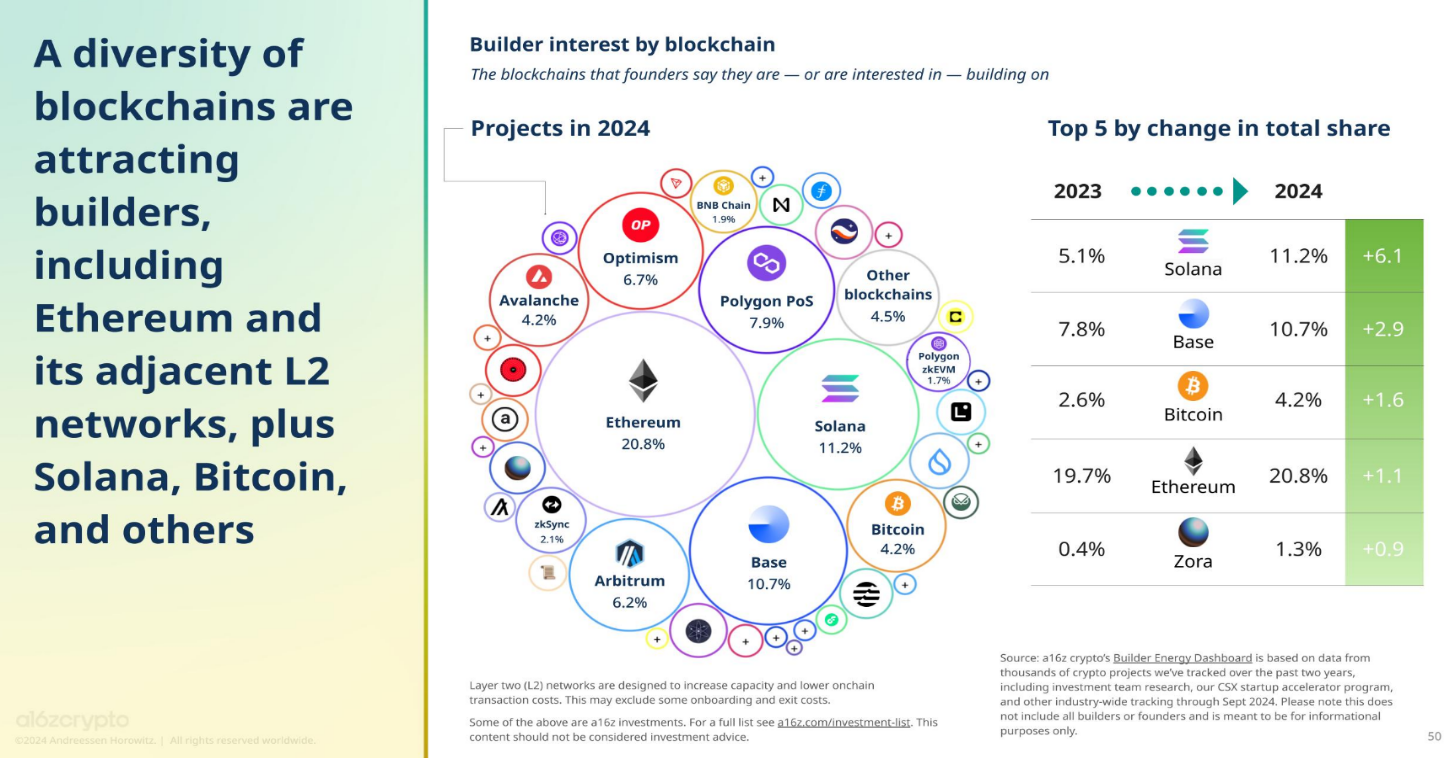
In absolute numbers, Ethereum still attracts the largest share of builder interest, reaching 20.8%, followed by Solana and Base. Next are Polygon (7.9%), Optimism (6.7%), Arbitrum (6.2%), Avalanche (4.2%), and Bitcoin (4.2%).
Meanwhile, in June 2024, the number of monthly active mobile crypto wallet users reached a historic high of 29 million. While the U.S. accounts for 12% of the monthly active mobile wallet user share, its share of the total user base has declined in recent years as global crypto adoption has grown and more projects have sought compliance by excluding the U.S. through geofencing.
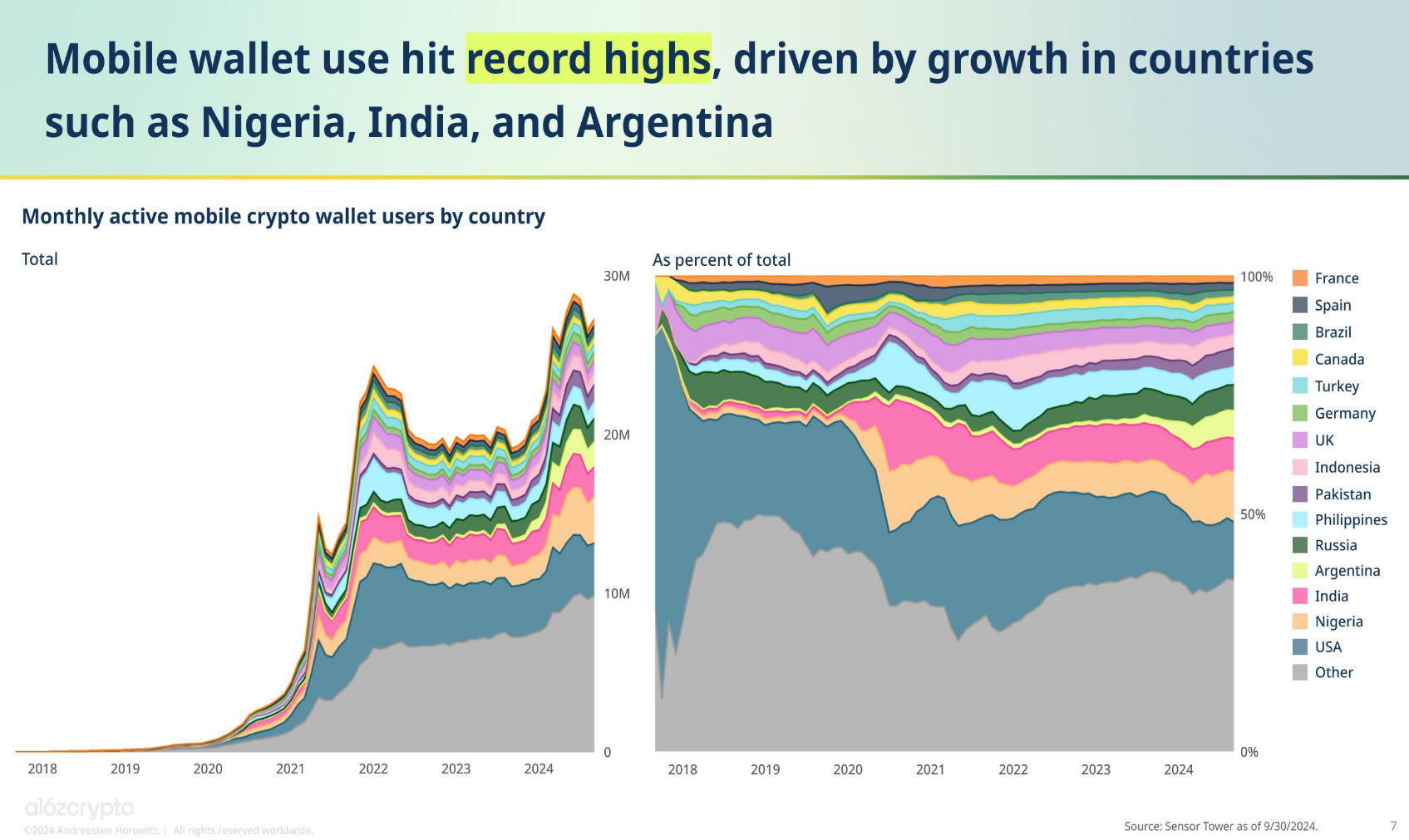
The influence of cryptocurrency continues to expand overseas. After the U.S., the countries with the most mobile wallet users include Nigeria (seeking regulatory clarity through incubator projects and achieving significant growth in areas like bill payments and retail consumption), India (due to its rapidly growing population and smartphone penetration), and Argentina (where many residents have turned to cryptocurrency, especially stablecoins, due to currency devaluation).
While measuring active addresses and monthly active mobile wallet users is relatively straightforward, assessing the actual number of active crypto users is more challenging. By combining various methodologies, we estimate that the number of globally active crypto users ranges from 30 million to 60 million, which represents only 5% to 10% of the 617 million global crypto owners estimated by Crypto.com in June 2024. (For more information on our estimation methods, see here.)
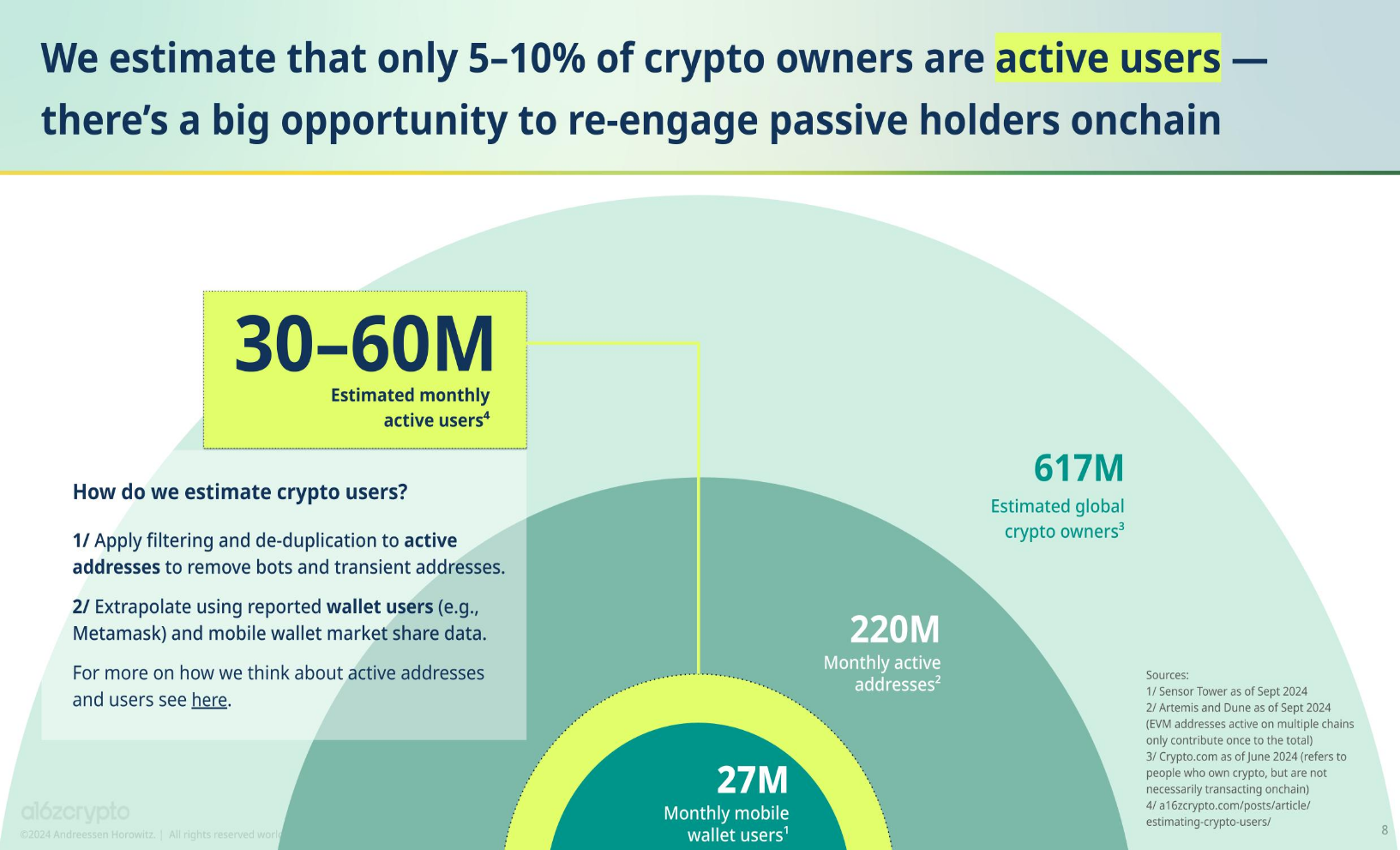
This gap highlights the significant opportunity to attract and re-engage passive crypto holders. With major infrastructure improvements, novel and engaging applications and consumer experiences are becoming possible, and more dormant crypto holders are expected to transition into active on-chain users.
2. Cryptocurrency has become an important political issue ahead of the U.S. elections
In this election cycle, cryptocurrency has entered the national discourse.
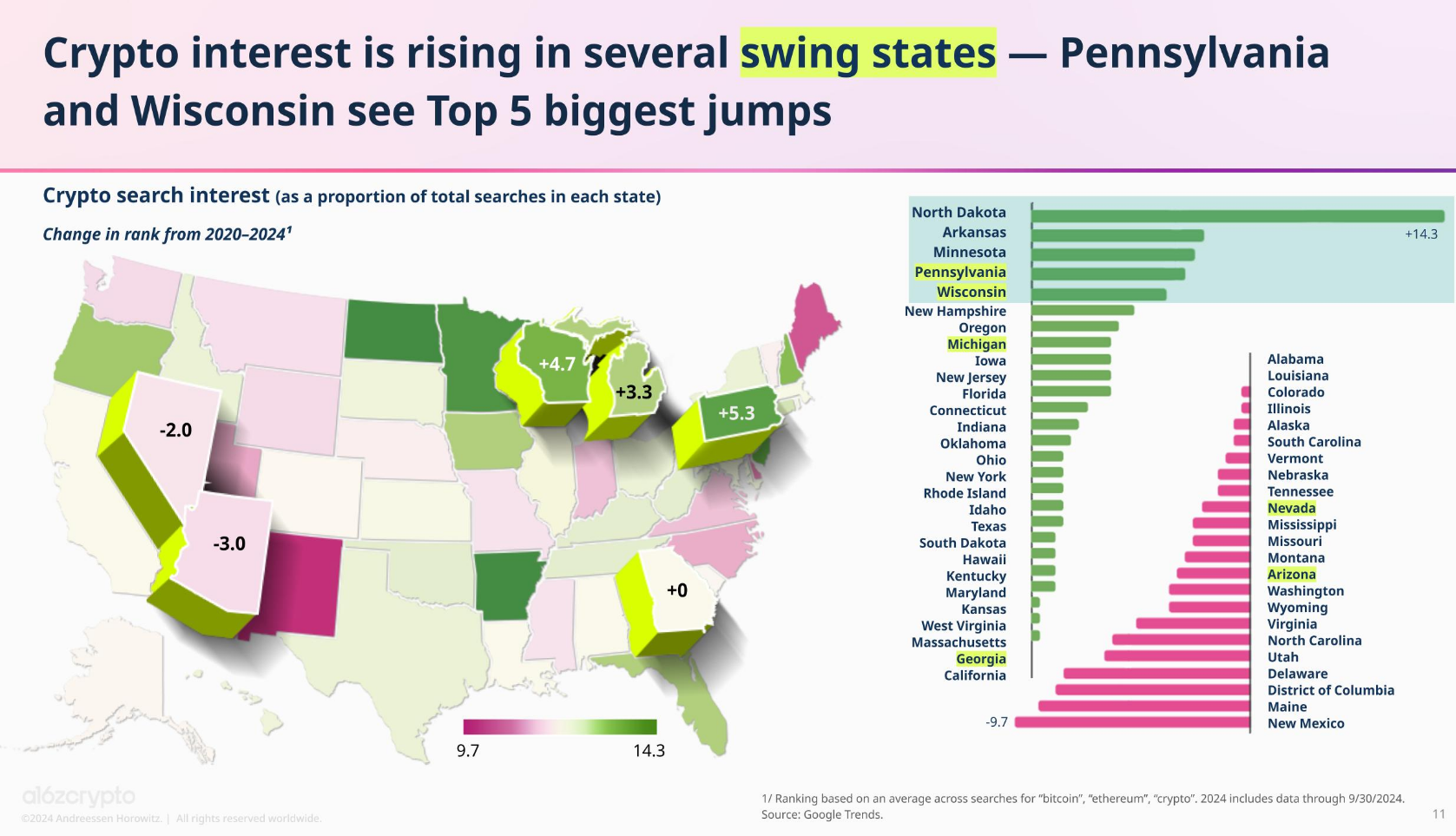
As a result, we measured the relative interest levels in cryptocurrency in swing states. In two states expected to be the most fiercely contested battlegrounds in November—Pennsylvania and Wisconsin—crypto search interest has surged to fourth and fifth place, respectively, in terms of total search volume according to Google Trends since the last election in 2020. Michigan's crypto search interest jumped to eighth place, while Georgia remained unchanged. Meanwhile, interest in Arizona and Nevada has declined since 2020.
One factor that may have sparked increased interest in cryptocurrency this year is the launch of Bitcoin and Ethereum exchange-traded products (ETPs). The introduction of these ETPs may broaden investor exposure, thereby increasing the number of Americans holding cryptocurrency. Currently, Bitcoin and Ethereum ETPs have accumulated $65 billion in on-chain holdings. (Note: Although commonly referred to as ETFs, these products are actually ETPs registered using SEC S-1 forms, indicating that their underlying portfolios do not consist of securities.)
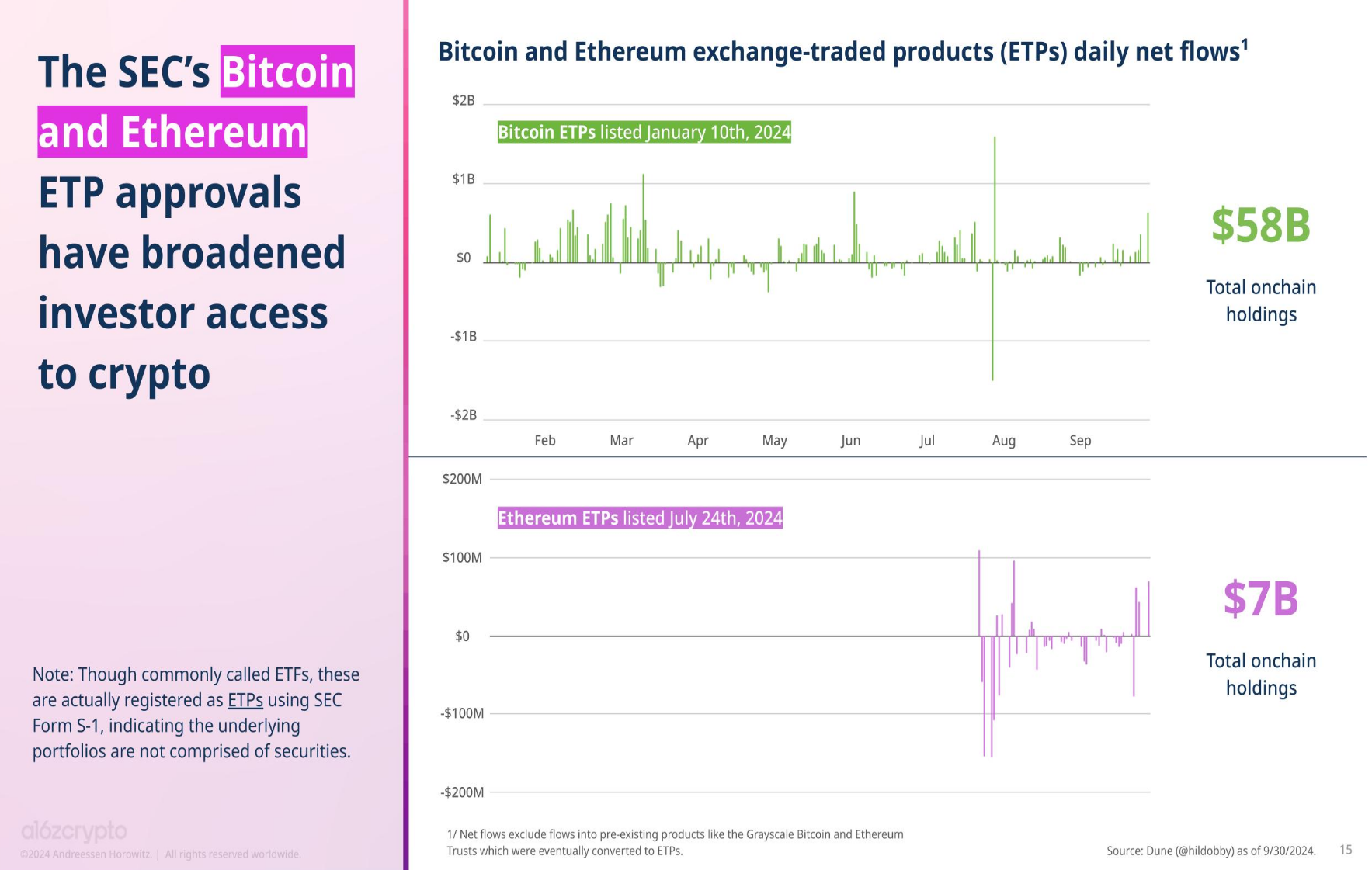
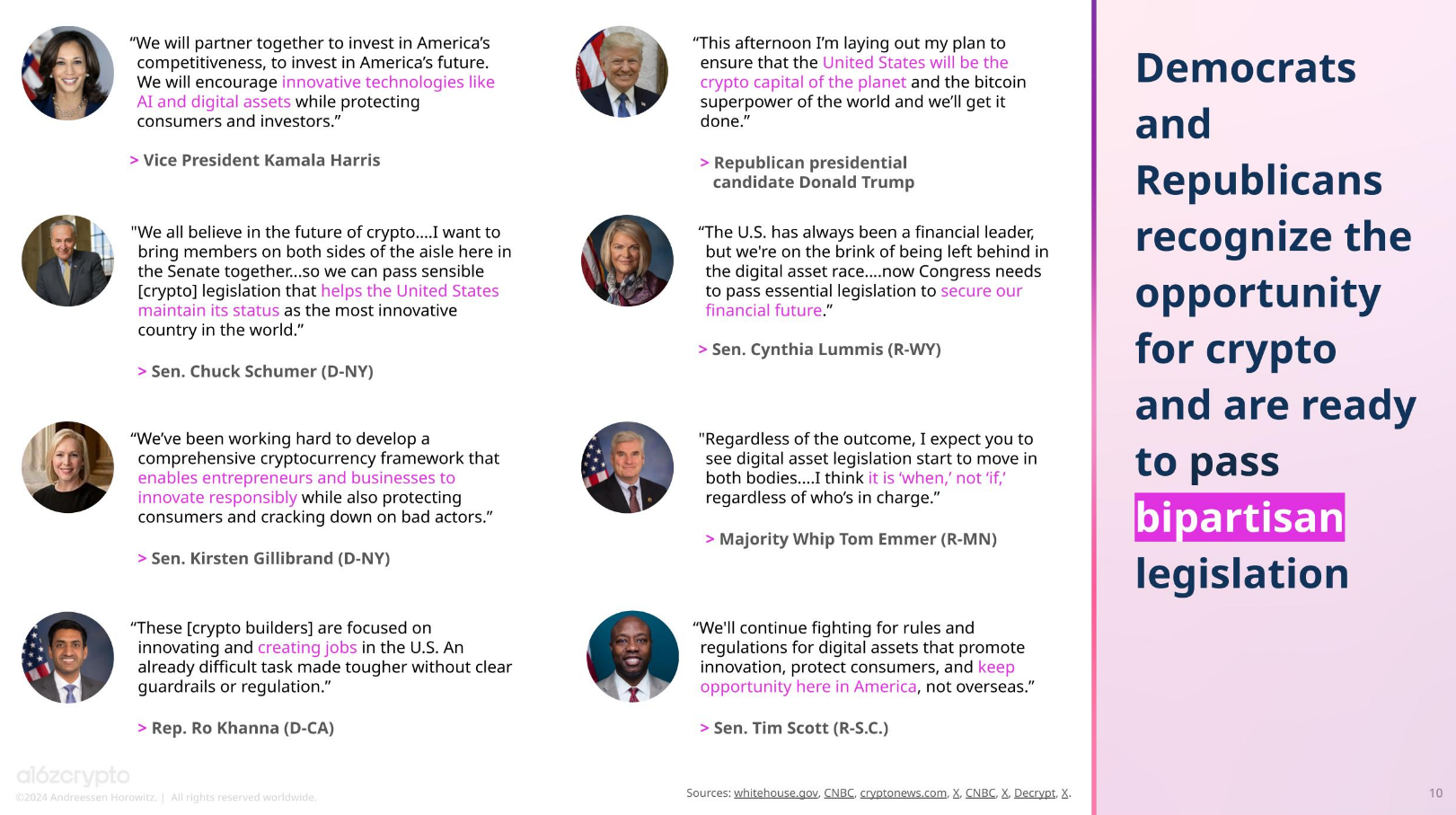
The SEC's approval of ETPs marks an important milestone in crypto policy. Regardless of which party wins in November, many politicians expect bipartisan cooperation on cryptocurrency legislation to gain momentum. An increasing number of policymakers and political figures from both parties have expressed positive views on cryptocurrency.
This year, the industry has also sparked other important movements in the policy arena. At the federal level, the House passed the "Financial Innovation and Technology for the 21st Century Act" (FIT21) with bipartisan support, with 208 Republicans and 71 Democrats voting in favor. After review and approval by the Senate, the bill is expected to provide much-needed regulatory clarity for crypto entrepreneurs.
Equally important, at the state level, Wyoming passed the "Decentralized Nonprofit Association Act" (DUNA), which provides legal recognition for decentralized autonomous organizations (DAOs), allowing blockchain networks to operate legally without undermining the principles of decentralization.
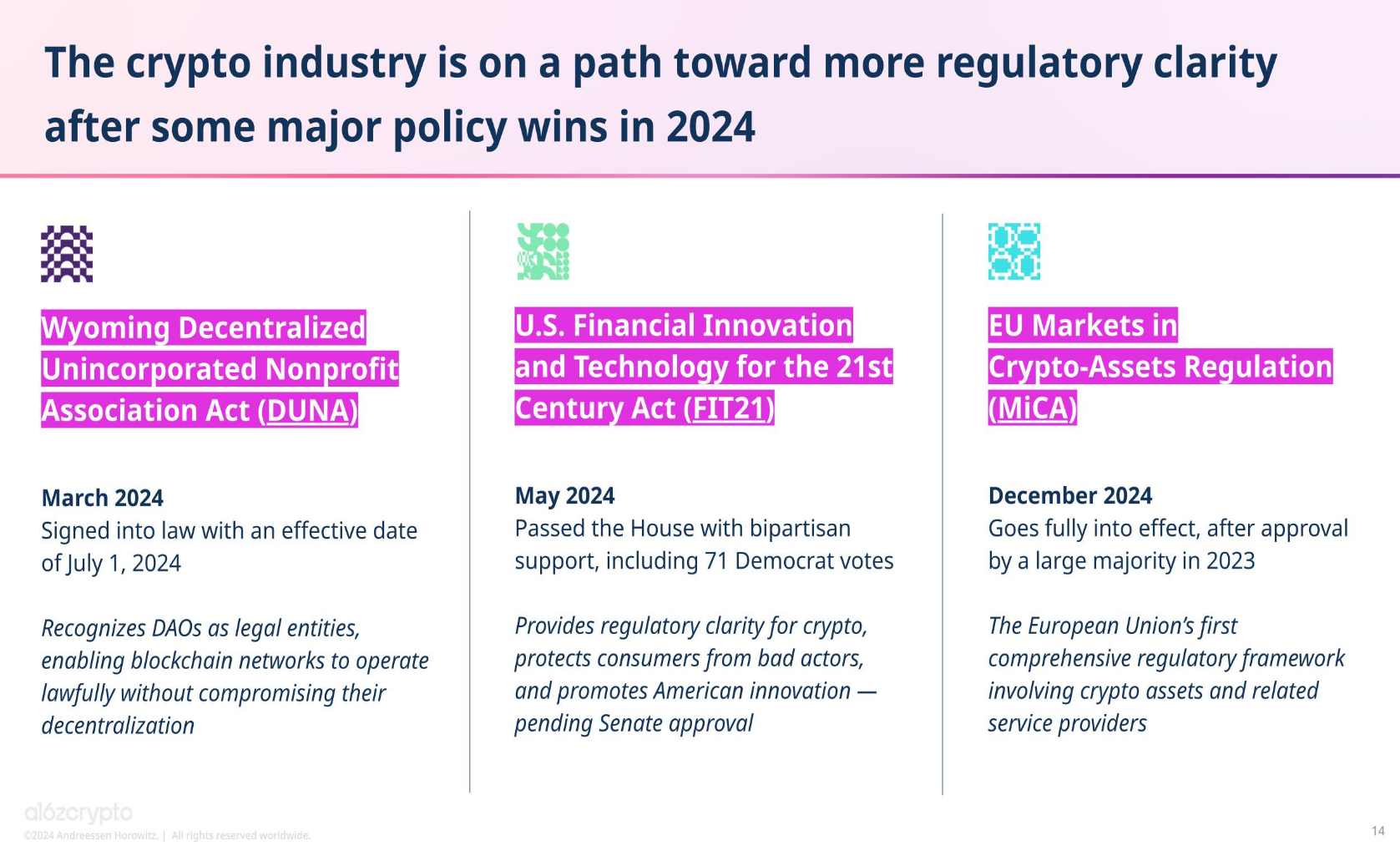
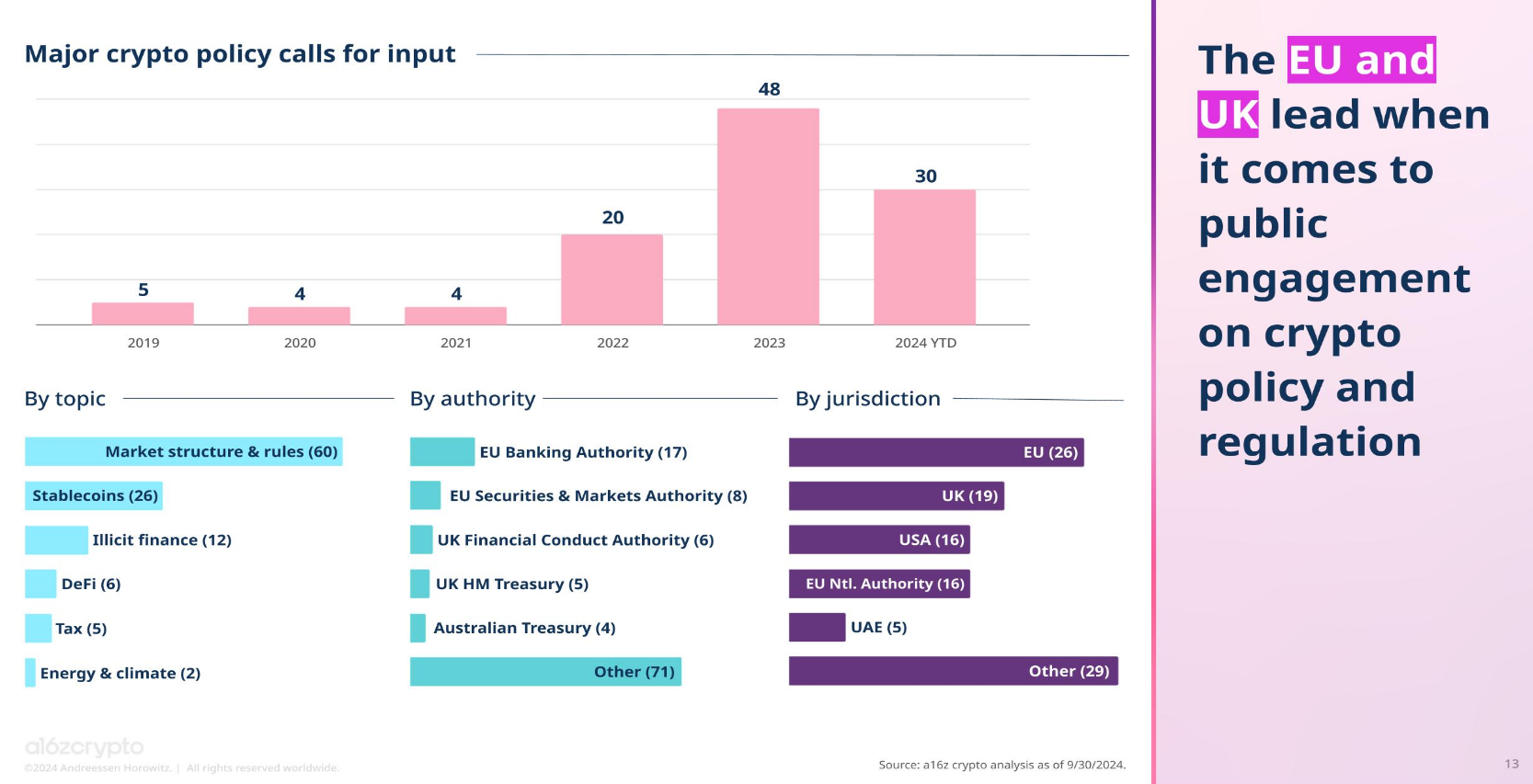
The EU and the UK have been the most proactive in engaging the public on crypto policy and regulatory issues. Compared to the U.S. Securities and Exchange Commission, various European institutions have issued more requests for public consultation. Meanwhile, the EU's "Markets in Crypto-Assets" (MiCA) is the first comprehensive regulatory framework for crypto-related policies, expected to come into full effect by the end of the year.
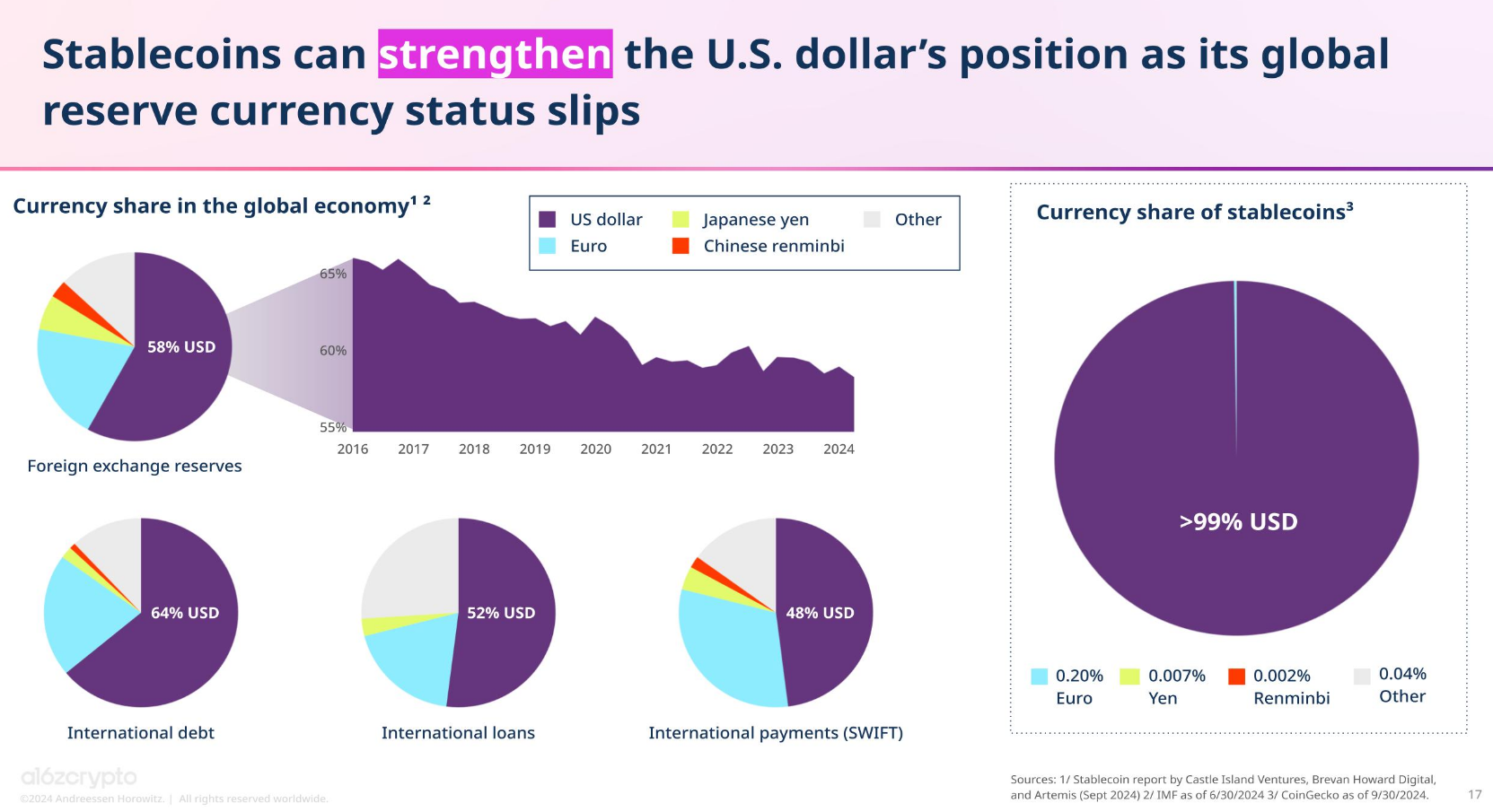
Stablecoins—now one of the most popular crypto products—are one of the biggest topics in policy discussions, with several related bills currently in the works in Congress. In the U.S., stablecoins are seen as a means to solidify the dollar's position overseas, despite a decline in the dollar's status as a global reserve currency. Currently, over 99% of stablecoins are pegged to the dollar, far exceeding the second-largest pegged currency, the euro, which accounts for only 0.20%.
In addition to showcasing the global influence of the U.S. dollar, stablecoins may also enhance the national financial infrastructure domestically. Despite being only a decade old, stablecoins have already become one of the top 20 holders of U.S. debt, surpassing countries like Germany.
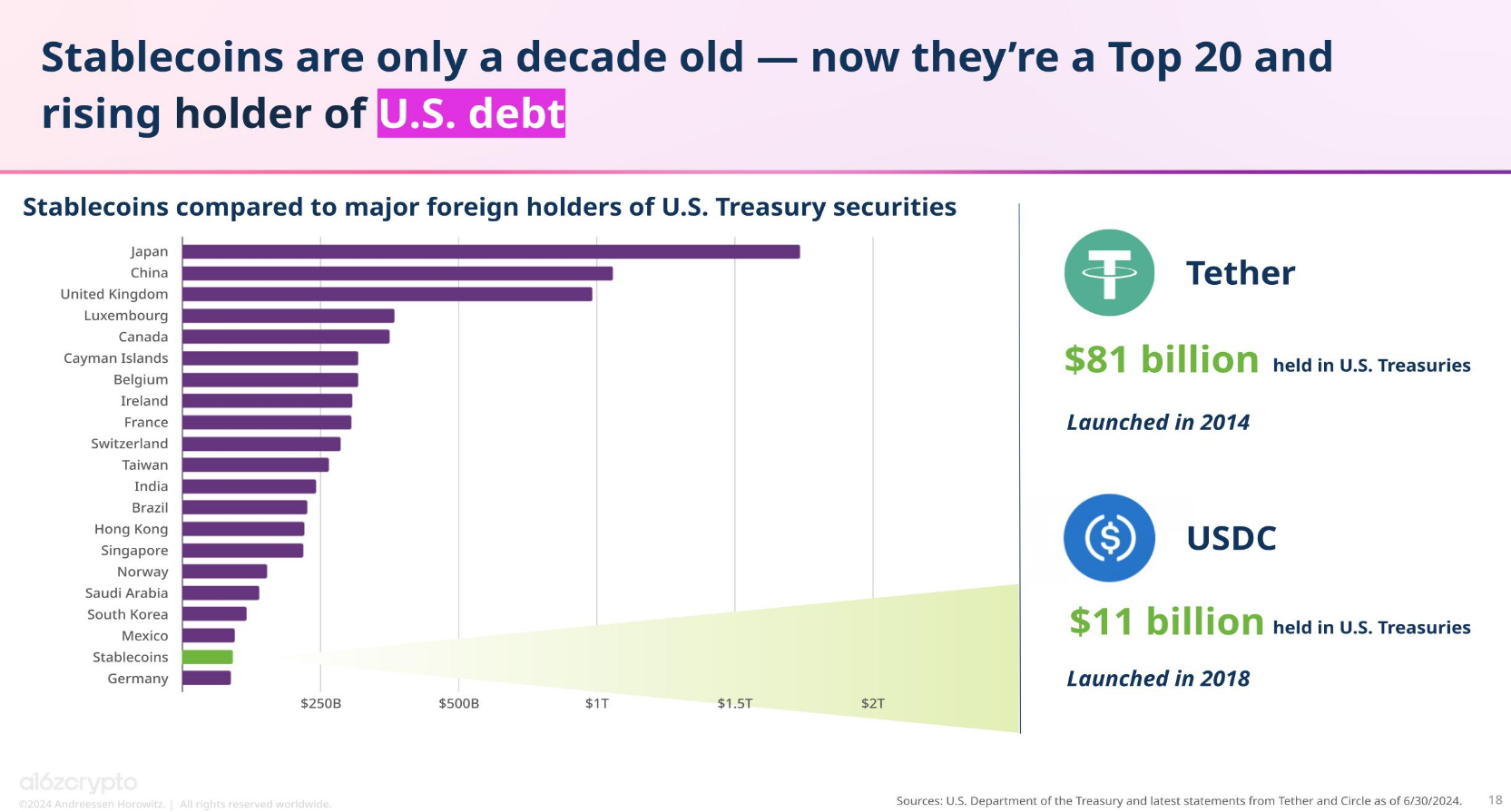
While some countries are exploring Central Bank Digital Currencies (CBDCs), the opportunity for stablecoins in the U.S. is ripe for the taking. Against the backdrop of these discussions and the increasing number of prominent political figures expressing views on cryptocurrency, we expect more countries to begin seriously formulating their crypto policies and strategies.
3. Stablecoins have found product-market fit
By enabling fast, low-cost global payments and various other uses, stablecoins have become one of the most obvious "killer applications" of cryptocurrency. As New York Congressman Ritchie Torres wrote in a commentary for the New York Daily News: "The proliferation of dollar stablecoins—thanks to the ubiquity of smartphones and blockchain's cryptographic technology—could become the largest financial empowerment experiment in human history."
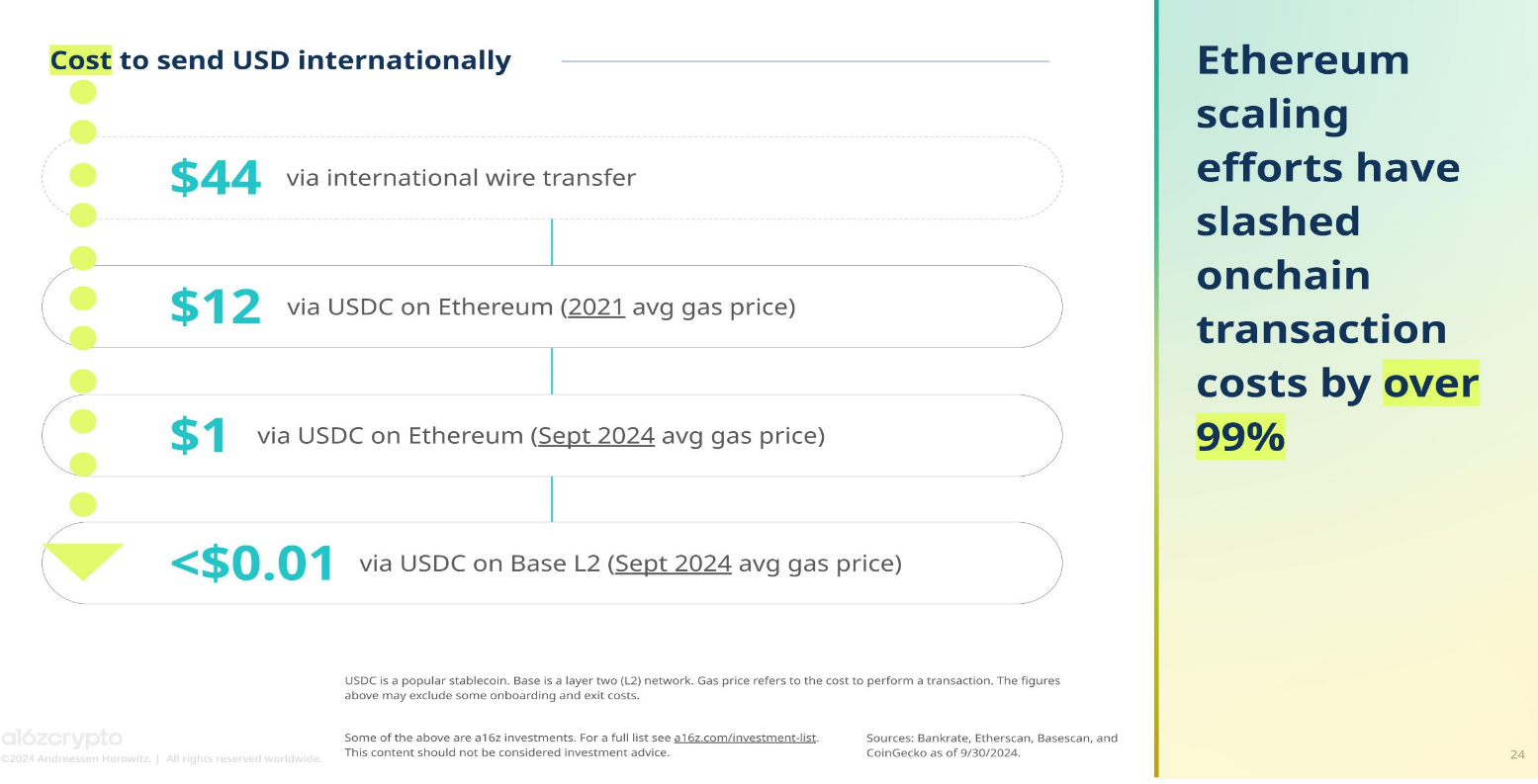
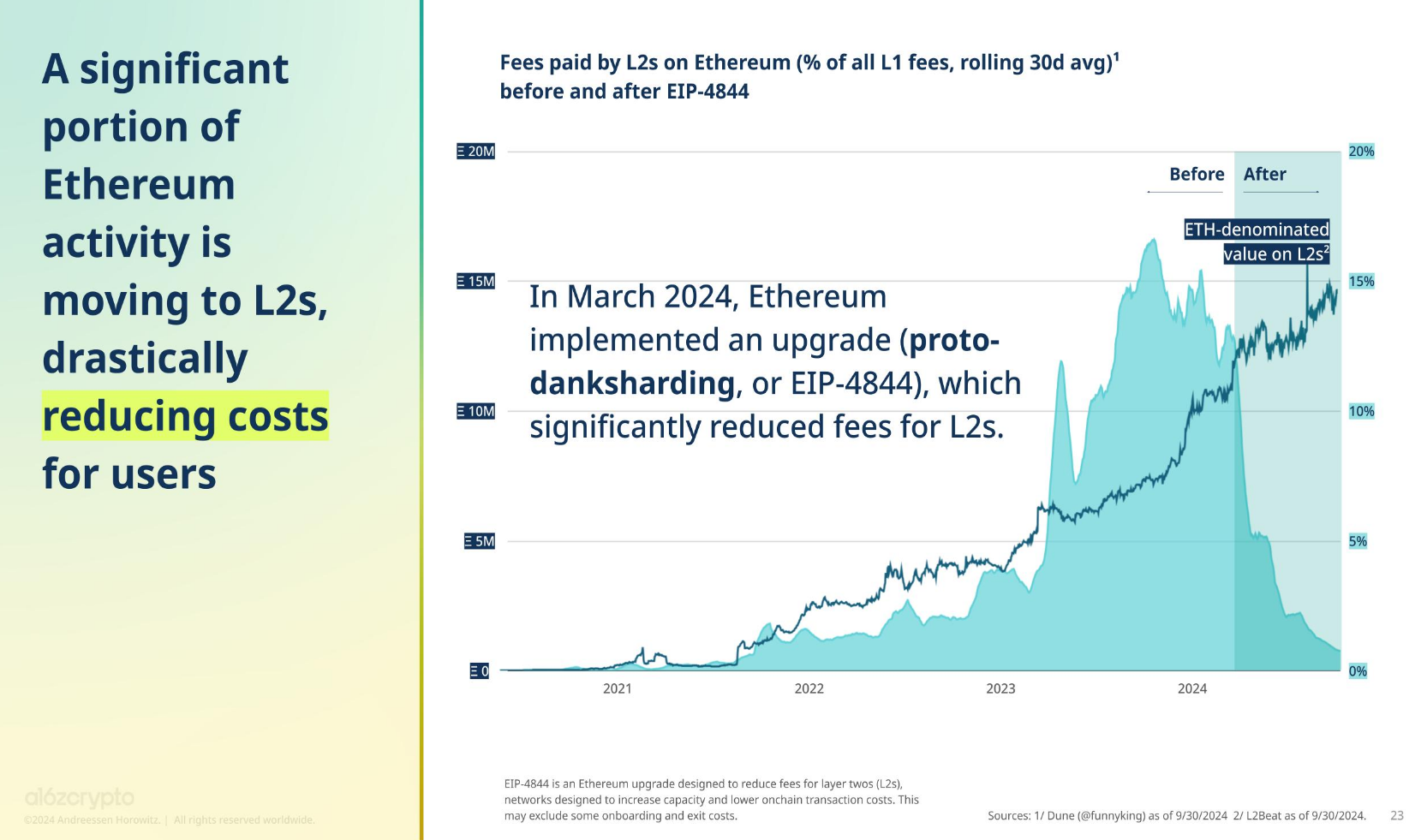
Major scaling upgrades have significantly reduced the cost of executing crypto transactions (including stablecoin transactions), sometimes by more than 99%. On Ethereum, the average gas fee for transactions involving USDC (a popular dollar-pegged stablecoin) this month was $1, compared to an average of $12 in 2021. On Coinbase's popular L2 network Base, the average cost of sending USDC is less than one cent. (Note that these figures may not include certain entry and exit fees.)
In contrast, the average fee for international wire transfers is $44.
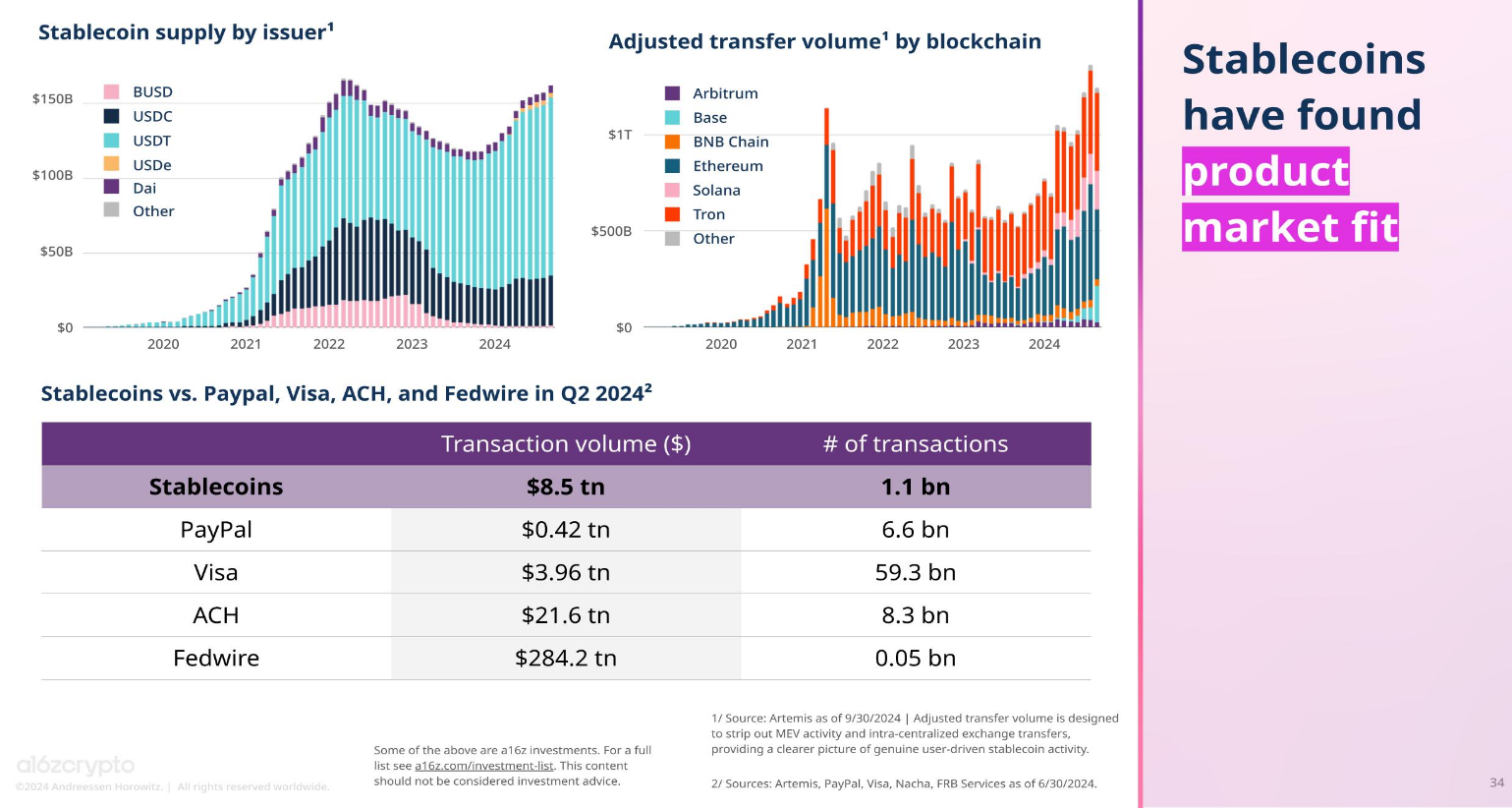
Stablecoins make value transfer effortless. By the end of Q2 2024 (June 30), the transaction volume of stablecoins reached $8.5 trillion, involving 1.1 billion transactions. During the same period, the transaction volume of stablecoins was more than double Visa's $3.9 trillion transaction volume. Stablecoins are able to engage in the same level of dialogue with well-known and entrenched payment services like Visa, PayPal, ACH, and Fedwire, fully demonstrating their practicality.
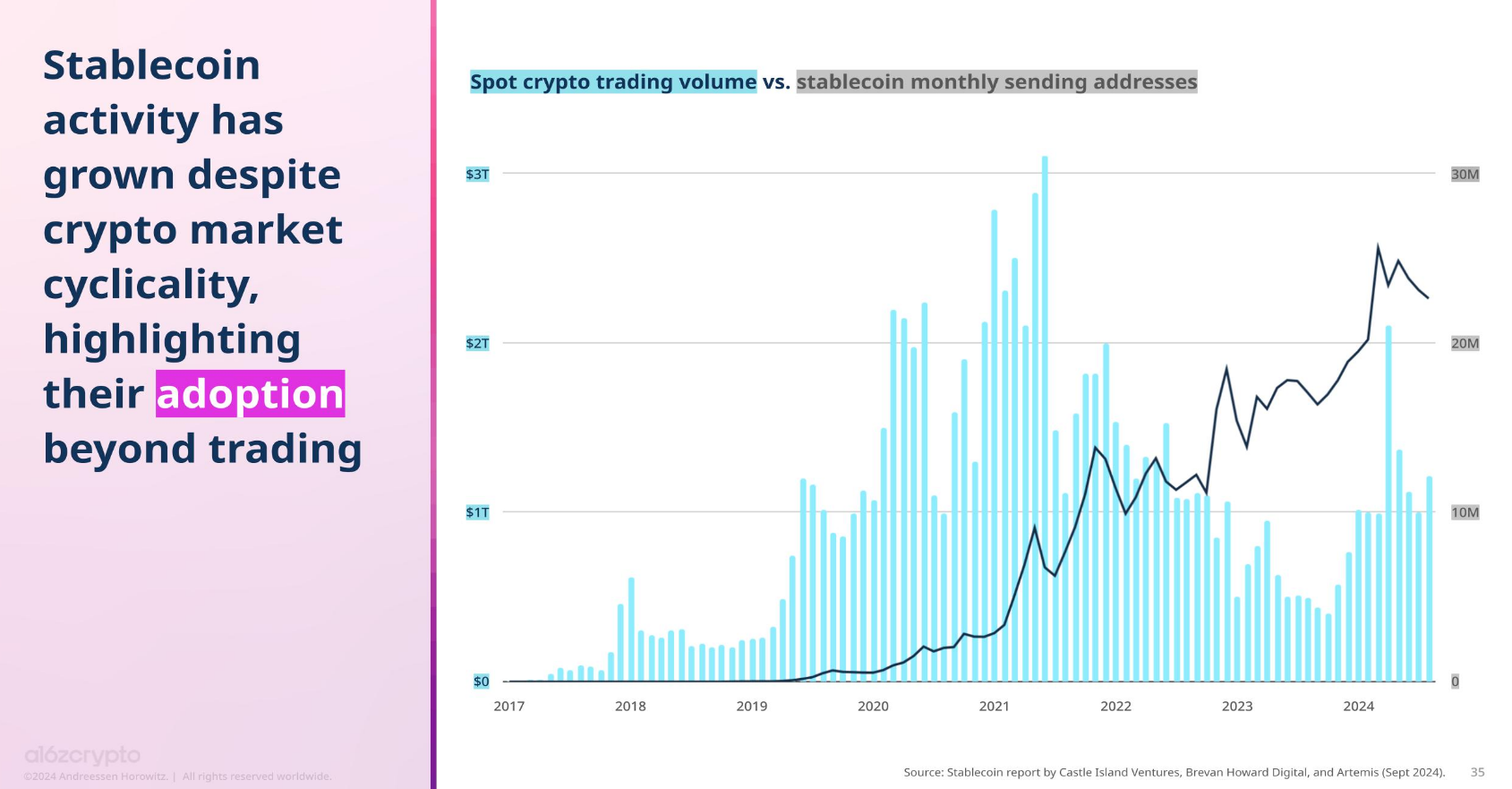
Stablecoins are not just a passing trend. When comparing stablecoin activity with the volatility cycles of the crypto market, the two seem unrelated. In fact, despite a decline in spot crypto trading volume, the number of monthly active addresses sending stablecoins continues to increase. In other words, people seem to be using stablecoins for more than just trading.
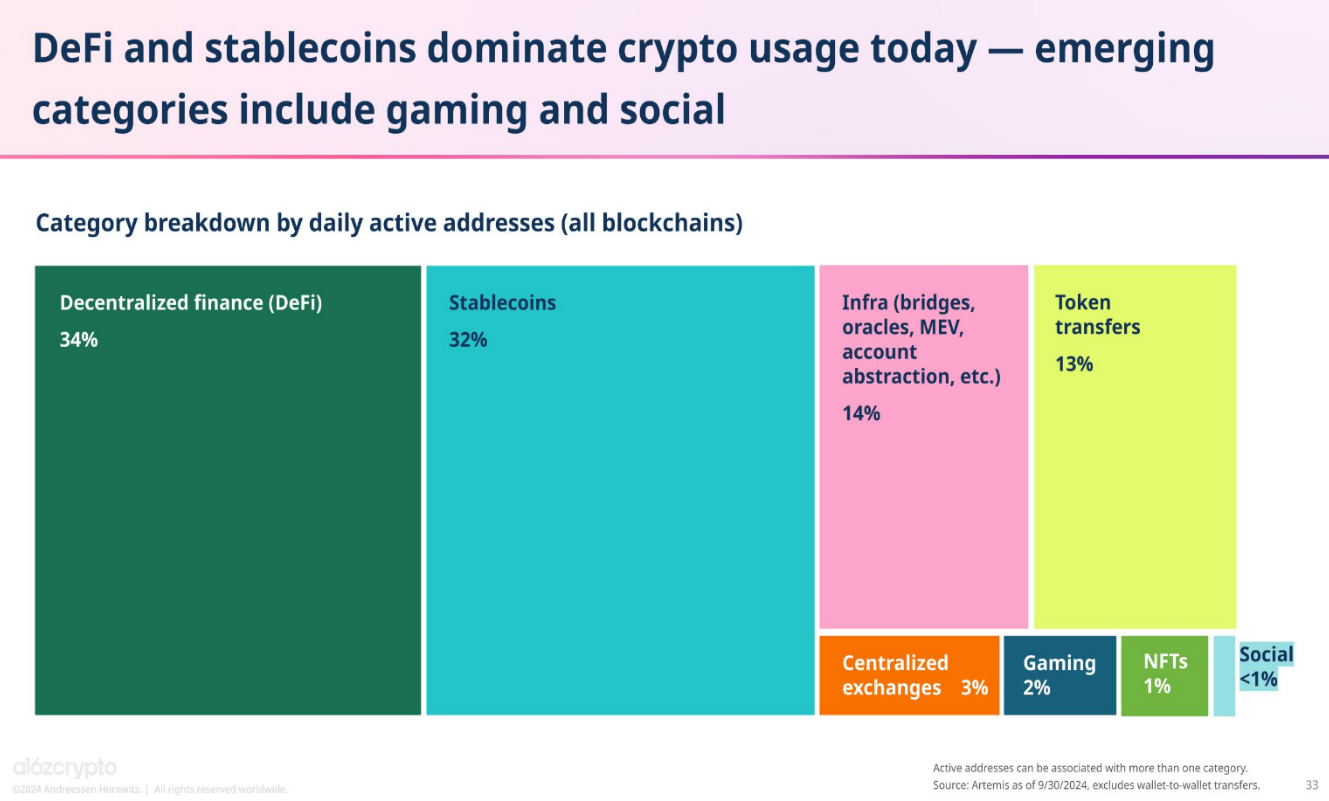
All this activity is reflected in usage statistics. Stablecoins account for nearly one-third of daily crypto usage, reaching 32%, second only to decentralized finance (DeFi) at 34%, as measured by the share of daily active addresses. The remaining crypto usage is distributed across infrastructure (such as bridging, oracles, maximum extractable value, account abstraction, etc.), token transfers, and various emerging applications, including gaming, NFTs, and social networks.
4. Infrastructure improvements have increased capacity and significantly reduced transaction costs
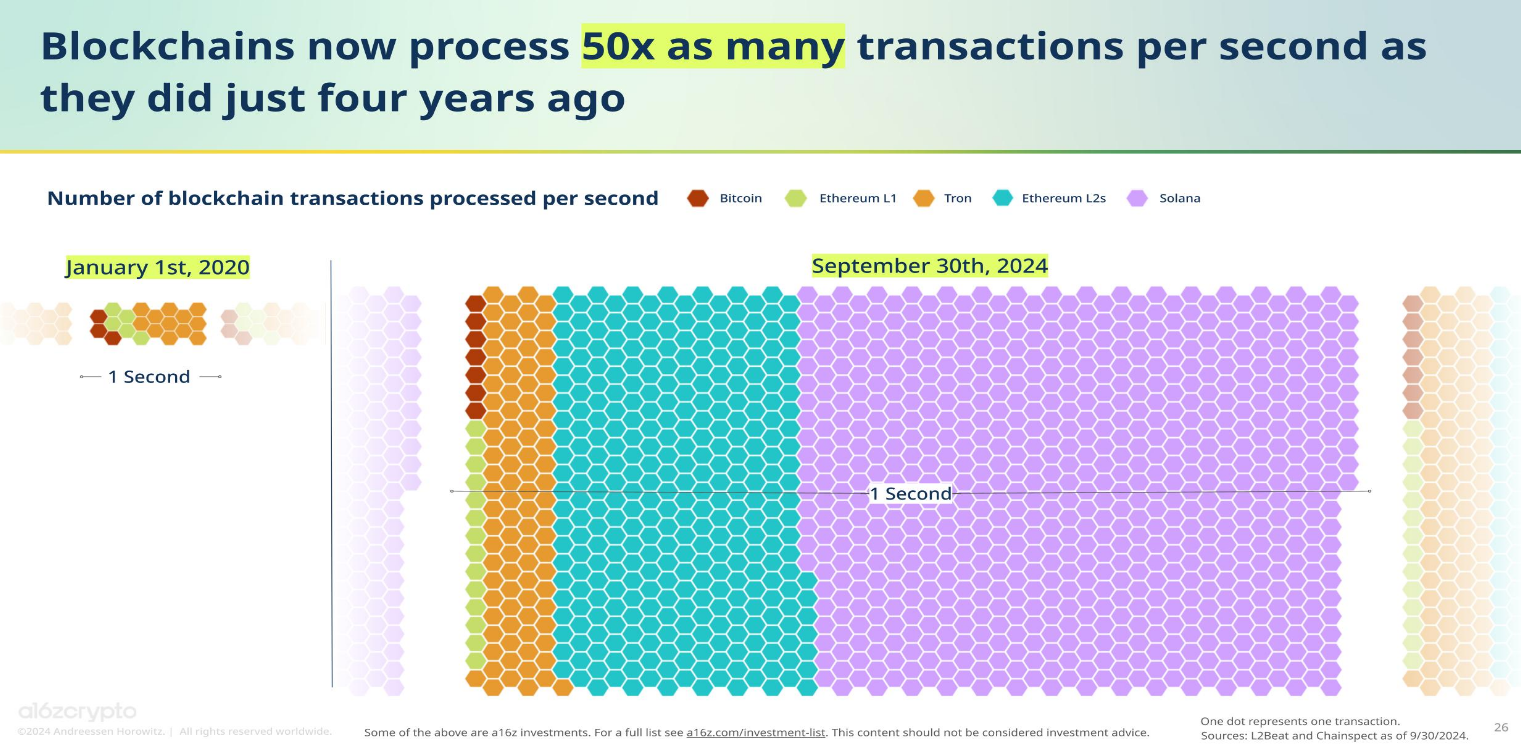
The popularity and ease of use of stablecoins are partly due to the infrastructure advancements behind them. First, the processing capacity of blockchains is increasing. Thanks to the rise of Ethereum L2 networks and other high-throughput blockchains, the number of transactions processed by blockchains per second has increased more than 50 times compared to four years ago.
More notably, Ethereum's biggest upgrade this year—"Dencun," also known as "protodanksharding" or EIP-4844—was implemented in March 2024 and significantly reduced fees on L2 networks. Since then, although the value of Ethereum on L2 has continued to rise, the fees for L2 payments have dropped significantly. In other words, blockchain networks are becoming more popular while also becoming more efficient.
The same is true for zero-knowledge (ZK) proofs, which have significant implications for blockchain scalability, privacy, and interoperability. Although monthly spending on verifying ZK proofs on Ethereum has decreased, the value of Ethereum on ZK rollups has increased. In other words, ZK proofs are becoming cheaper while also gaining popularity. (Here, we use "zero-knowledge" as a general term to describe cryptography that can succinctly prove that computations transferring to rollup networks have been executed correctly.)
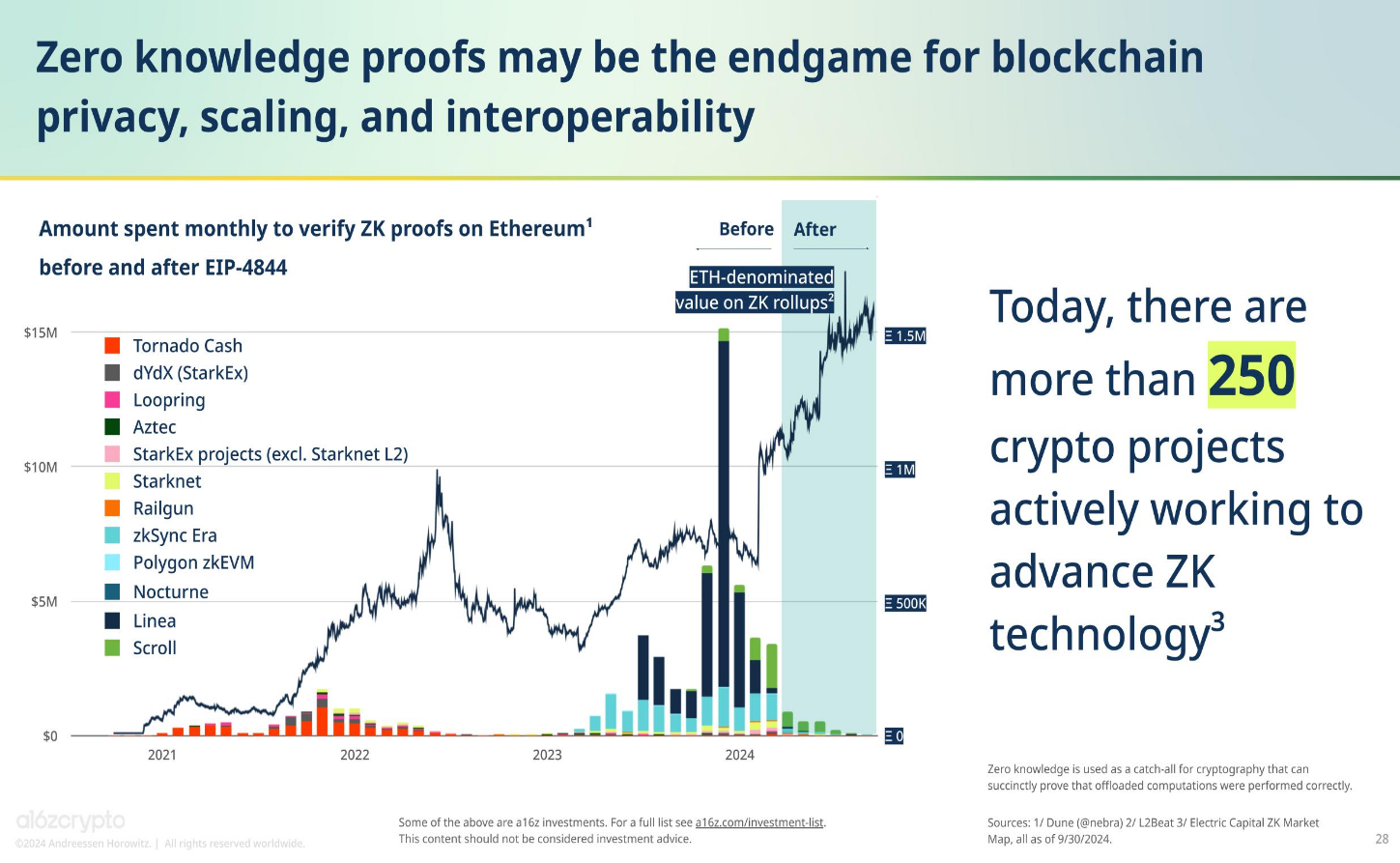
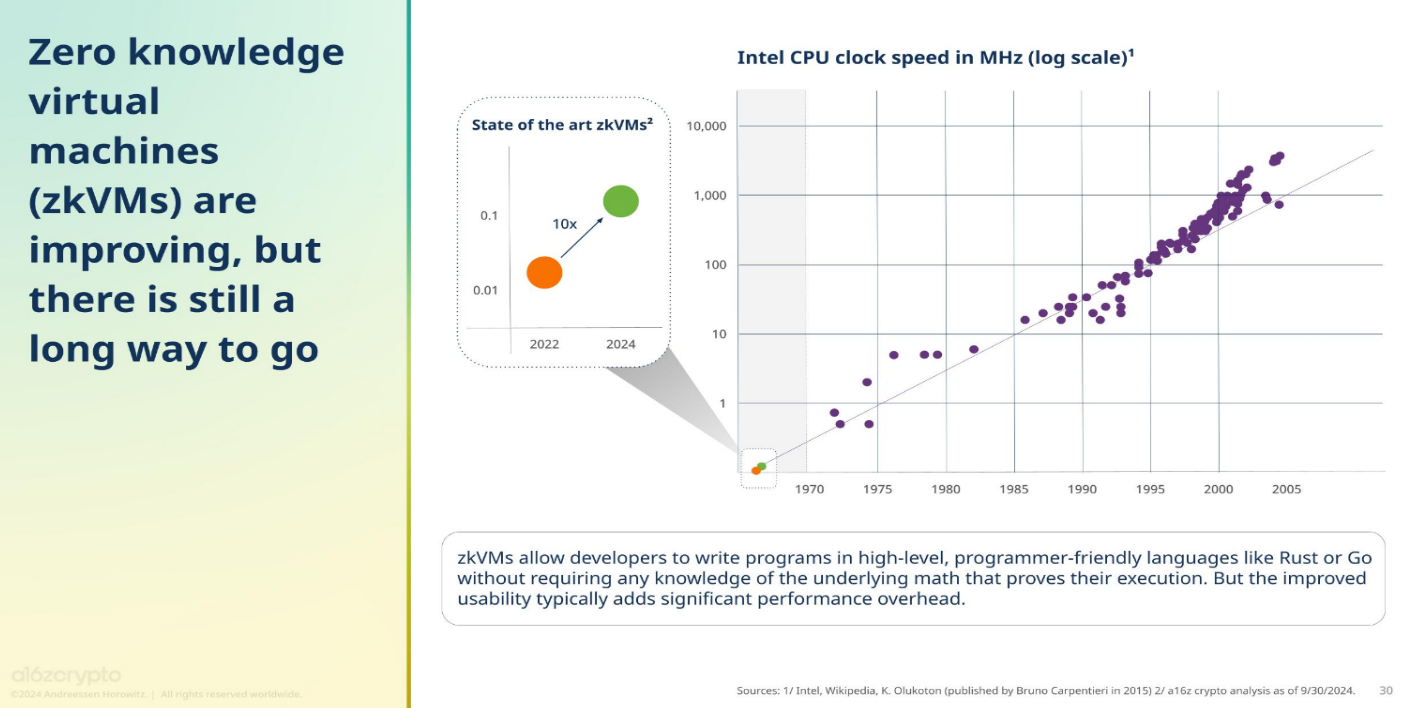
ZK technology holds great potential as it opens up new avenues for developers to achieve cheap, verifiable blockchain computation. However, ZK-based virtual machines (zkVMs) still have a long way to go to match the performance of traditional computers—this is worth pondering.
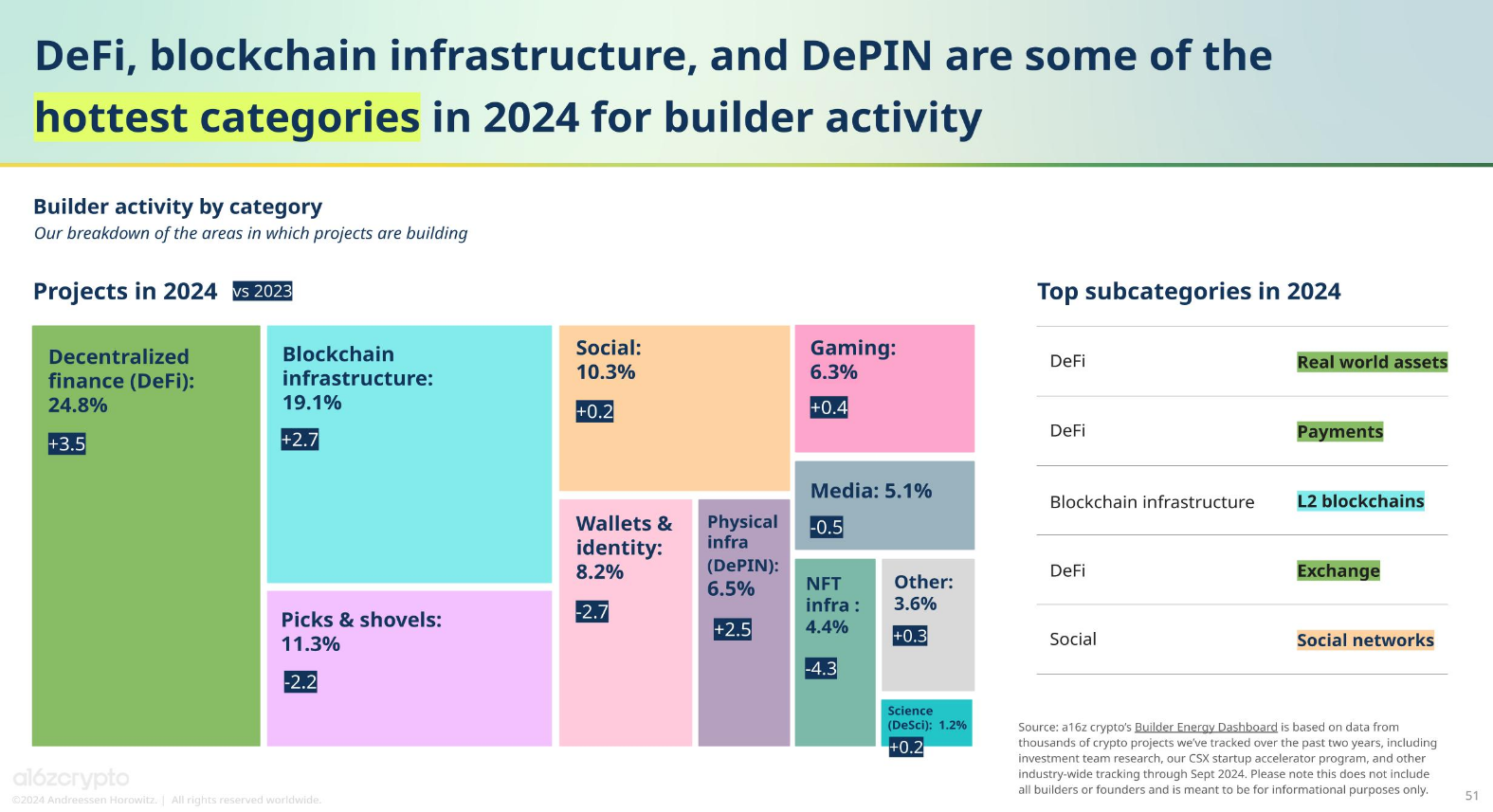
Given all these infrastructure improvements, it is easy to understand why blockchain infrastructure remains one of the most popular categories for builders and why L2 has become one of the top five hot subcategories we track.
5. Decentralized finance (DeFi) remains popular and is growing
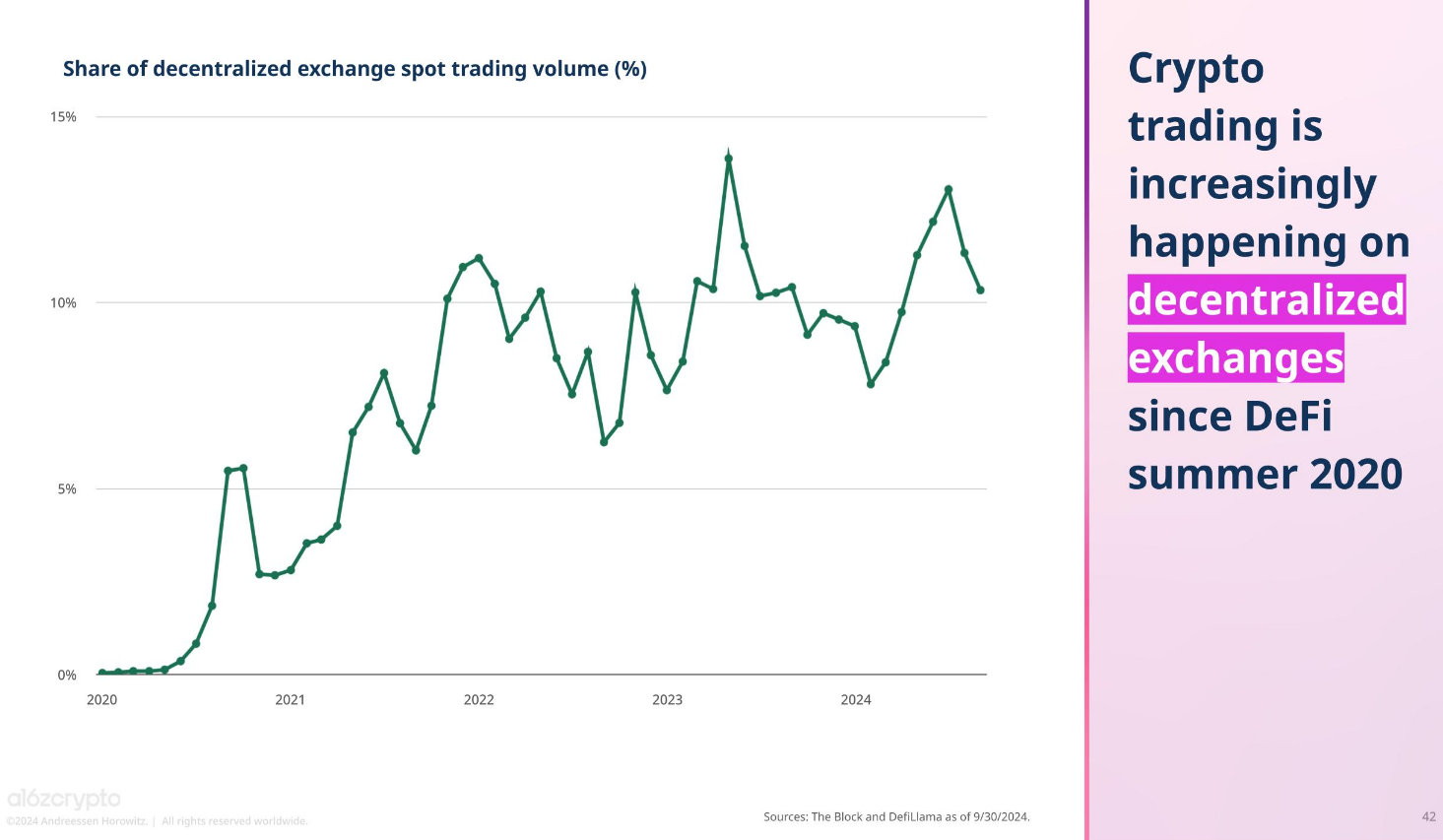
**The only category attracting builders more than blockchain infrastructure is **Decentralized Finance (DeFi), which accounts for 34% of total crypto usage in daily active addresses. Since the emergence of DeFi in the summer of 2020, decentralized exchanges (DEXs) have accounted for 10% of spot crypto trading activity, whereas four years ago, all of this occurred on centralized exchanges.
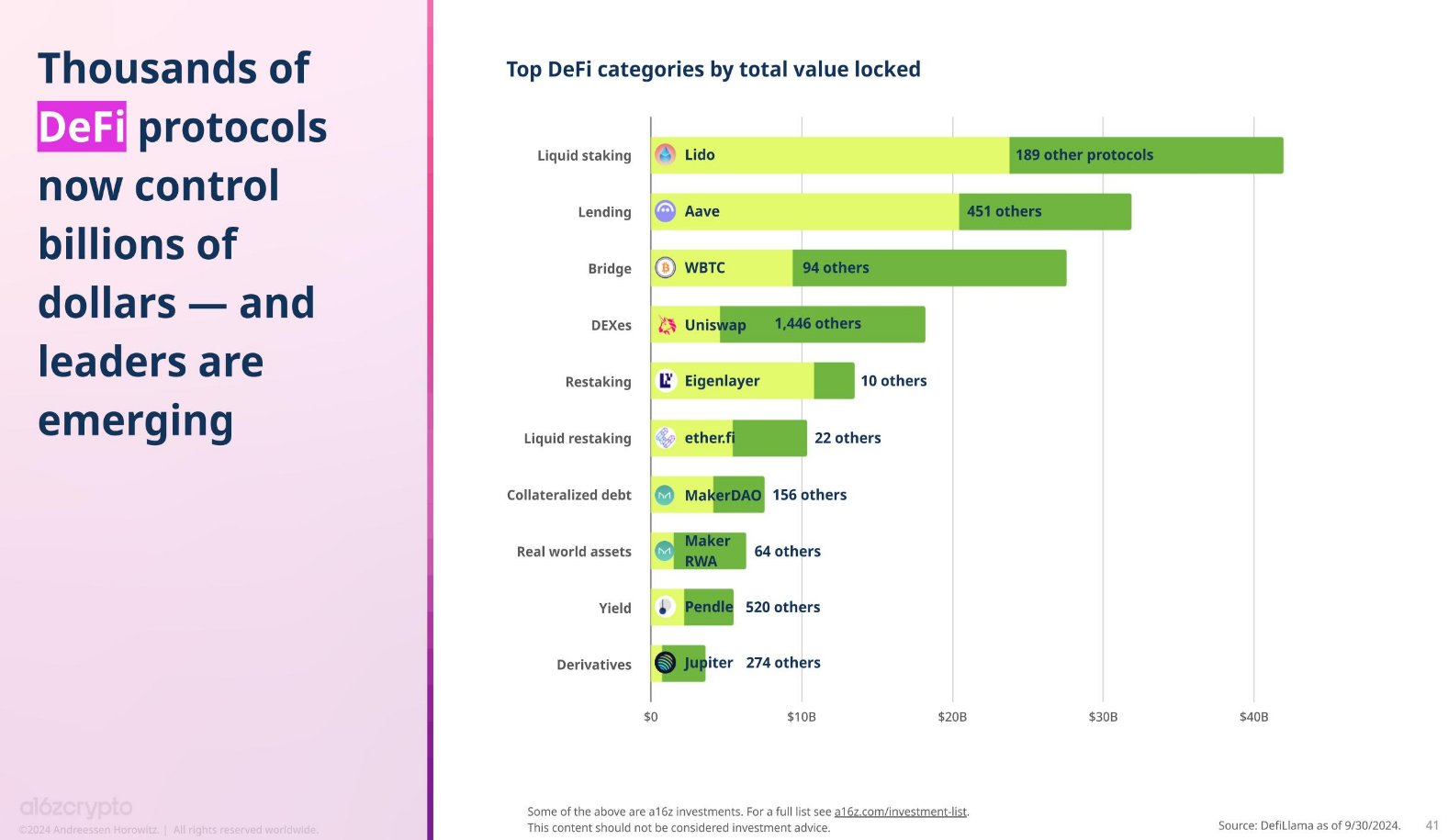
Currently, over $169 billion is locked in thousands of DeFi protocols. Some major DeFi subcategories include staking and lending.
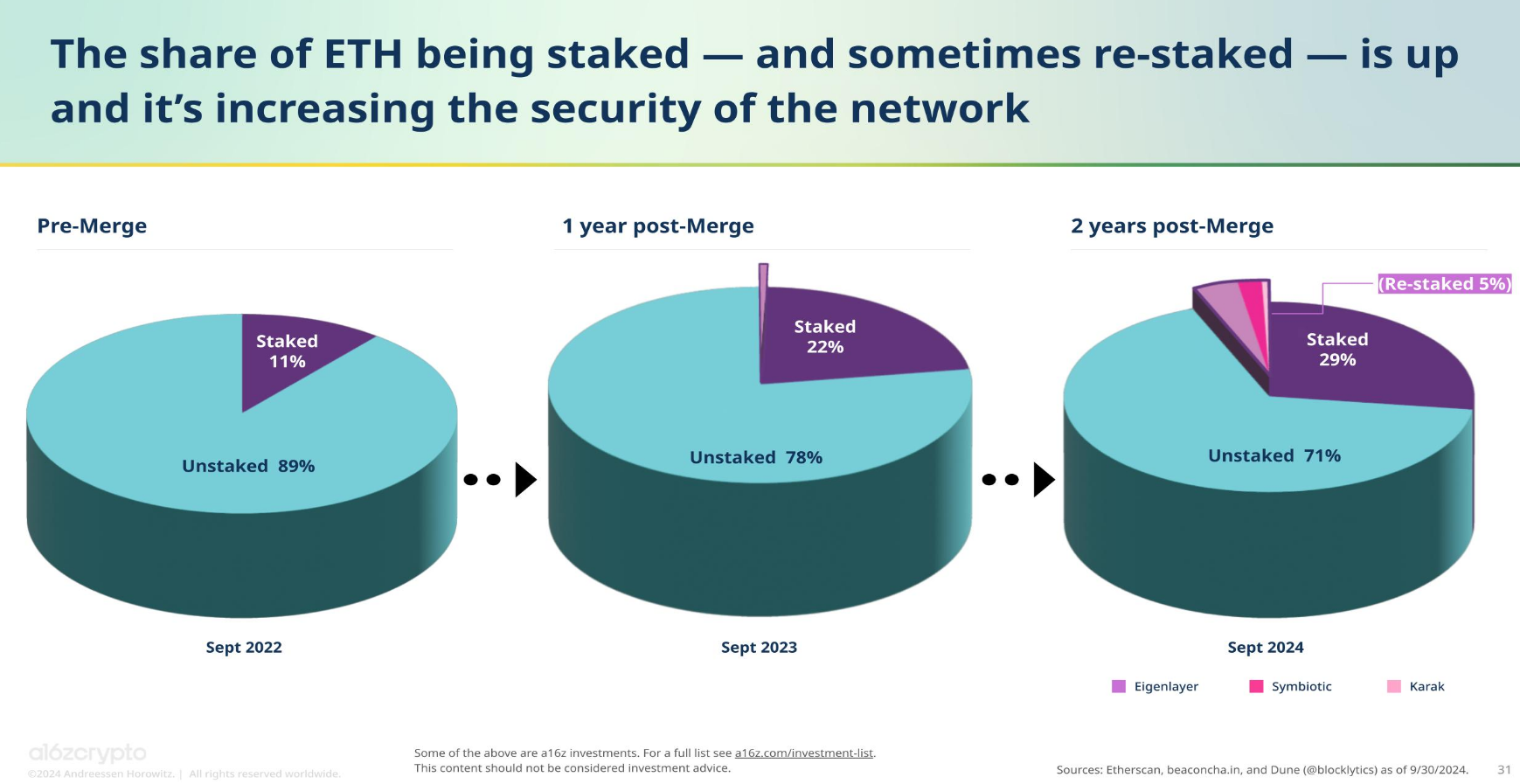
**It has been over two years since Ethereum completed its transition to **Proof-of-Stake, significantly reducing the network's energy consumption and environmental impact. Since then, the proportion of staked Ethereum has risen to 29%, up from just 11% two years ago, greatly enhancing the network's security.
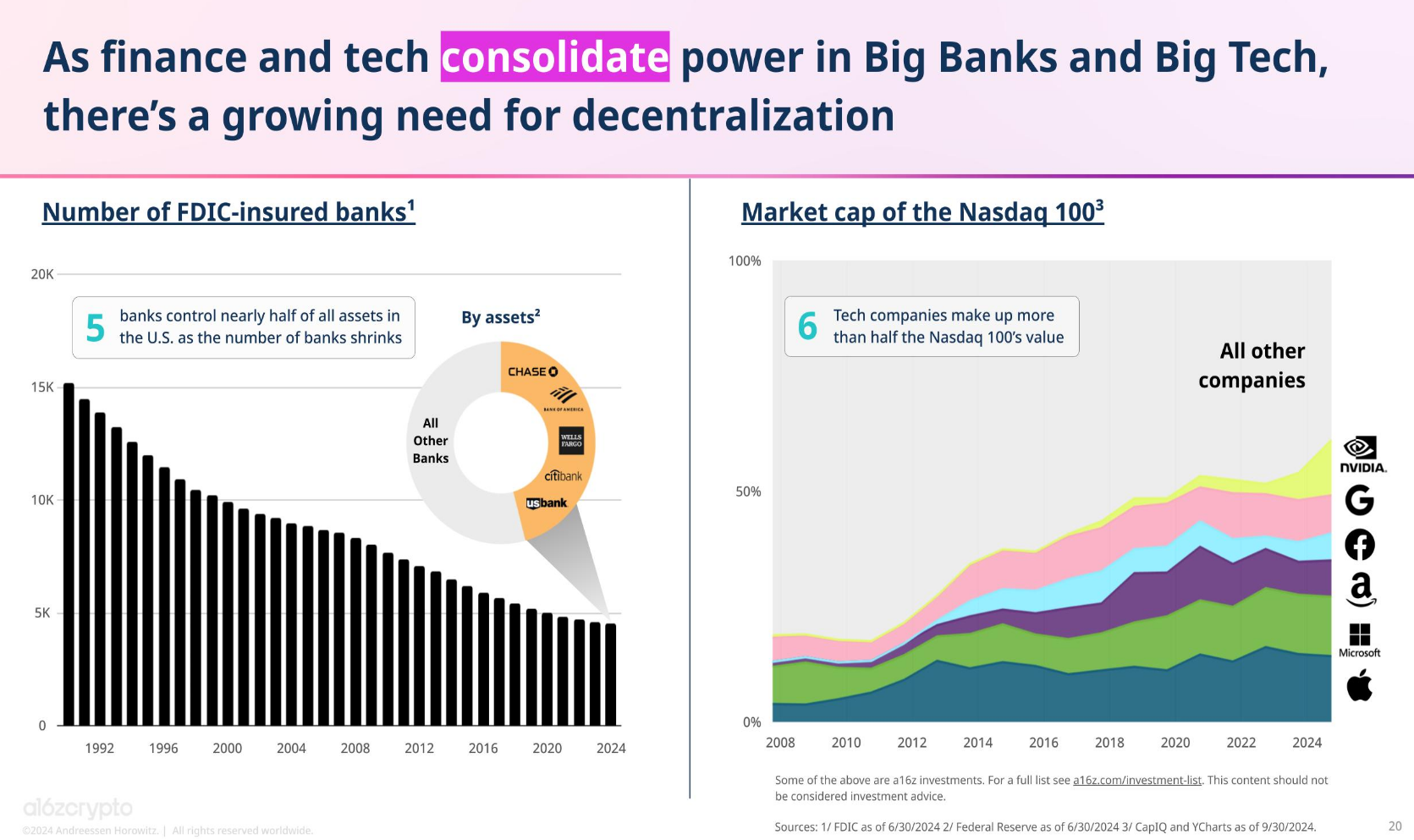
Although still in its early stages, DeFi offers a promising alternative to the trends of centralization and power consolidation in the U.S. financial system. Since 1990, the number of banks has decreased by two-thirds, with fewer and larger banks dominating assets.
6. Cryptocurrency may address some urgent challenges in artificial intelligence
Artificial intelligence is the hottest trend this year, garnering widespread attention not only in the tech sector but also prominently in the crypto space.
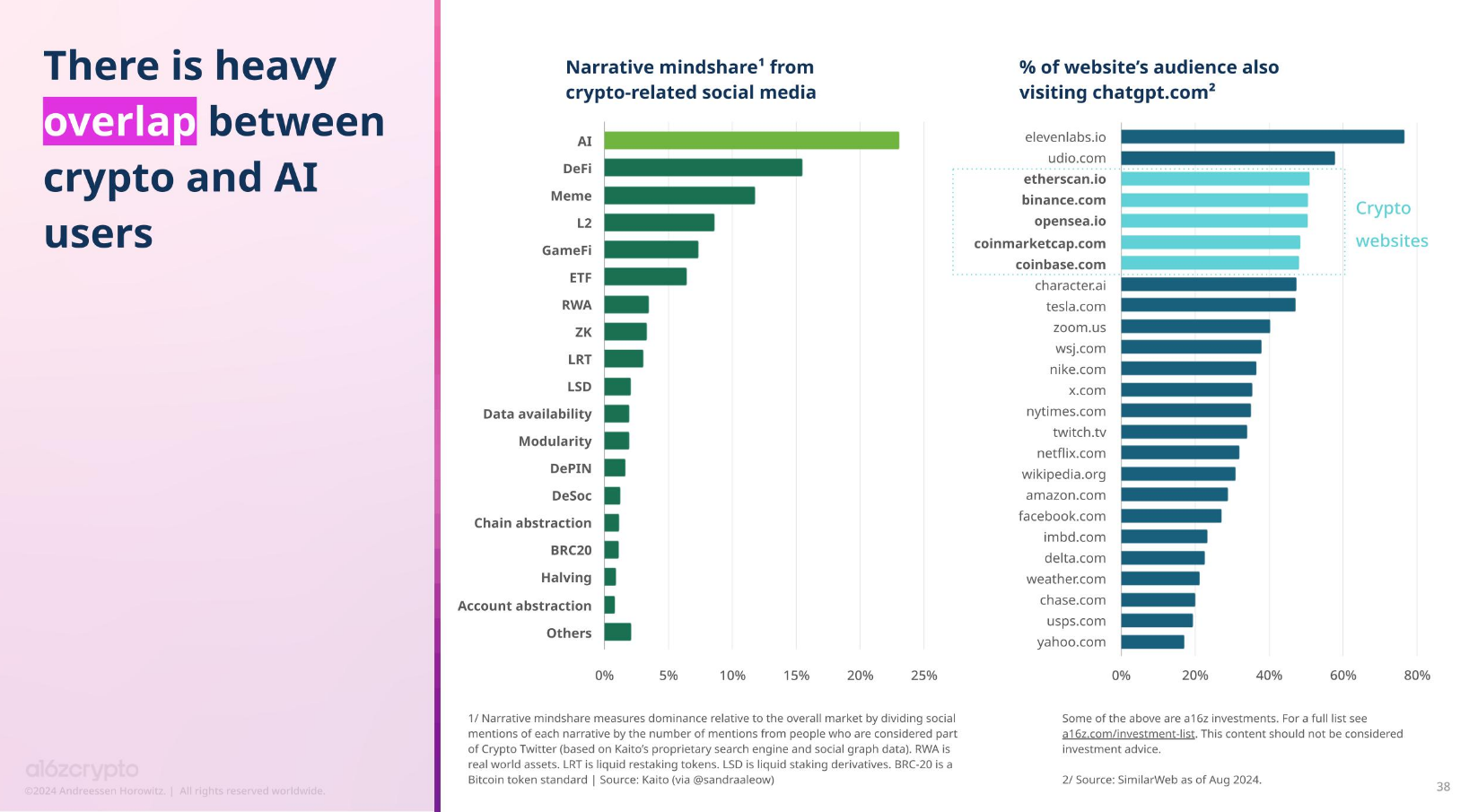
AI has become one of the most discussed trends among crypto influencers on social media. Perhaps more surprisingly, there is significant overlap between visitors to chatgpt.com and top crypto websites, indicating a close connection between crypto users and AI users.
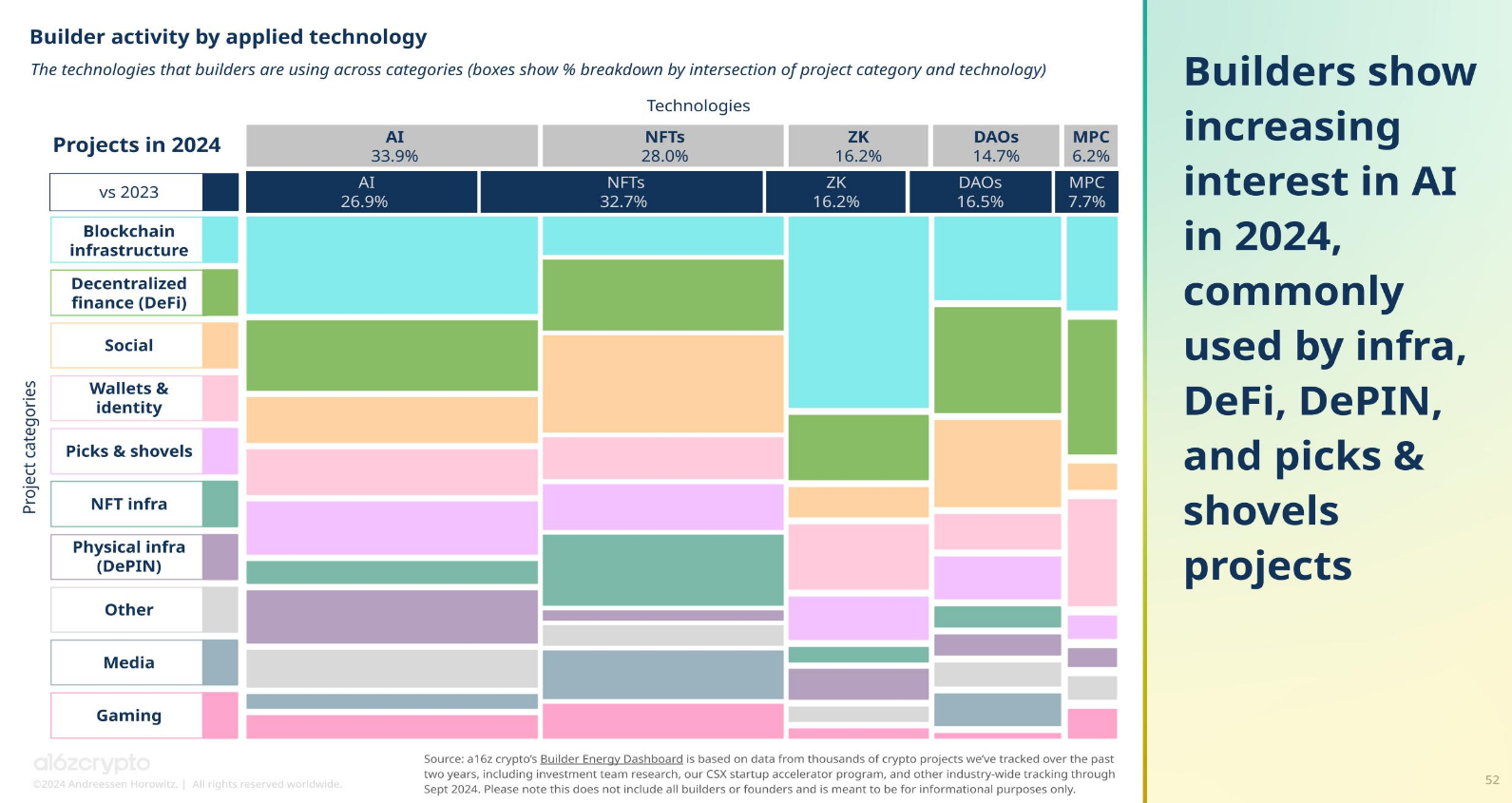
The connection between crypto builders and AI is also very strong. According to our Builder Energy dashboard, about one-third of crypto projects (34%) report that they are using AI, regardless of the category they are building in, an increase from 27% a year ago. The most popular category for applying AI technology is blockchain infrastructure projects.
Given that the cost of training cutting-edge AI models has quadrupled each year over the past decade, we believe AI may lead to increasing centralization of power on the internet. Without intervention, only the largest tech companies may have the resources to train the latest AI models.

In stark contrast to the decentralization opportunities brought by blockchain networks, the centralization-related challenges of AI are raising concerns. Many crypto projects are already attempting to address these challenges, such as Gensyn (democratizing access to AI computing), Story (helping compensate creators by tracking intellectual property), Near (running AI on open-source, user-owned protocols), and Starling Labs (helping verify the authenticity and provenance of digital media), among others.
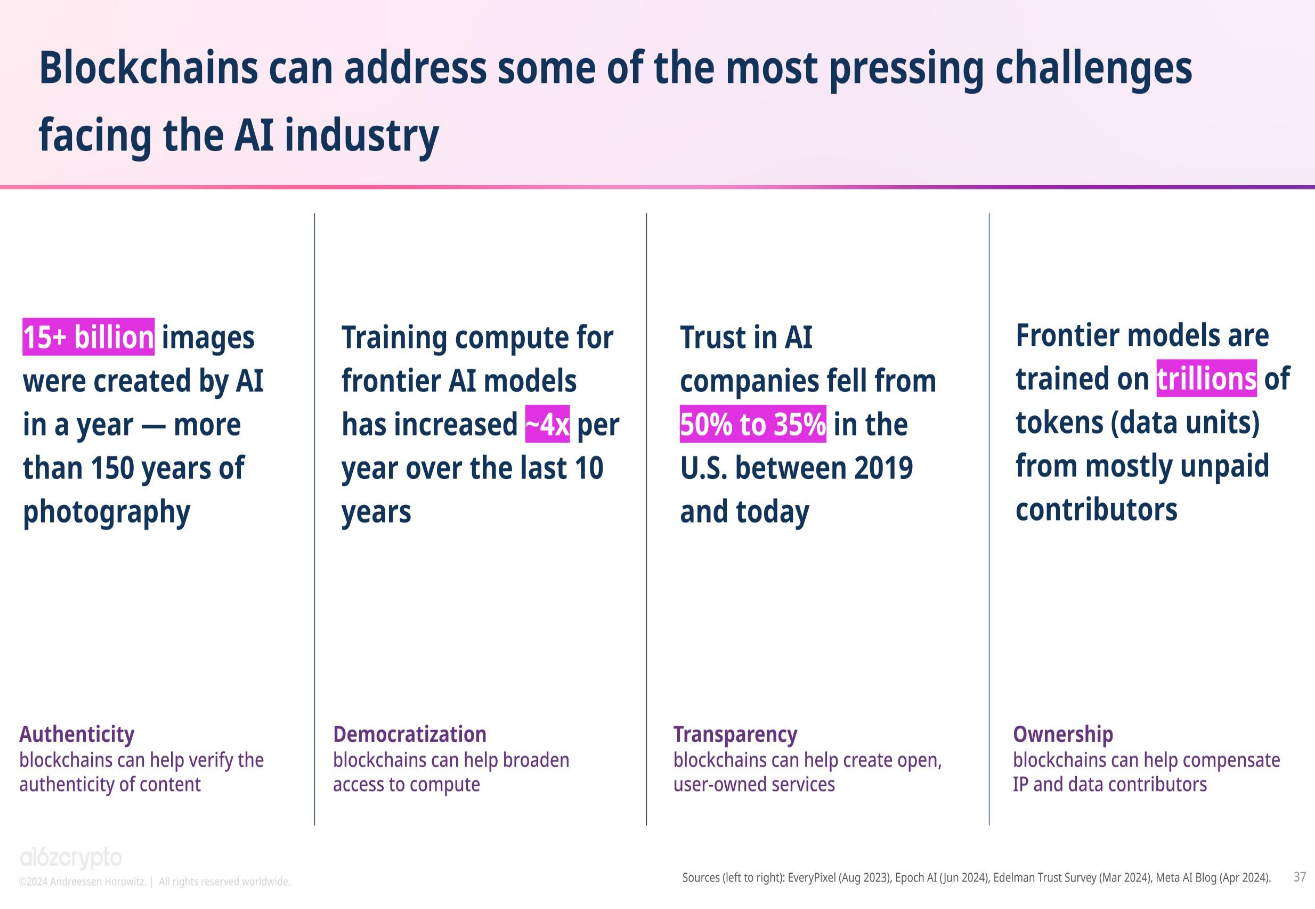
In the coming years, the intersection of crypto and AI may strengthen further.
7. More scalable infrastructure unlocks new on-chain applications
As transaction costs decrease and blockchain capacity increases, many other potential crypto consumer applications become feasible.
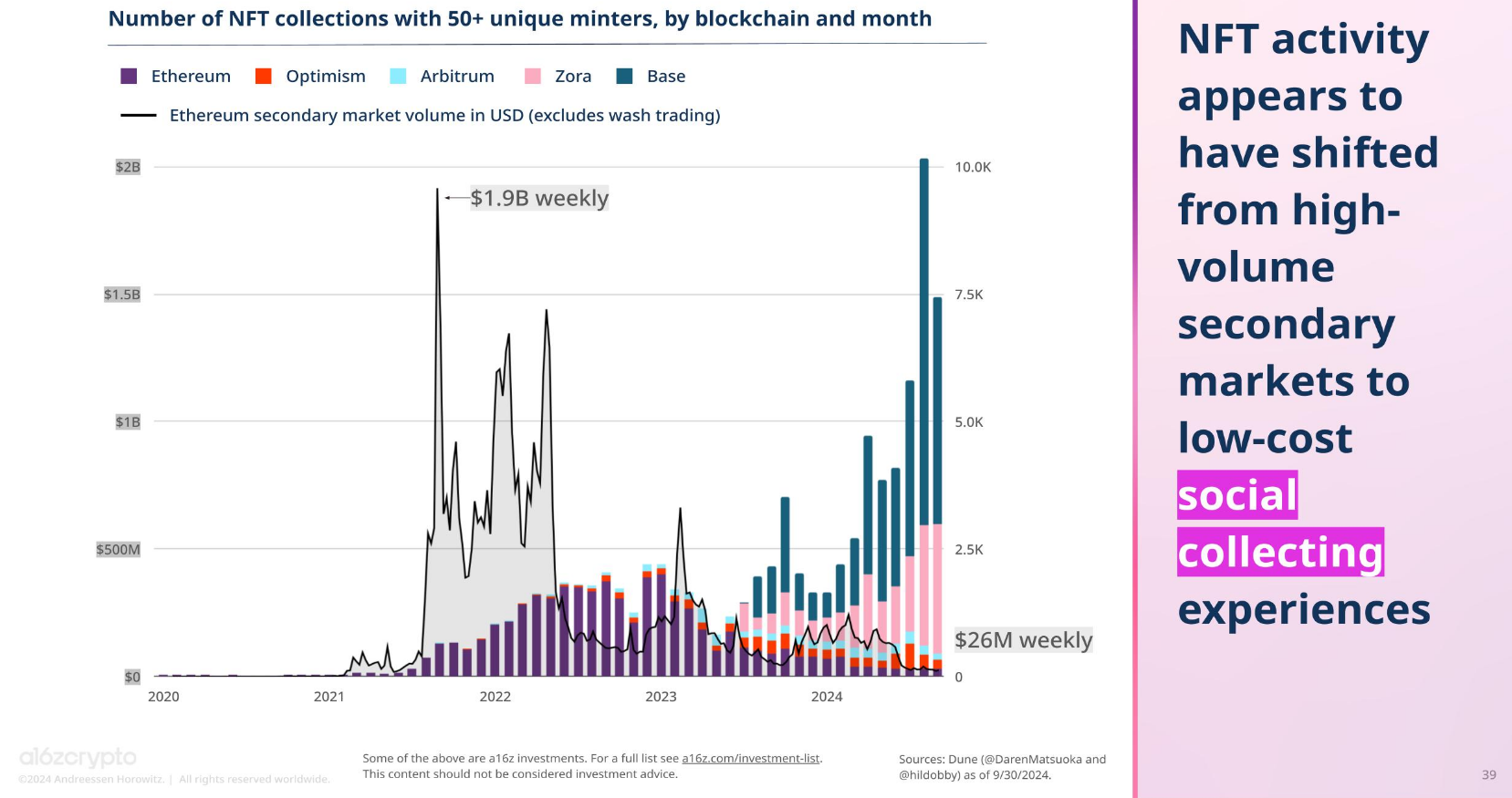
Take NFTs as an example; a few years ago, when crypto transaction costs were high, people traded NFTs on secondary markets for billions of dollars. However, this activity subsequently waned, replaced by a new consumer behavior: minting low-cost NFT collections on social applications like Zora and Rodeo. This marks a significant shift in the NFT market, which was nearly unimaginable before transaction fees were drastically reduced.
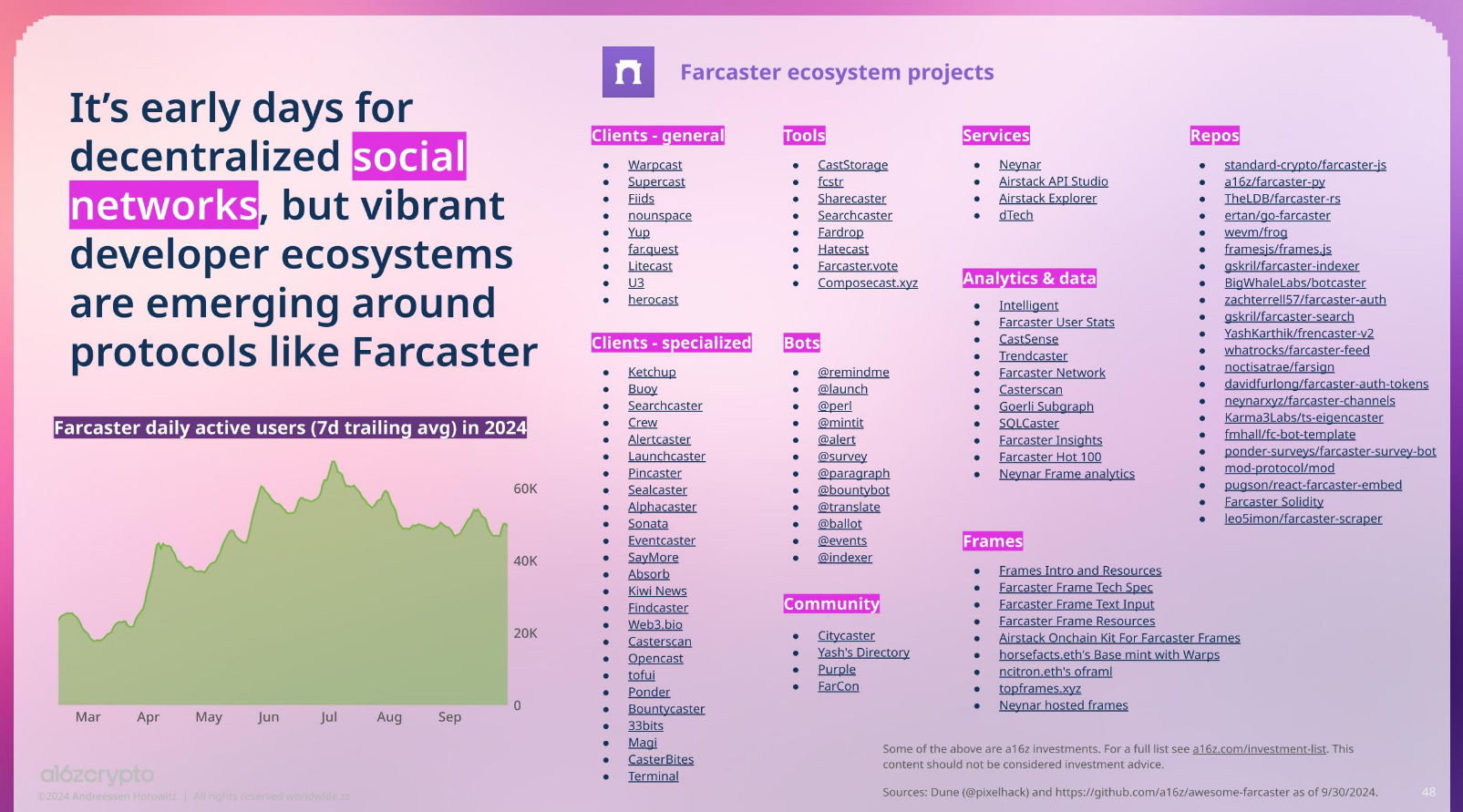
Social networks are another example; although they currently account for only a small portion of daily on-chain activity, they are attracting strong builder activity: according to our Builder Energy dashboard, 10.3% of crypto projects in 2024 are social-related. In fact, projects related to social networks, such as those associated with Farcaster, are among the top five hot subcategories this year.
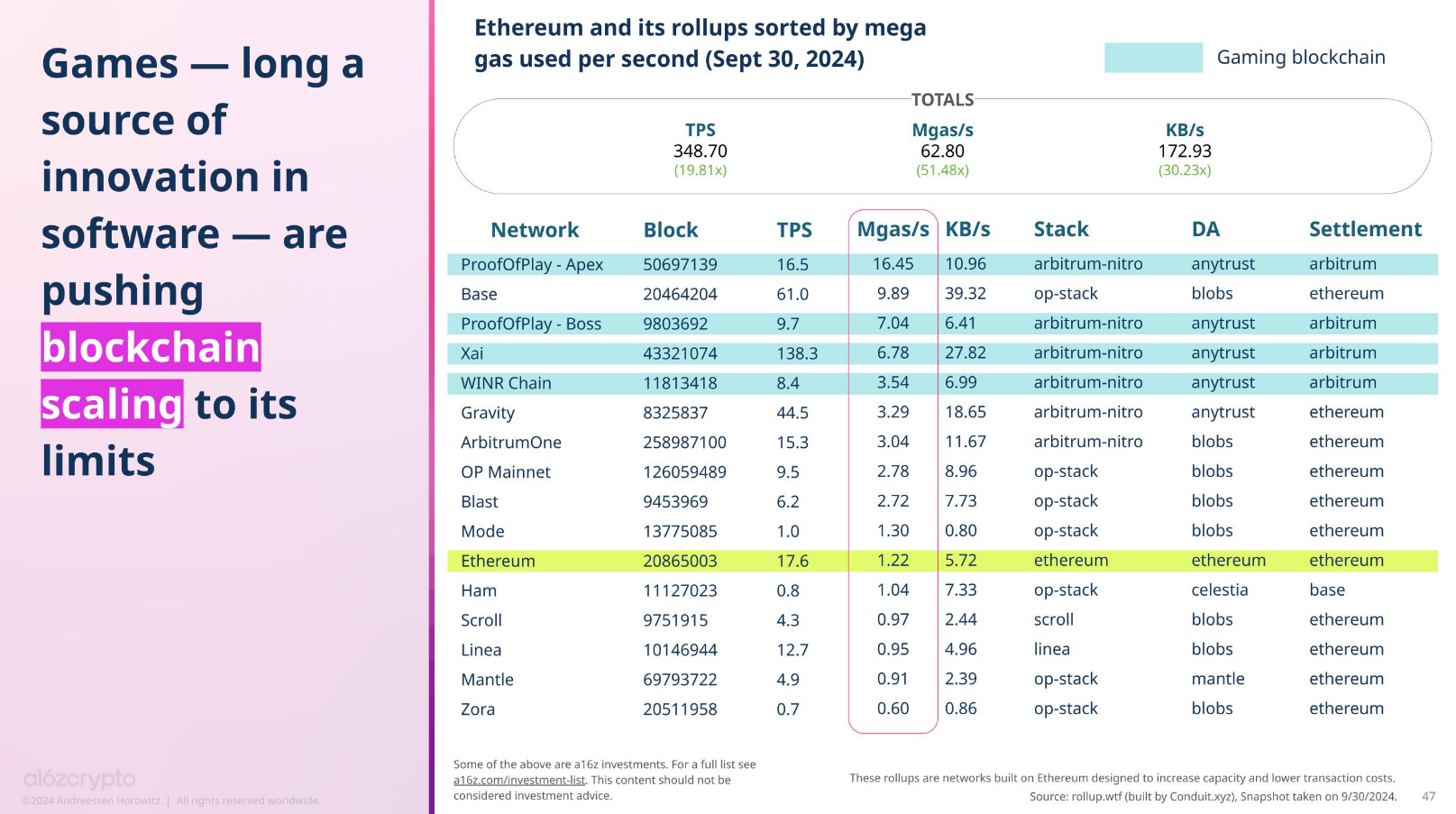
As builders and consumers explore more social experiences, on-chain gaming is pushing the scalability of blockchain to its limits. Games like Proof Of Play's high-seas adventure RPG "Pirate Nation" utilize Rollups, which have historically consumed the most gas per second on Ethereum.
With the November elections approaching, crypto-based prediction markets are experiencing a surge—despite being illegal in the U.S.—and overall momentum is steadily increasing. So much so that the non-crypto prediction market Kalshi won a lower court victory last month and is advancing a federal lawsuit regarding listed election contracts. (Currently, registered trading platforms can offer traditional futures contracts based on elections.)
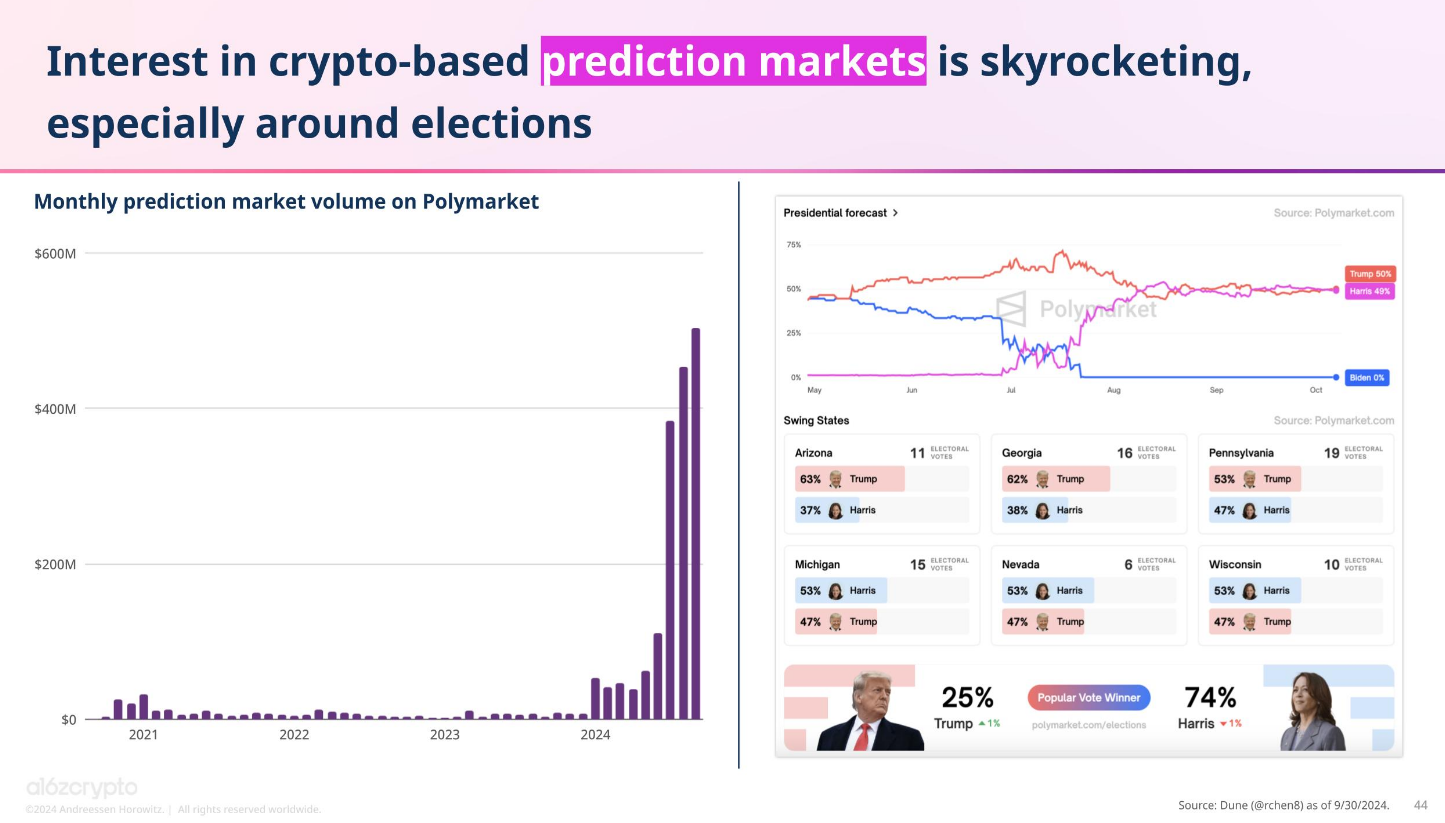
Signs of new consumer behavior are beginning to emerge. All these emerging experiences were difficult to achieve when blockchain infrastructure was cumbersome and transaction costs were high. With ongoing improvements in blockchain's price-performance curve, more such applications are expected to thrive.
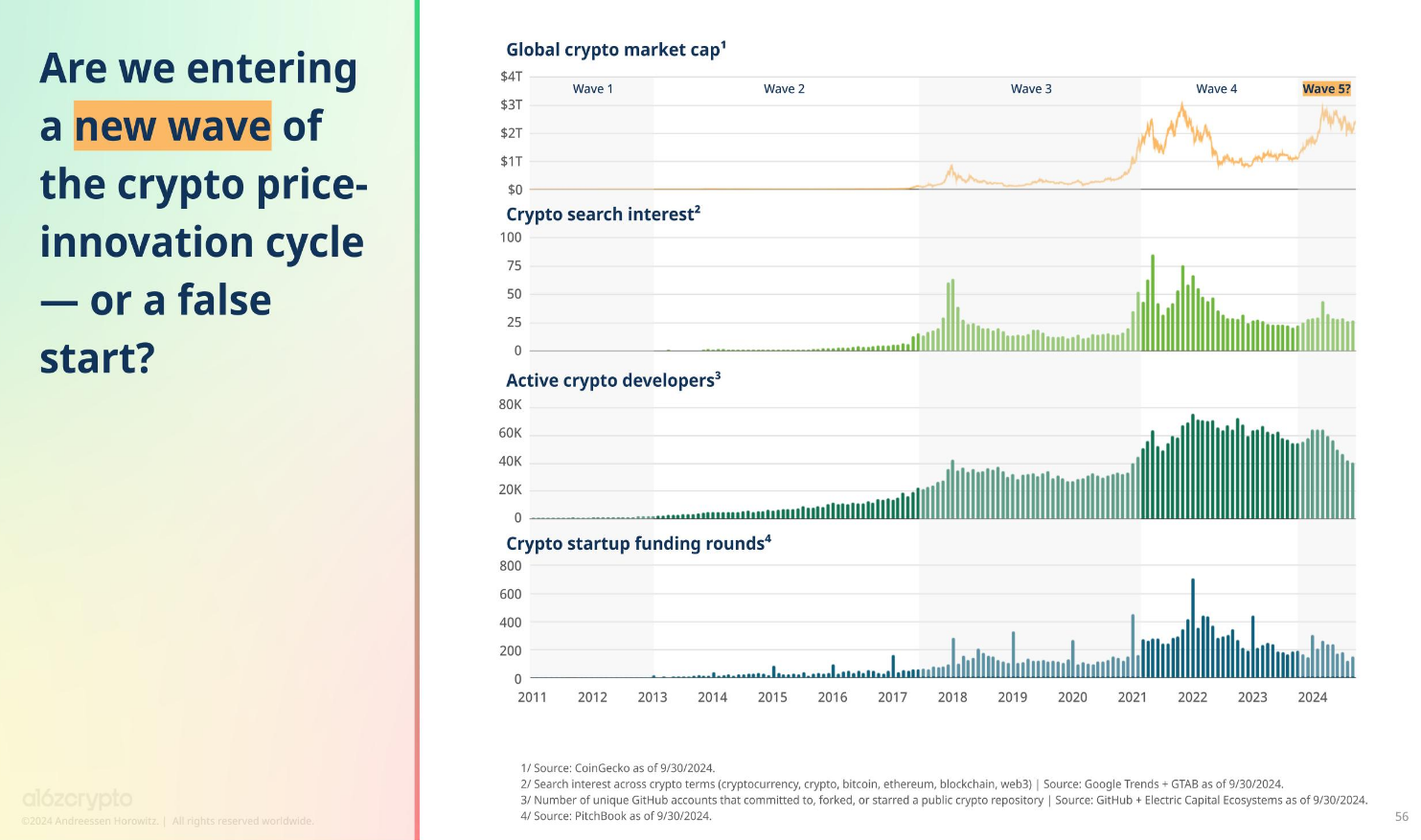
Where does this leave us? In the past year, cryptocurrency has made significant progress in policy, technology, consumer adoption, and more. There have been milestone advancements in policy, including the sudden approval and listing of Bitcoin and Ethereum ETPs, as well as the passage of important bipartisan crypto legislation. Significant improvements have also been made in infrastructure, from scaling upgrades to the rise of Ethereum L2 and other high-throughput blockchains. Additionally, new applications are emerging, from the growth of mainstream products like stablecoins to explorations in new fields such as AI, social networks, and gaming.
Have we entered the fifth wave of the price-innovation cycle—this framework for understanding the multiple cycles of volatility in the crypto market? That remains to be seen. Regardless, as an industry, cryptocurrency has undeniably made progress over the past year. As ChatGPT has demonstrated, a single breakthrough product can change an entire industry.
Article link: https://www.hellobtc.com/kp/du/10/5483.html
Source: https://a16zcrypto.com/posts/article/state-of-crypto-report-2024/
免责声明:本文章仅代表作者个人观点,不代表本平台的立场和观点。本文章仅供信息分享,不构成对任何人的任何投资建议。用户与作者之间的任何争议,与本平台无关。如网页中刊载的文章或图片涉及侵权,请提供相关的权利证明和身份证明发送邮件到support@aicoin.com,本平台相关工作人员将会进行核查。


