How to choose promising meme coins based on TVL changes?

CN
1 year ago

Memecoin TVL Boost Theory holds that major memecoins or a basket of major memecoins will serve as leveraged bets on on-chain TVL.

Author: CHARLES

Translation: DeepTechFlow

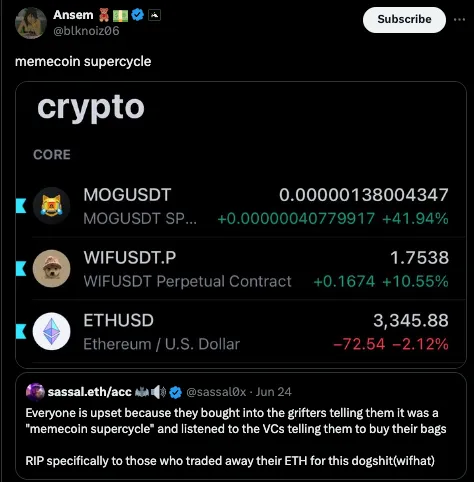
This period has been dubbed the "memecoin period" by some, and some even call it the "memecoin supercycle." We have seen new memecoins like WIF skyrocket from zero to tens of billions of dollars in market value within a few months. We have also seen various products built around the memecoin phenomenon, such as the launch of pump.fun. Whether you like it or not, memecoins cannot be ignored.

Most active cryptocurrency participants deeply feel that memecoins have performed exceptionally well in this period, outperforming all other sectors by far. When we hear stories of traders making multiple returns through memecoins, the question always arises: "How did they identify that particular memecoin?" Of course, survivorship bias plays a role, but are there other factors at play?

In general, at HFAResearch, we focus on fundamental ideas from the perspectives of investment, trading, and mining. This makes it difficult for us to cover the memecoin sector—similar to NFTs, the investment logic of memecoins is often more ambiguous and relies more on the "atmosphere" and the memes themselves, making fundamental analysis more challenging. At least, this was our thinking before we discovered what we call the "Memecoin TVL Boost Theory."

The Memecoin TVL Boost Theory holds that major memecoins or a basket of major memecoins will serve as leveraged bets on on-chain TVL. Before we list various examples from the past, let's first understand why this makes sense.

We know that as on-chain TVL increases, a certain proportion of funds will flow into certain applications or "destinations" on that chain… for example, X% will enter the currency market, and Y% will flow into major decentralized exchanges (DEXs), and so on. Therefore, it is reasonable to assume that a small portion of funds will want to find the highest beta way to bet on that chain. How do they do it? By purchasing major memecoins or a basket of major memecoins. Perhaps this is obvious to some of you, but we believe it provides a valuable and potentially risk-reducing way to participate in memecoins, as it offers some "fundamental" methods to evaluate the future performance of memecoins (whether they rise or fall).

Let's look at a few historical examples of this situation:

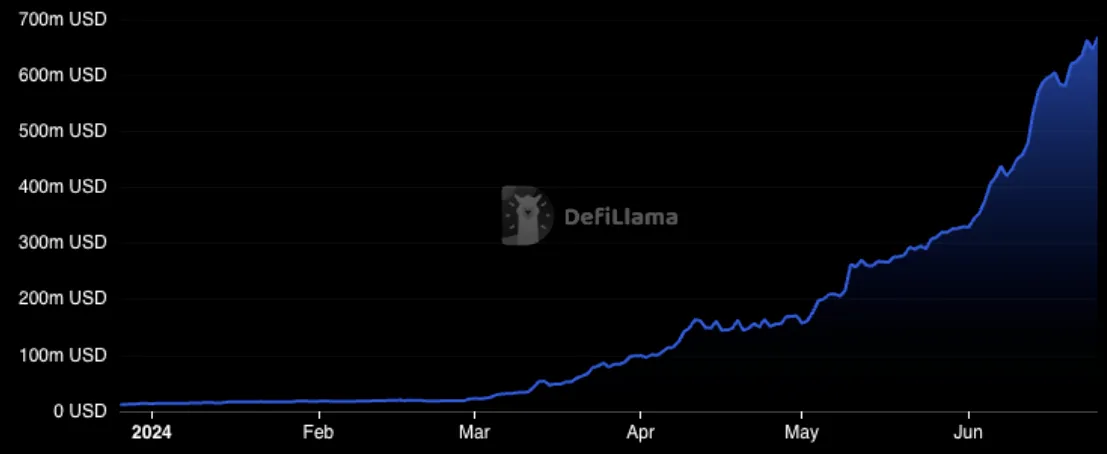
Base

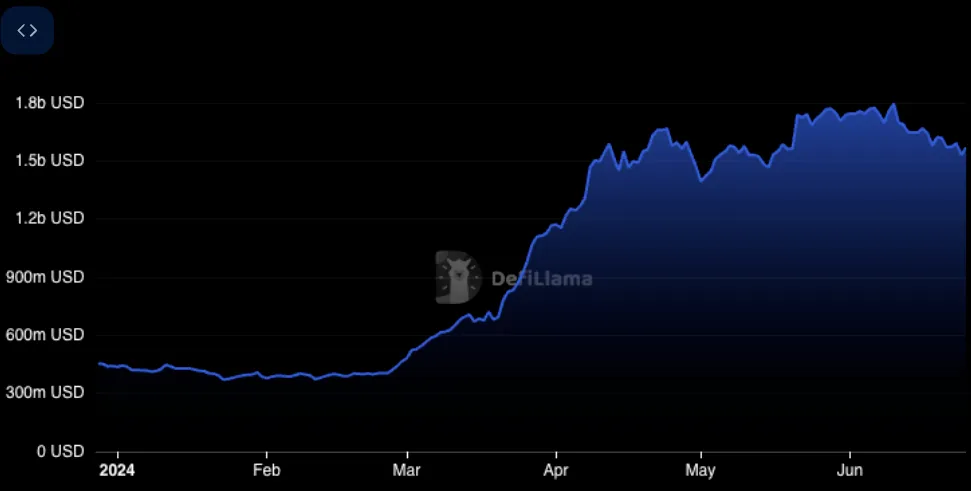
Base TVL

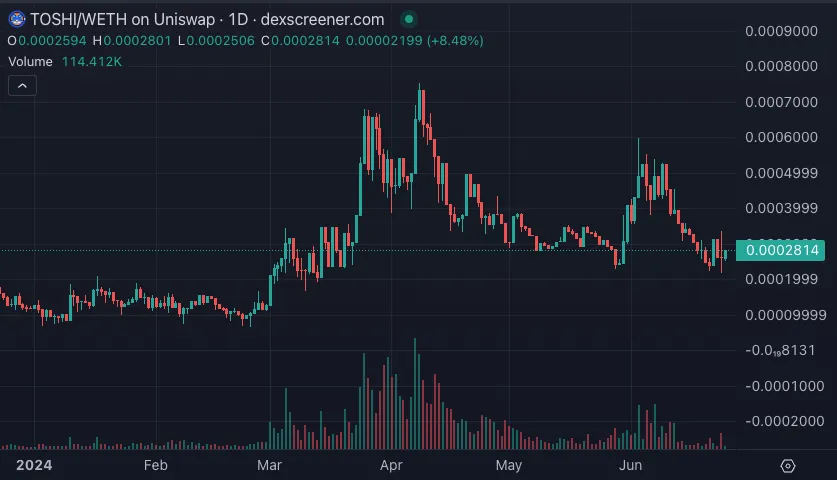
TOSHI's performance began to sync with the growth of Base TVL in March

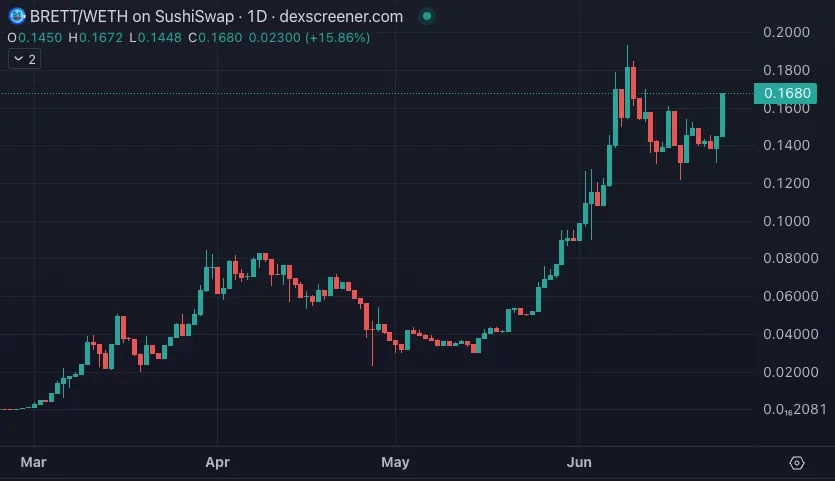
BRETT's two parabolic price increases occurred during the upward trend of Base TVL

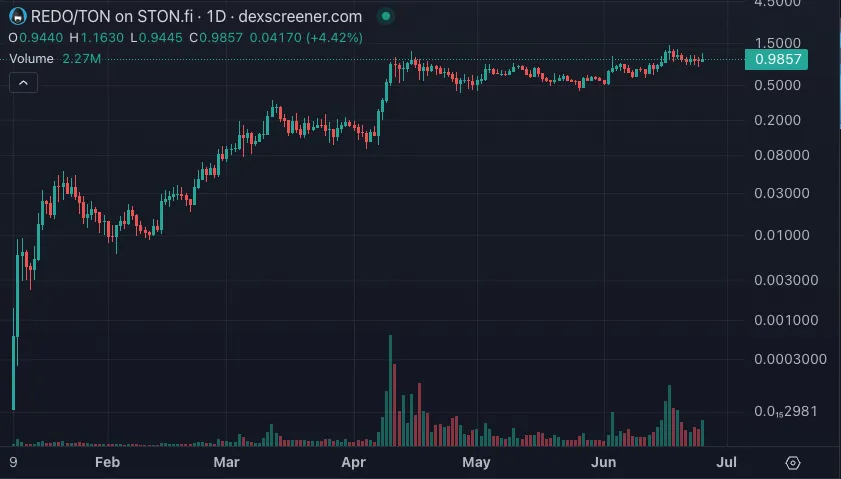
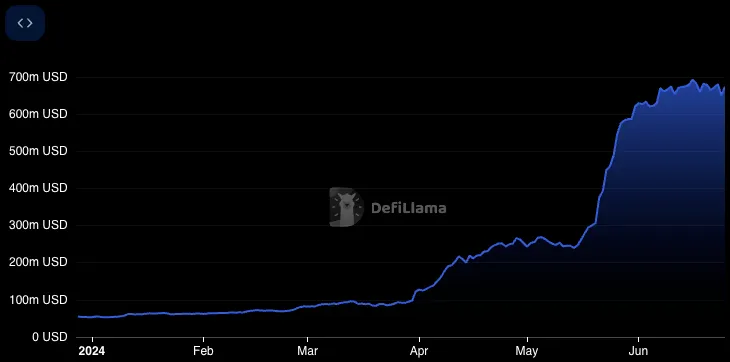
TON

TON TVL

REDO is the major memecoin on the TON network

The above examples clearly indicate: TVL inflow = performance of major memecoins. If the increase in TVL can be predicted, then holding major memecoins on that chain can serve as a leveraged bet on TVL predictions.

Critics of this strategy may argue that it reduces returns because it requires knowing which is the most important memecoin in order to determine the flow of TVL. This criticism is valid, as this strategy certainly does not allow for targeting a memecoin at a market value of $100,000 and causing it to rise 1,000 times to $100 million, but it can be very effective in finding slightly larger, slightly more mature memecoins and causing them to rise from there. For example, from late February to early April, Base experienced a parabolic run of TVL, and Toshi's market value rose from $40 million to over $300 million in less than two months, with almost no lackluster returns.

Predicting TVL growth can be divided into two categories: long-term and short-term. Long-term predictions actually involve predicting the flow of TVL over several months. We might point out that Base sees Coinbase as a funnel for retail users to come online, which is why TVL growth will remain stable. We can look at the almost incestuous relationship between TON and Telegram to understand the impact of all 900 million monthly active Telegram users coming online on TVL. We might mention Solana and its outstanding chain user experience and mobile wallet, and use this as a reason to believe that TVL will also join in. You get my point; in the long run, to predict the growth of TVL over a longer time span, you must study the deeper distribution fundamentals on-chain. Then, you will study the major memecoins or memecoins on that chain and bet accordingly.

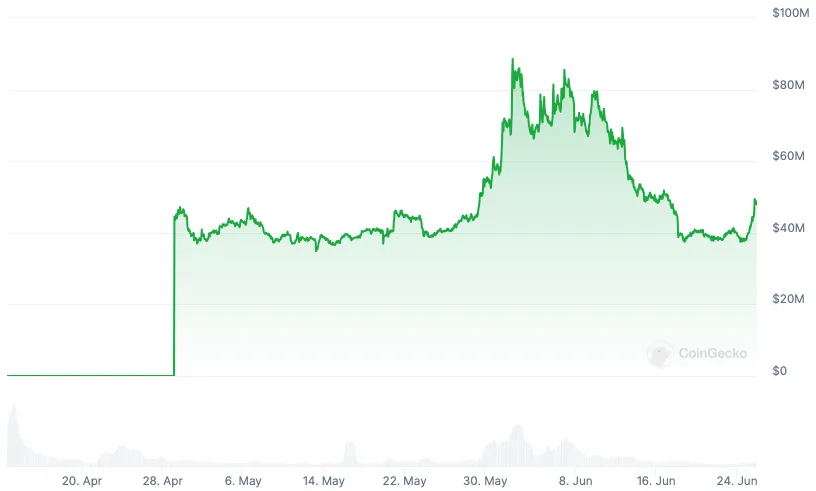
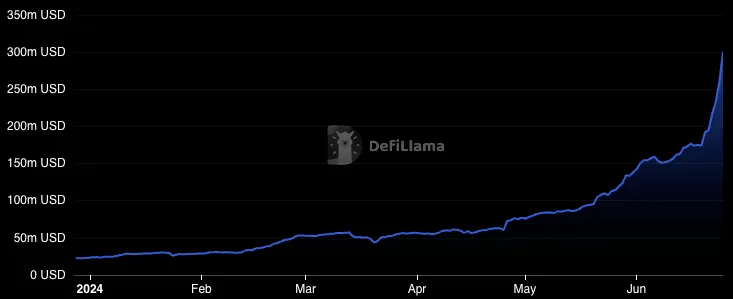
Short-term methods view incentives such as point systems or airdrops as reasons for TVL growth. For example, as a leading memecoin on Linea, $FOXY performed extremely well in the subsequent TVL inflow after announcing its surge in point system:

Linea TVL, Surge released in mid-May

$FOXY market value

Short-term methods require a more active focus on the market, and where capital may flow based on incentive programs. This is similar to the game some of us played in the previous cycle; entering the 2nd pool of the top DEX on a new chain to bet on the TVL growth brought by incentive programs.

A more specific example is Scroll. After introducing its latest point system, we have already seen its TVL exhibit explosive growth. Will Scroll become the next ideal target for short-term strategies?

We believe this approach provides a more systematic and lower-risk way to participate in the memecoin sector, but we are still relatively new to this field, so we would like to hear your feedback!

免责声明:本文章仅代表作者个人观点,不代表本平台的立场和观点。本文章仅供信息分享,不构成对任何人的任何投资建议。用户与作者之间的任何争议,与本平台无关。如网页中刊载的文章或图片涉及侵权,请提供相关的权利证明和身份证明发送邮件到support@aicoin.com,本平台相关工作人员将会进行核查。

Share To
APP

X

Telegram

Facebook

Reddit

CopyLink